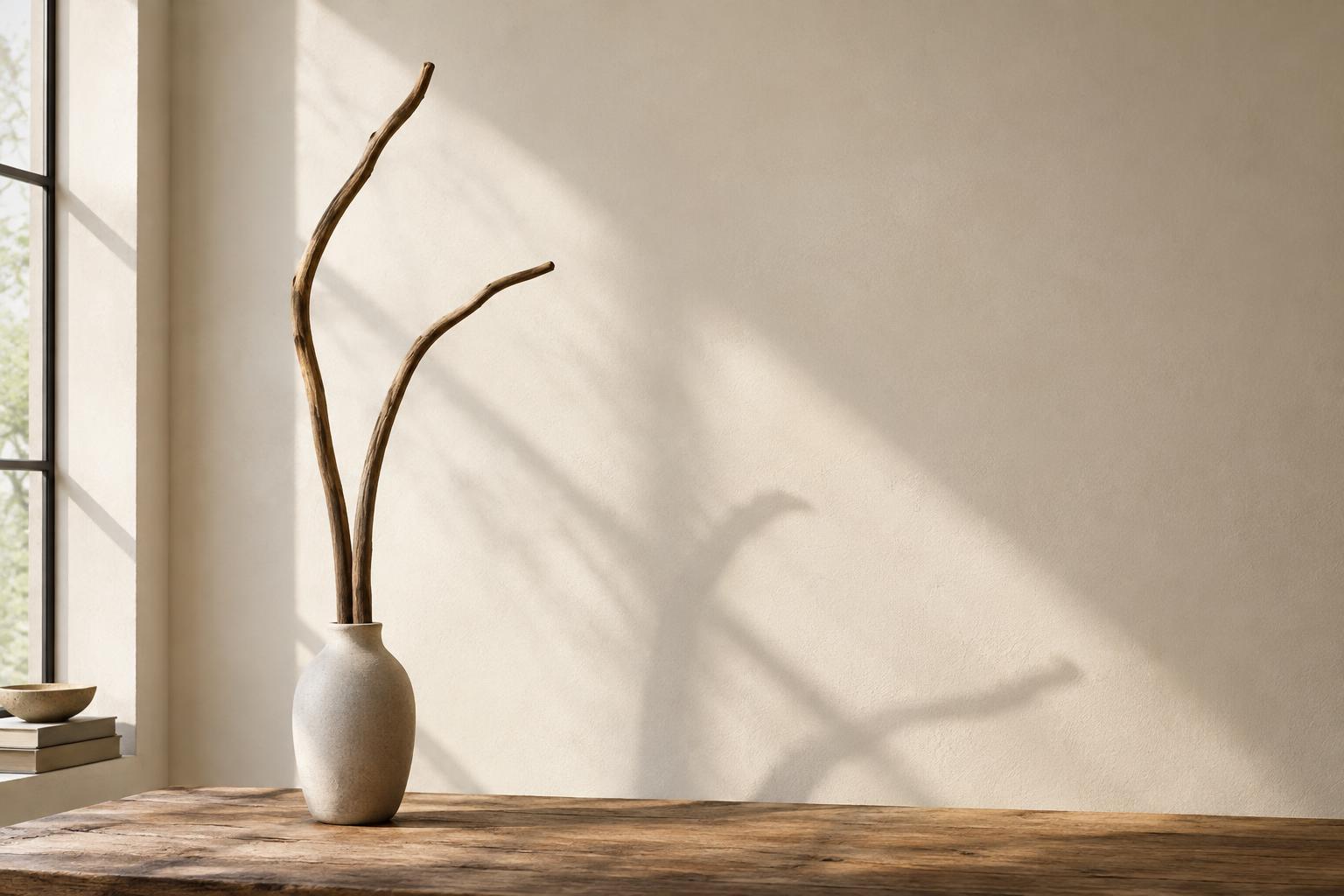
Visual ArtsThe spaces around and between subjects can be as important as the subjects themselves. Learn how to notice negative space in paintings, drawings, photographs, and sculpture, and try a simple exercise to see it more clearly.
Read article · 4 min↗
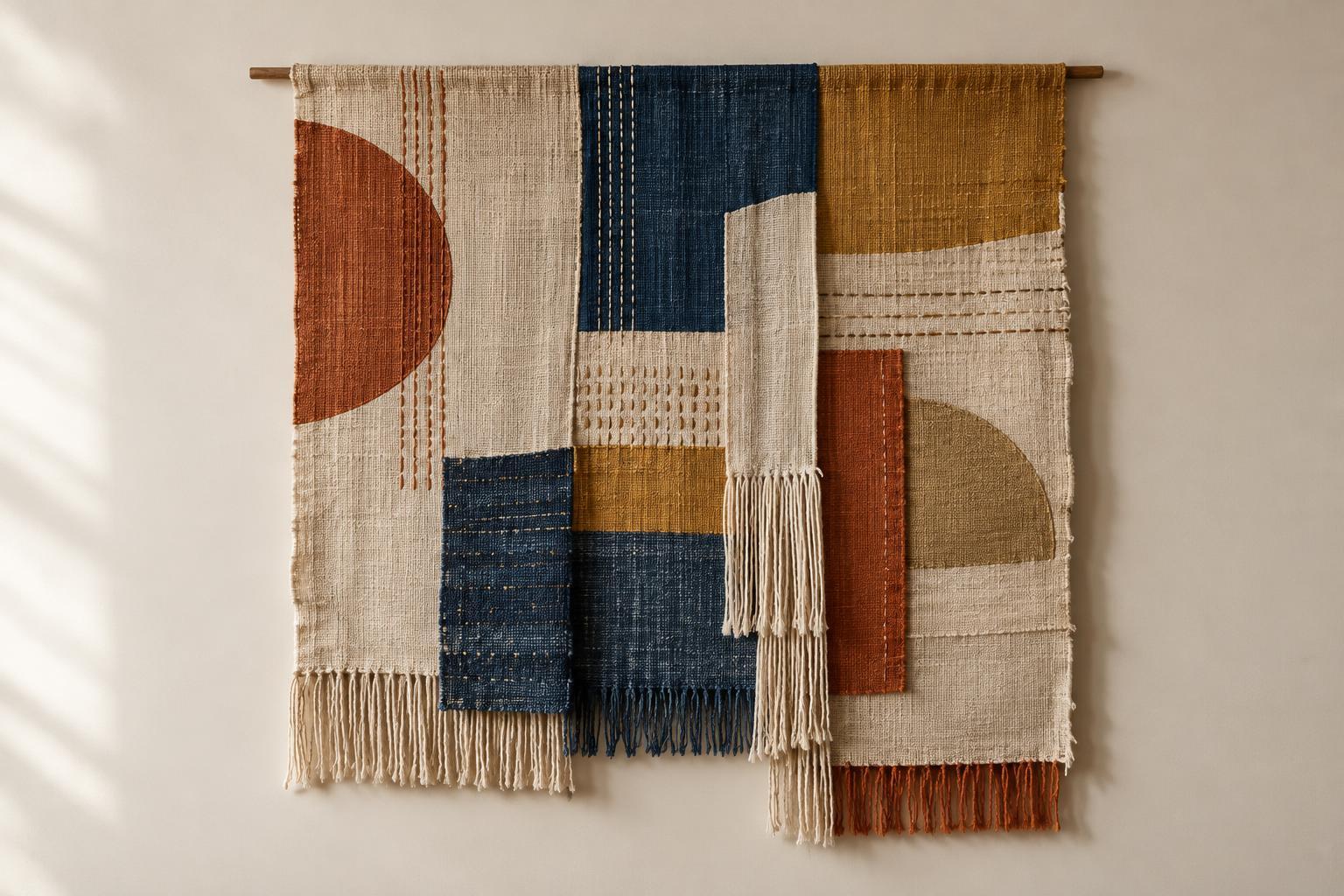
Visual ArtsTextile art uses thread, cloth, texture and structure to explore many of the same questions as painting and sculpture. Learning to look at its color, composition, materials and making can deepen the way we experience visual art.
Read article · 4 min↗
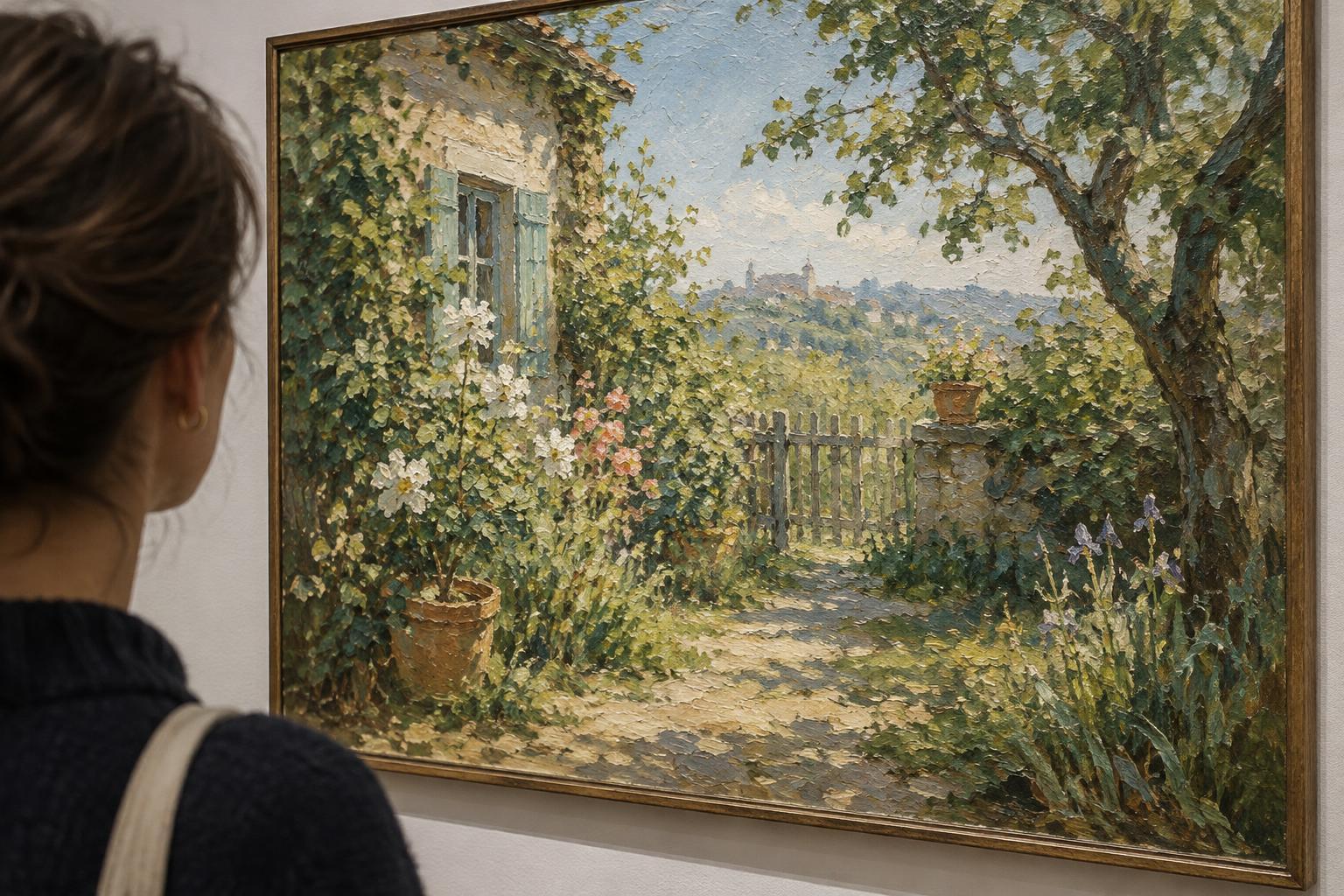
Visual ArtsBrushwork can reveal how a painting was built, where the artist directed attention, and how a surface creates its effects. Learn a simple way to look at marks, edges, texture and layers, whether you are viewing a painting in person or through a reproduction.
Read article · 4 min↗
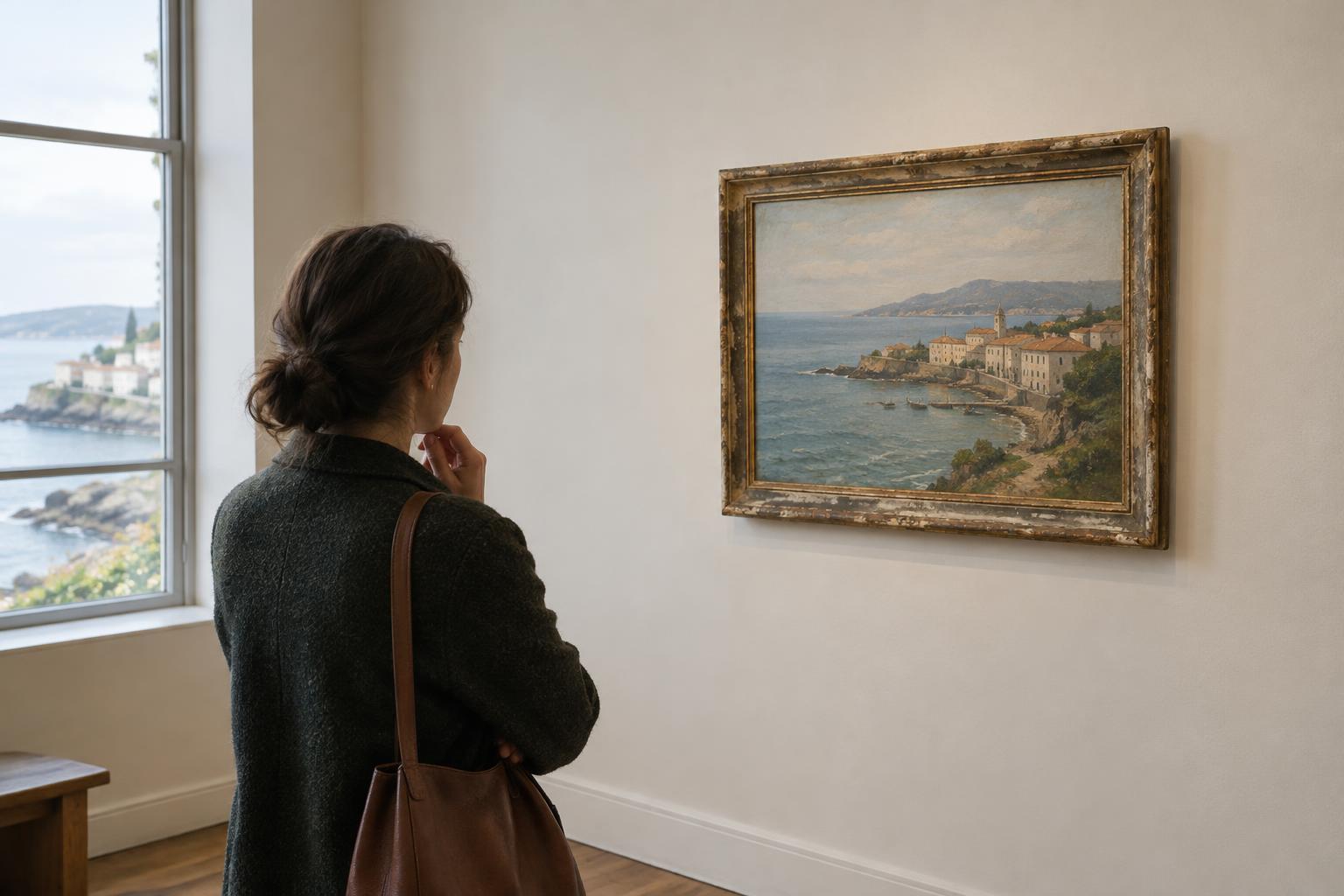
Visual ArtsAn artwork’s date and place are more than label details. They can help you notice choices of material, subject, scale and display that you might otherwise overlook. Learn how to use this context while leaving room for your own observations.
Read article · 4 min↗
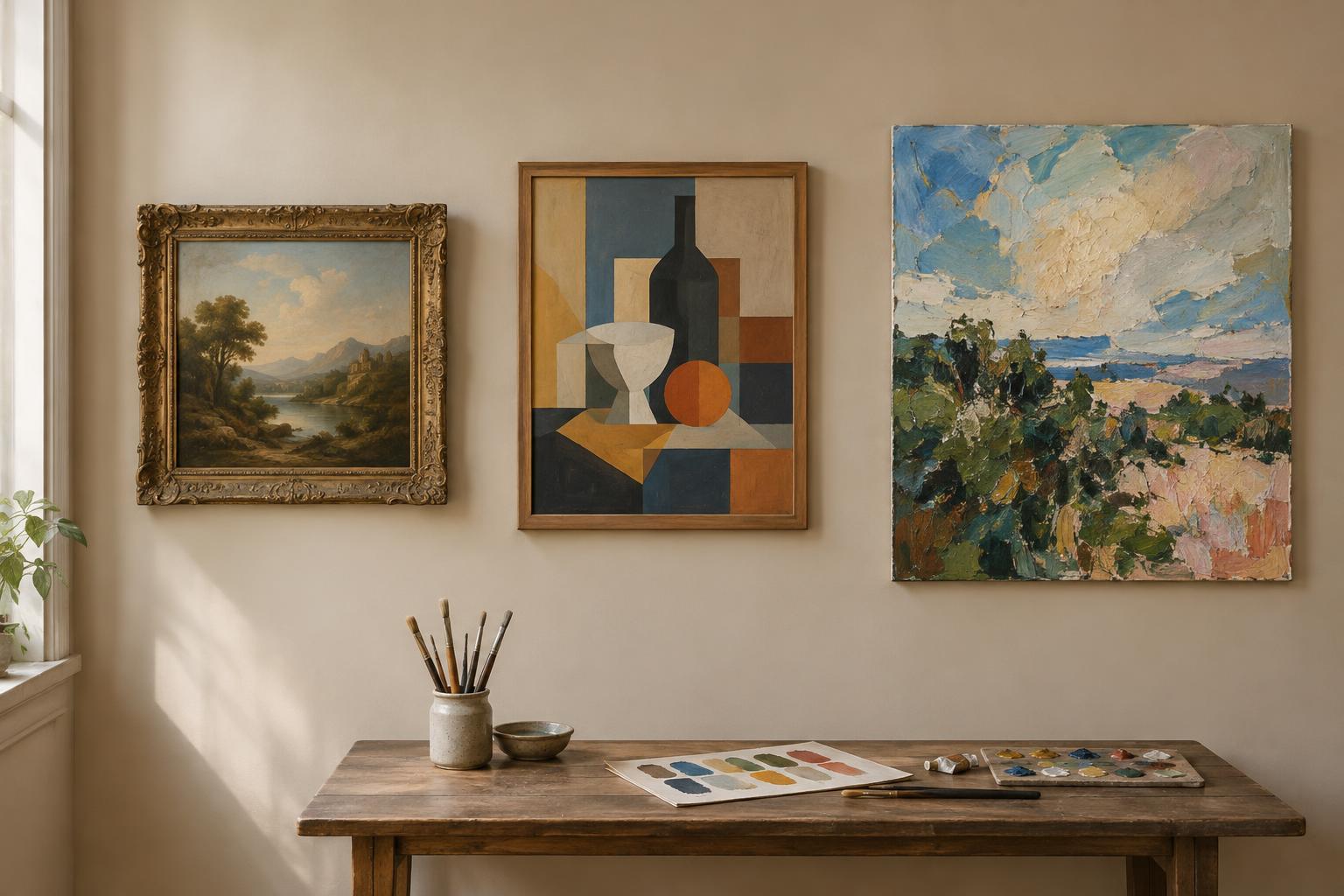
Visual ArtsA period places an artwork in time, a movement connects artists through shared ideas or practices, and a style describes how work looks or is made. Learn how to use each term when looking at art—and why the labels sometimes overlap.
Read article · 3 min↗
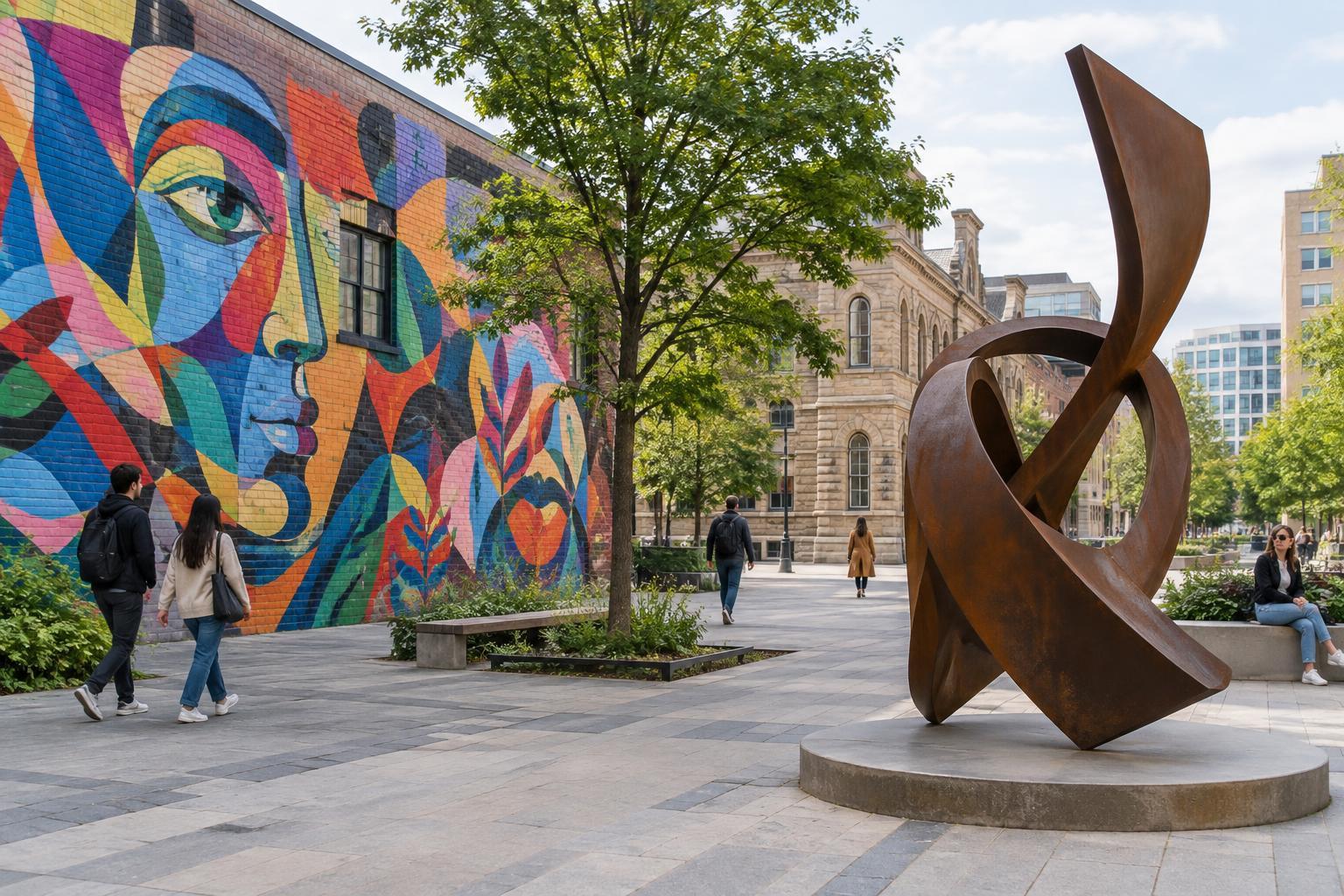
Visual ArtsA mural on a building and a sculpture in a square can both change how a place feels. Explore the overlapping worlds of public art and street art through location, permission, materials, audience and the experience of looking.
Read article · 4 min↗
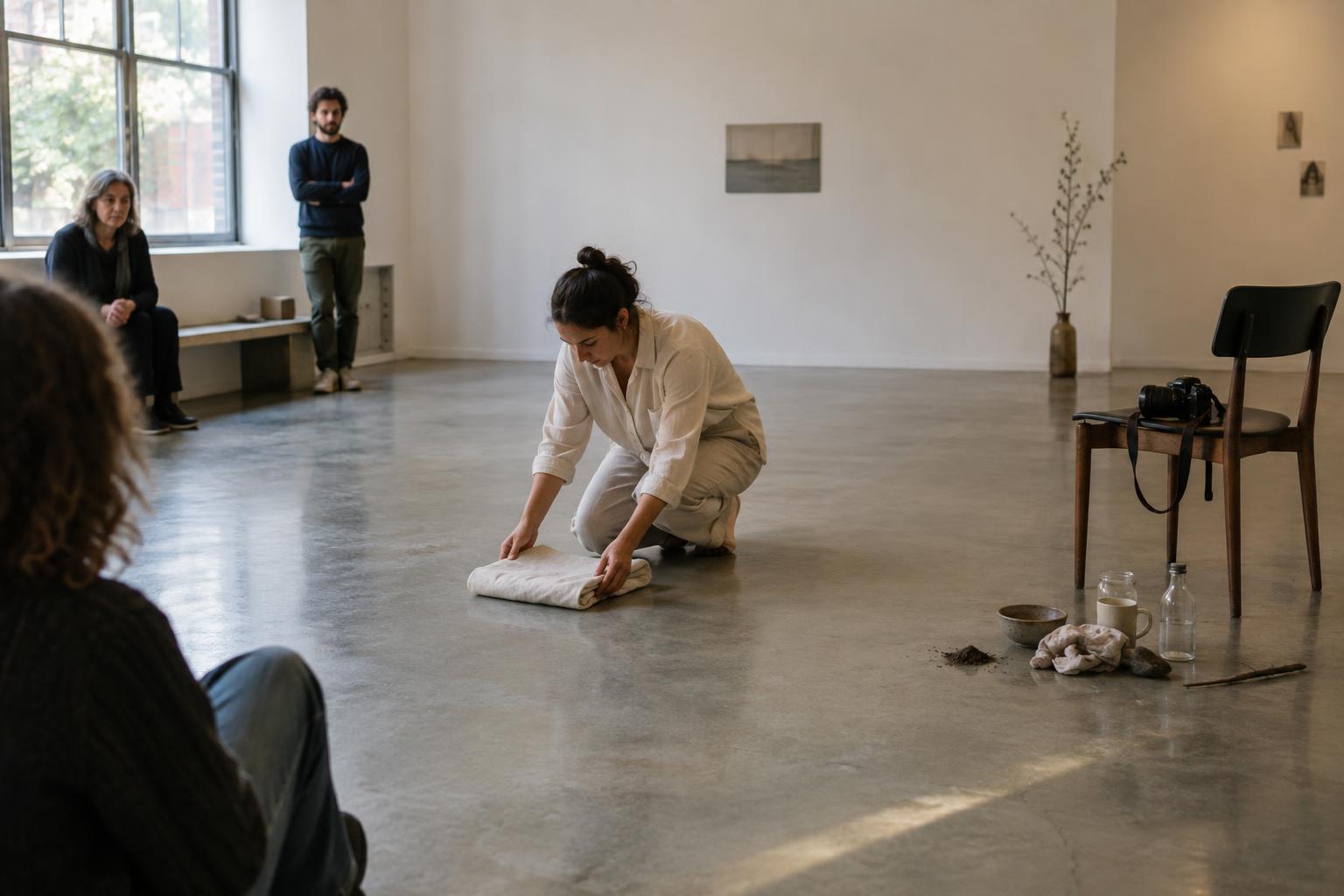
Visual ArtsPerformance art unfolds through actions, bodies, time and the presence of others. Learn how to approach a live work and how photographs, objects, memories and instructions can carry it forward after the event.
Read article · 4 min↗
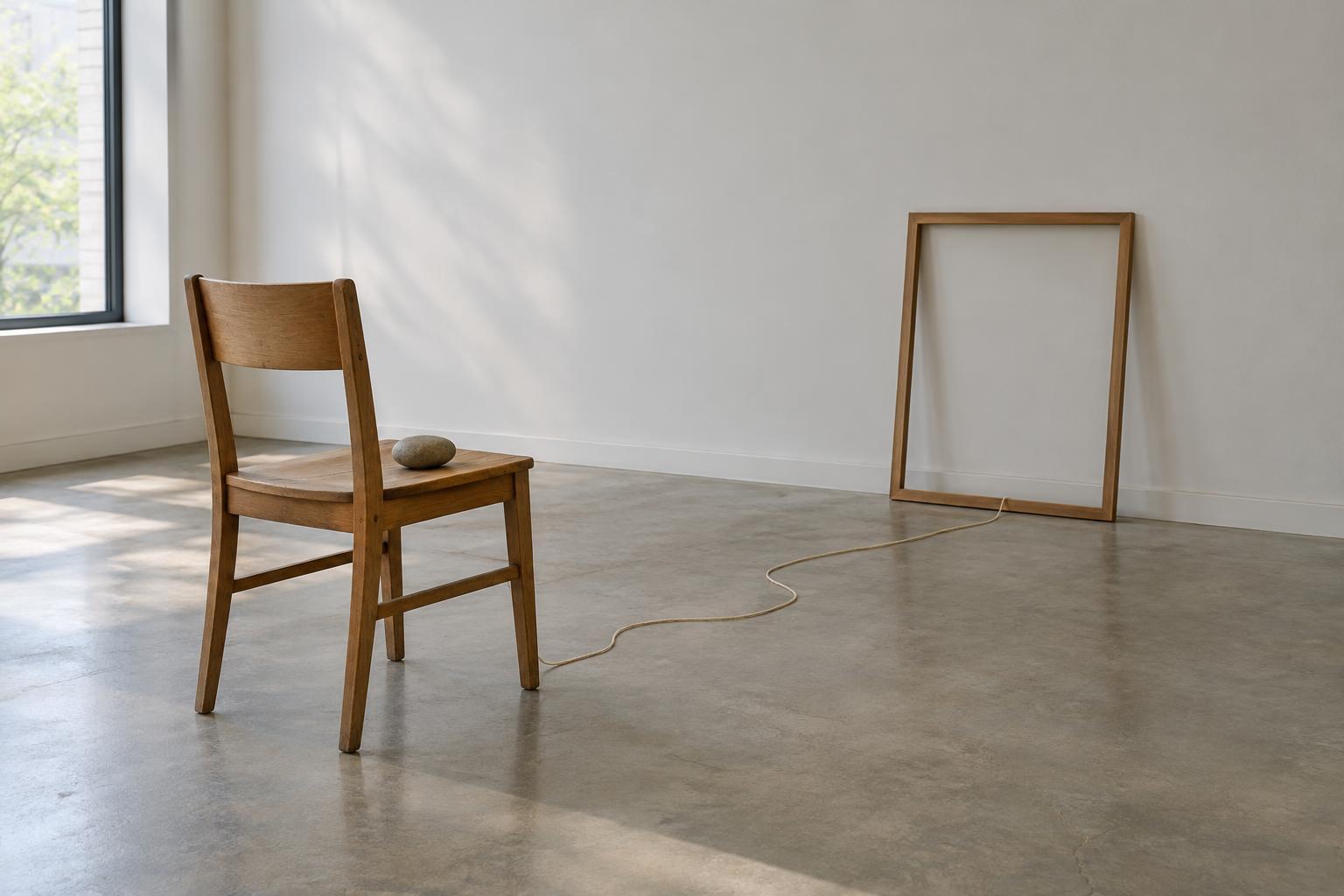
Visual ArtsConceptual art can be a question, an instruction, an arrangement of objects or a record of an action. This beginner’s guide explains how to look beyond appearance, use context without relying on it entirely and find a way into work that initially feels puzzling.
Read article · 4 min↗
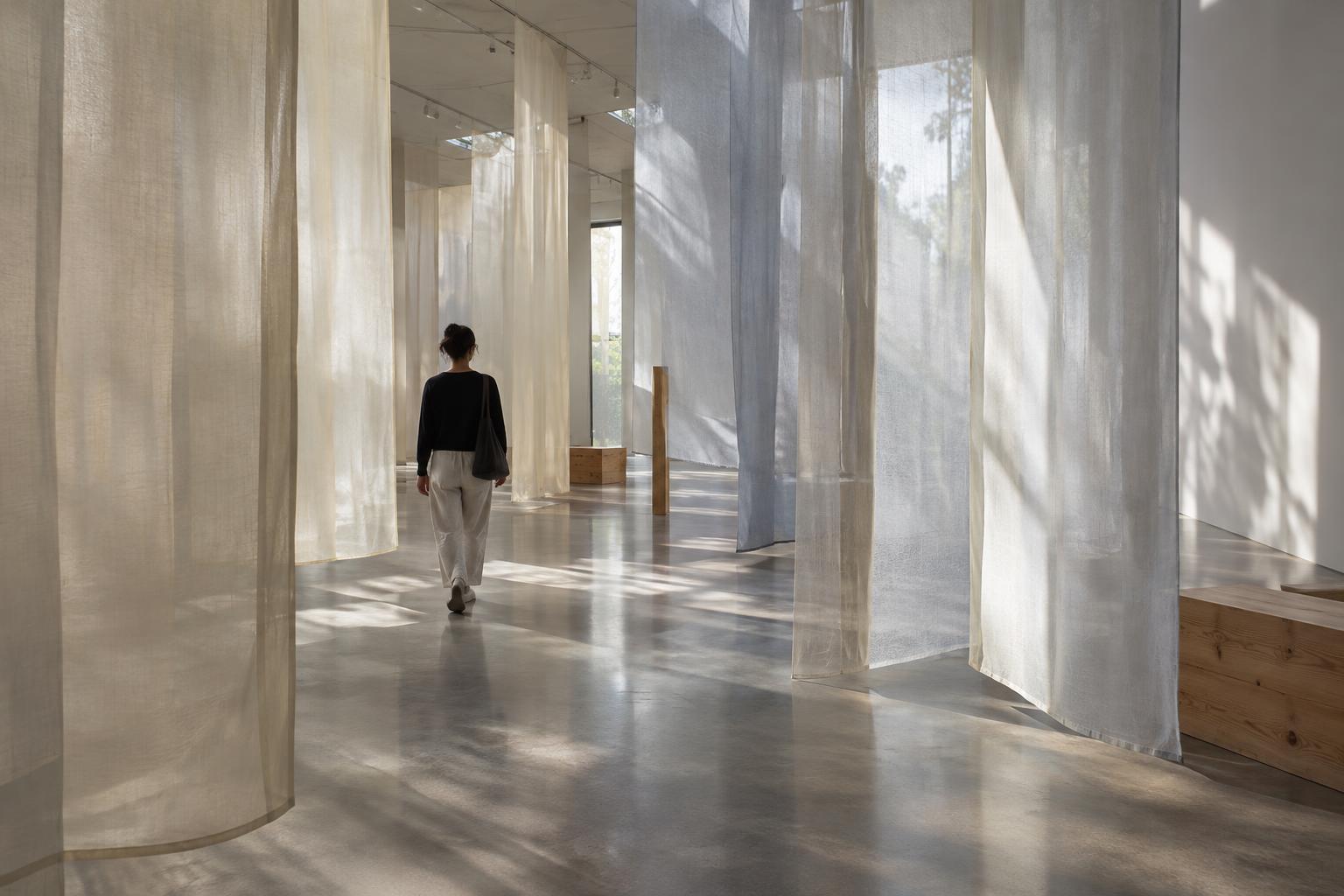
Visual ArtsInstallation art asks us to experience more than an object. Light, sound, materials and the way we move through a space can all shape the work. This guide explains how installations use their surroundings and offers simple ways to look more closely.
Read article · 4 min↗

Visual ArtsA photograph can be carefully arranged, made in response to an unfolding moment, or somewhere between the two. Learn how staged and documentary approaches shape composition, meaning and the way we look at images.
Read article · 4 min↗
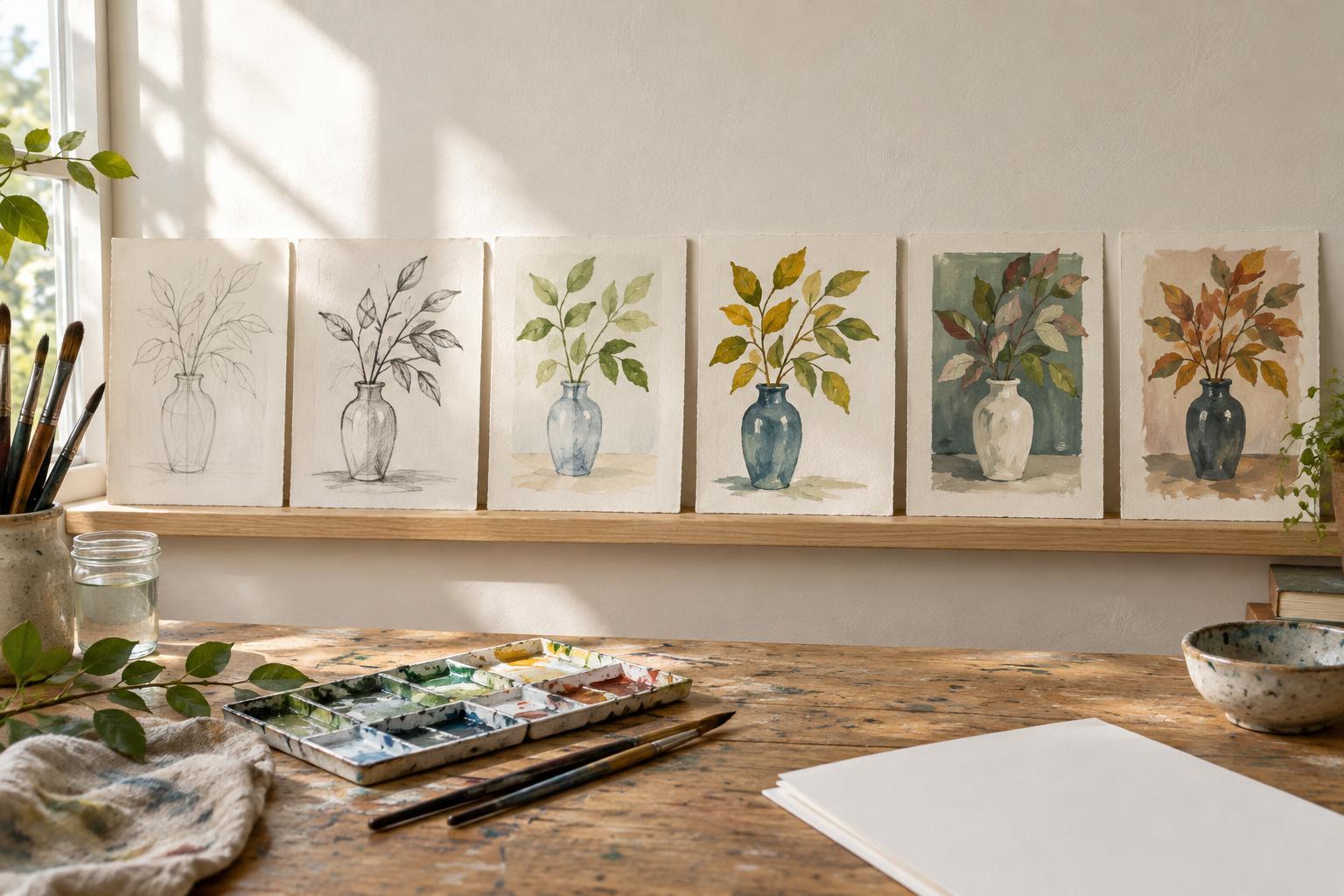
Visual ArtsA series gives artists room to test an idea, follow changes in a subject, and discover what repetition can reveal. Learn how related works can develop together and how to enjoy them as a viewer.
Read article · 3 min↗
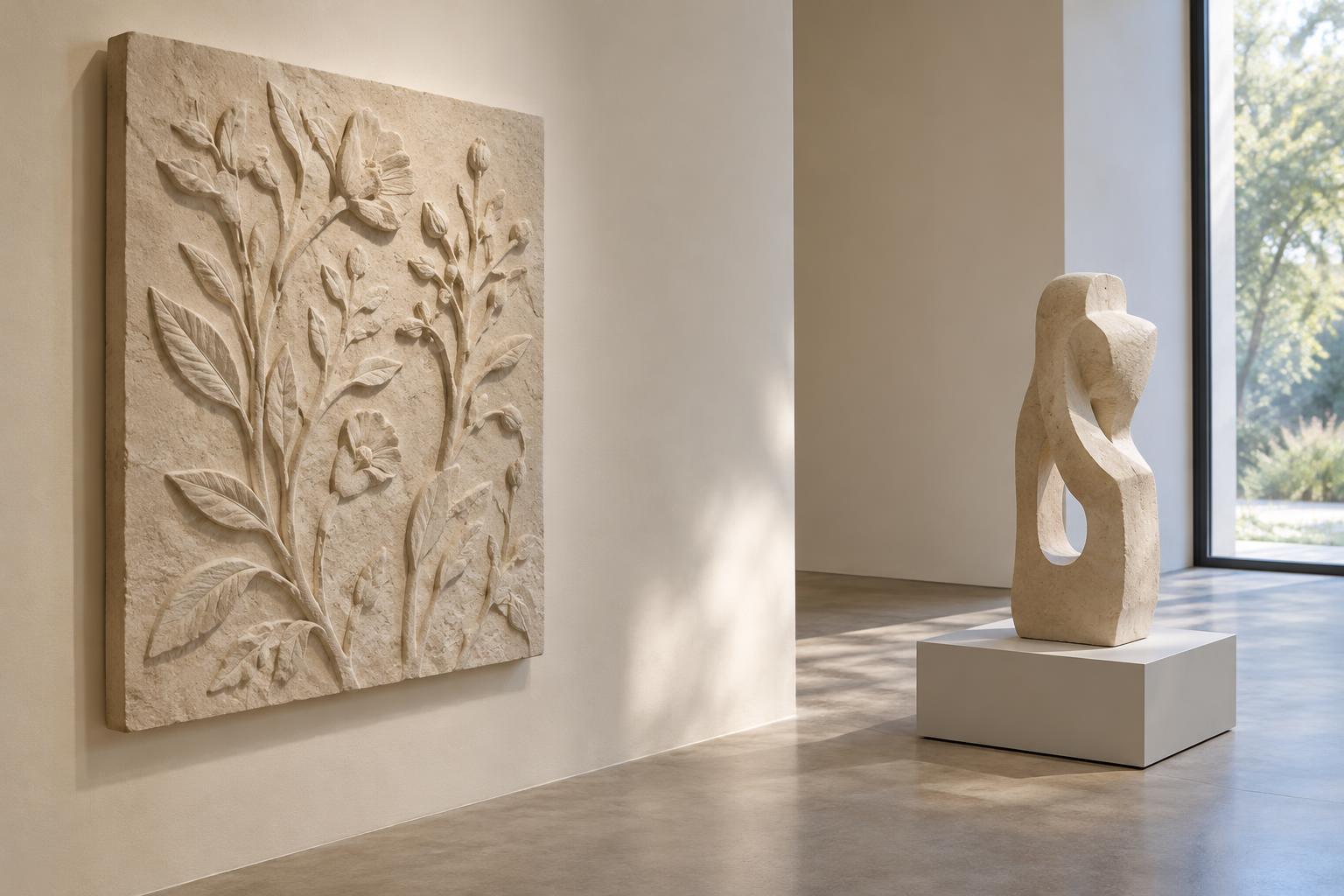
Visual ArtsA sculpture attached to a surface asks us to look differently from one we can walk around. Learn how viewpoint, light, space and movement shape the experience of relief and freestanding sculpture.
Read article · 4 min↗
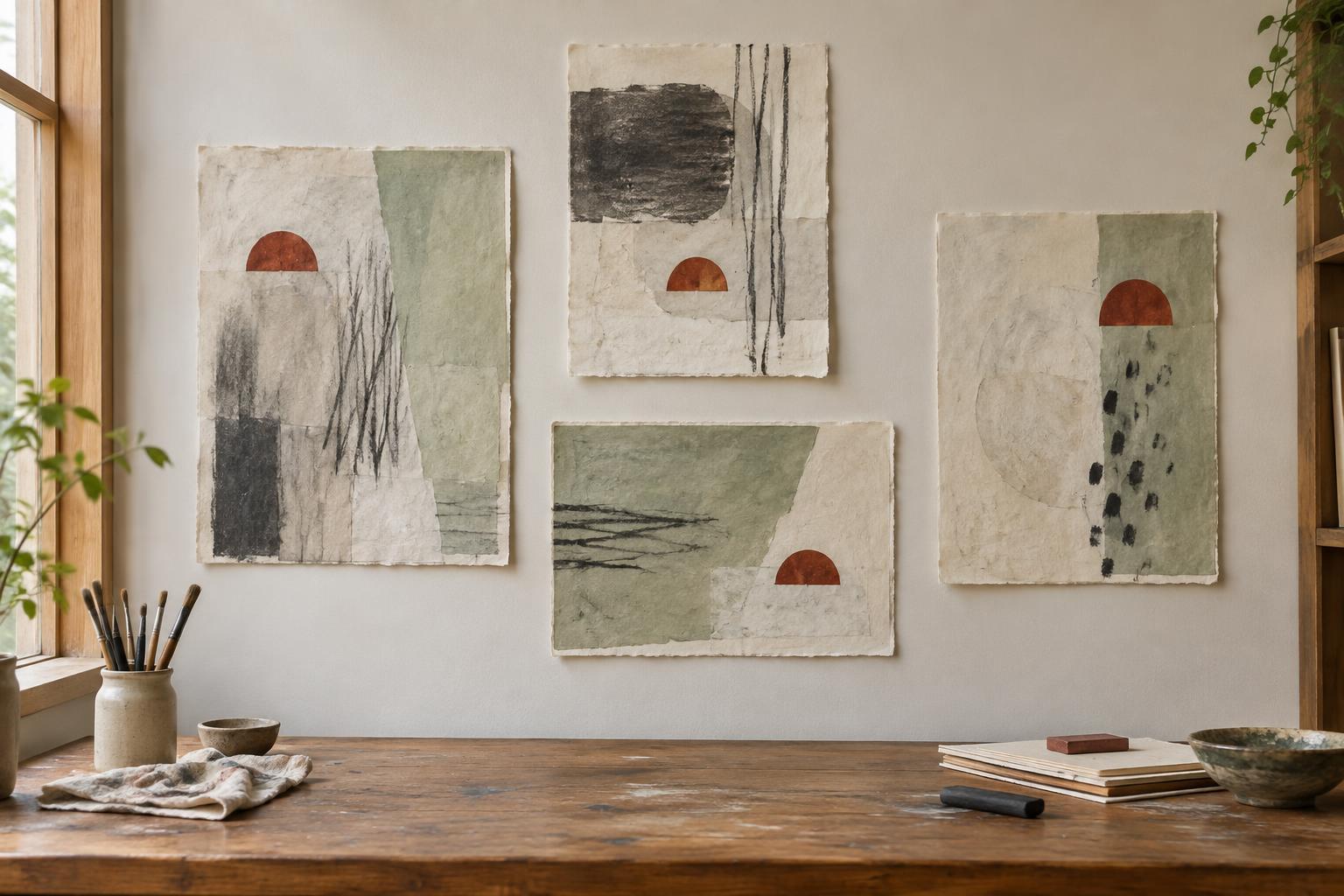
Visual ArtsA recurring shape, object, color relationship, or arrangement can give an artist’s work a recognizable thread. Learn what counts as a visual motif, how it differs from a subject or style, and how to notice one without assuming it always has a fixed meaning.
Read article · 4 min↗
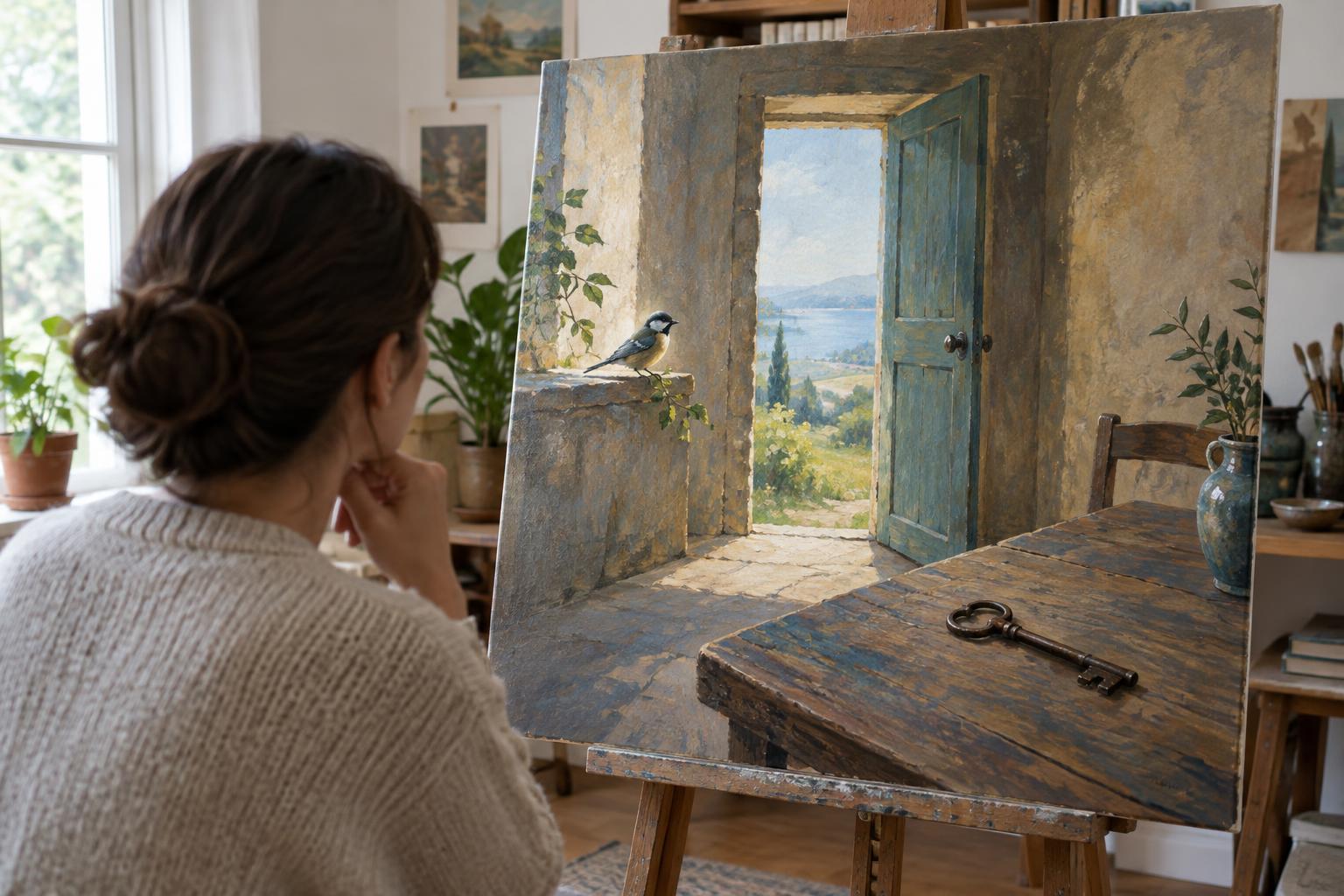
Visual ArtsA key, a bird, or an open door can suggest different things in different artworks. Learn how to look closely, use context, and explore possible meanings without treating any single interpretation as the answer.
Read article · 4 min↗
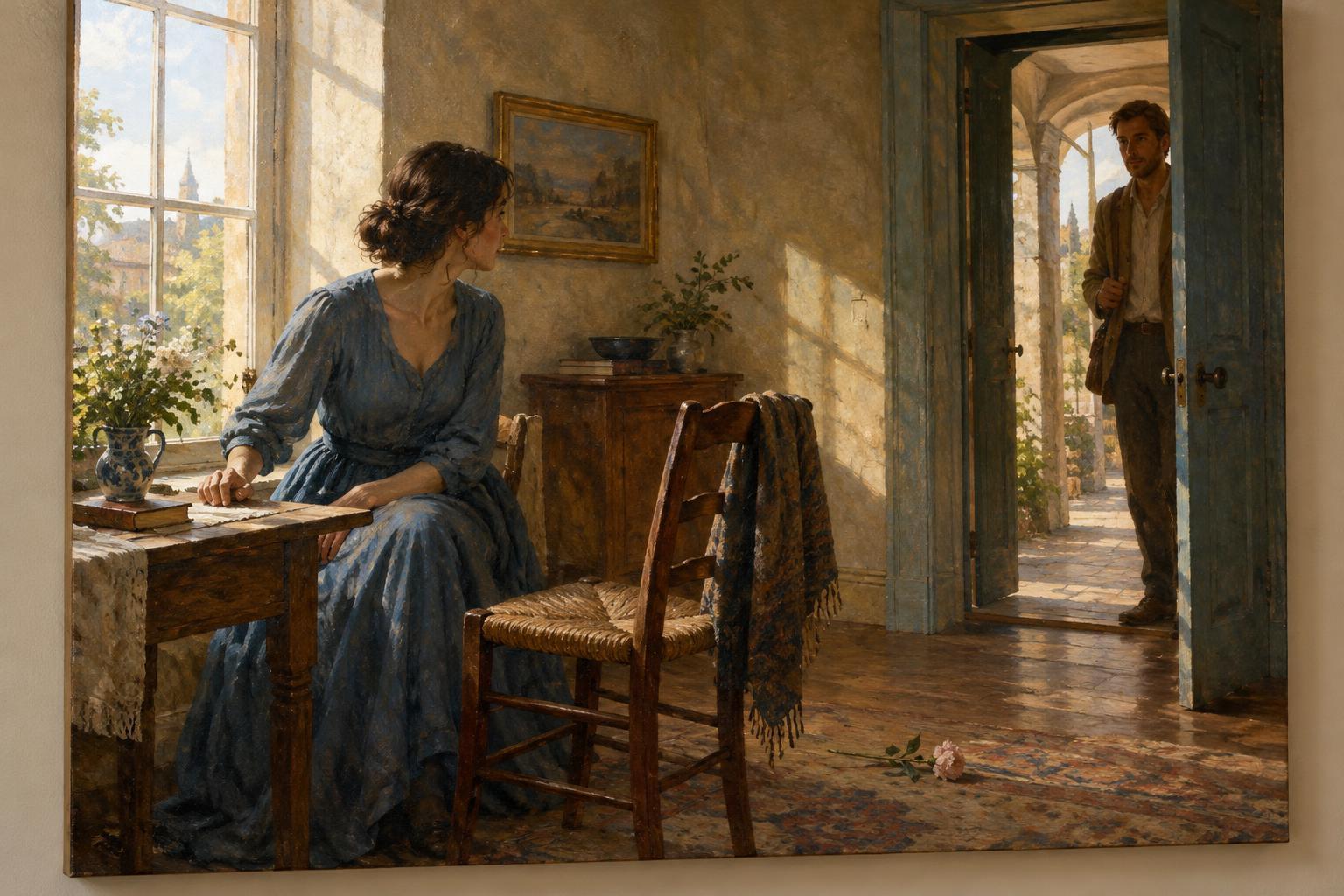
Visual ArtsA painting can suggest a story without spelling out what happened. Learn how to follow its figures, gestures, composition, light and details while leaving room for your own interpretation.
Read article · 3 min↗
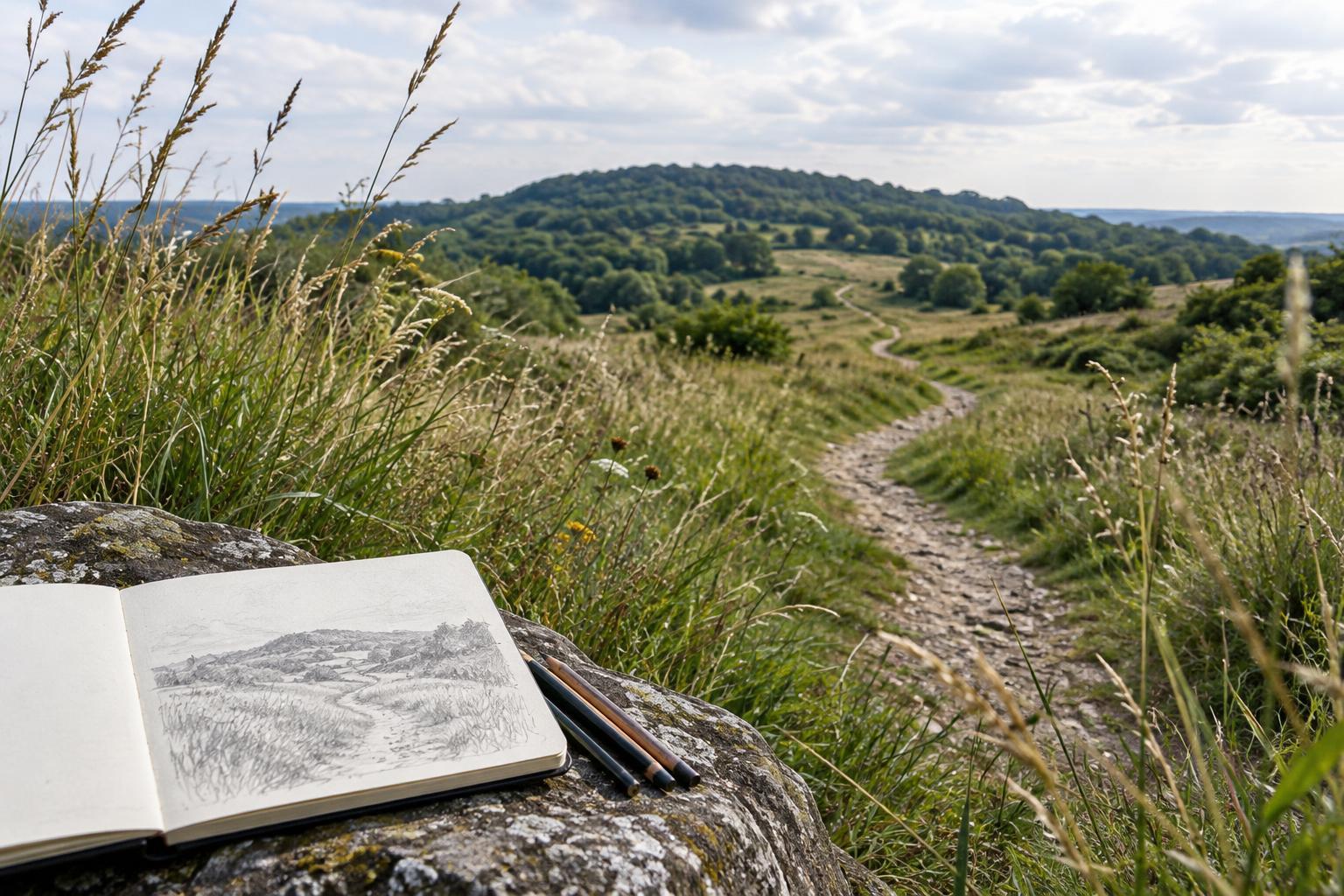
Visual ArtsA landscape changes on the page when an artist moves uphill, crouches near the ground, or turns toward a different edge of the scene. Learn how viewpoint shapes composition, mood, and a viewer’s sense of place.
Read article · 4 min↗
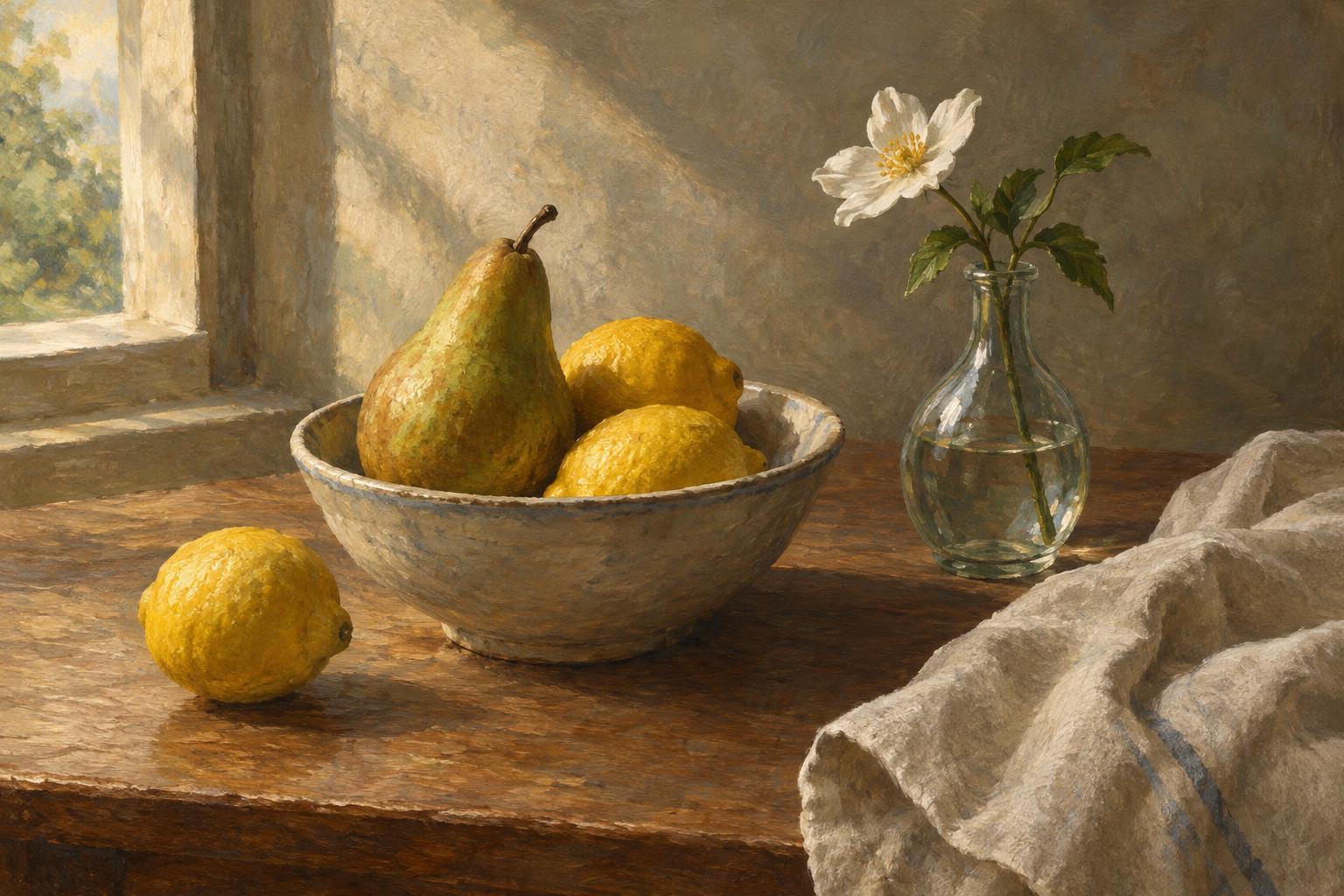
Visual ArtsA still life can make a bowl, a flower or a folded cloth worth a second look. This guide offers a simple way to explore its arrangement, light, color, surfaces and mood, without needing to identify every object or know the artist’s intentions.
Read article · 4 min↗
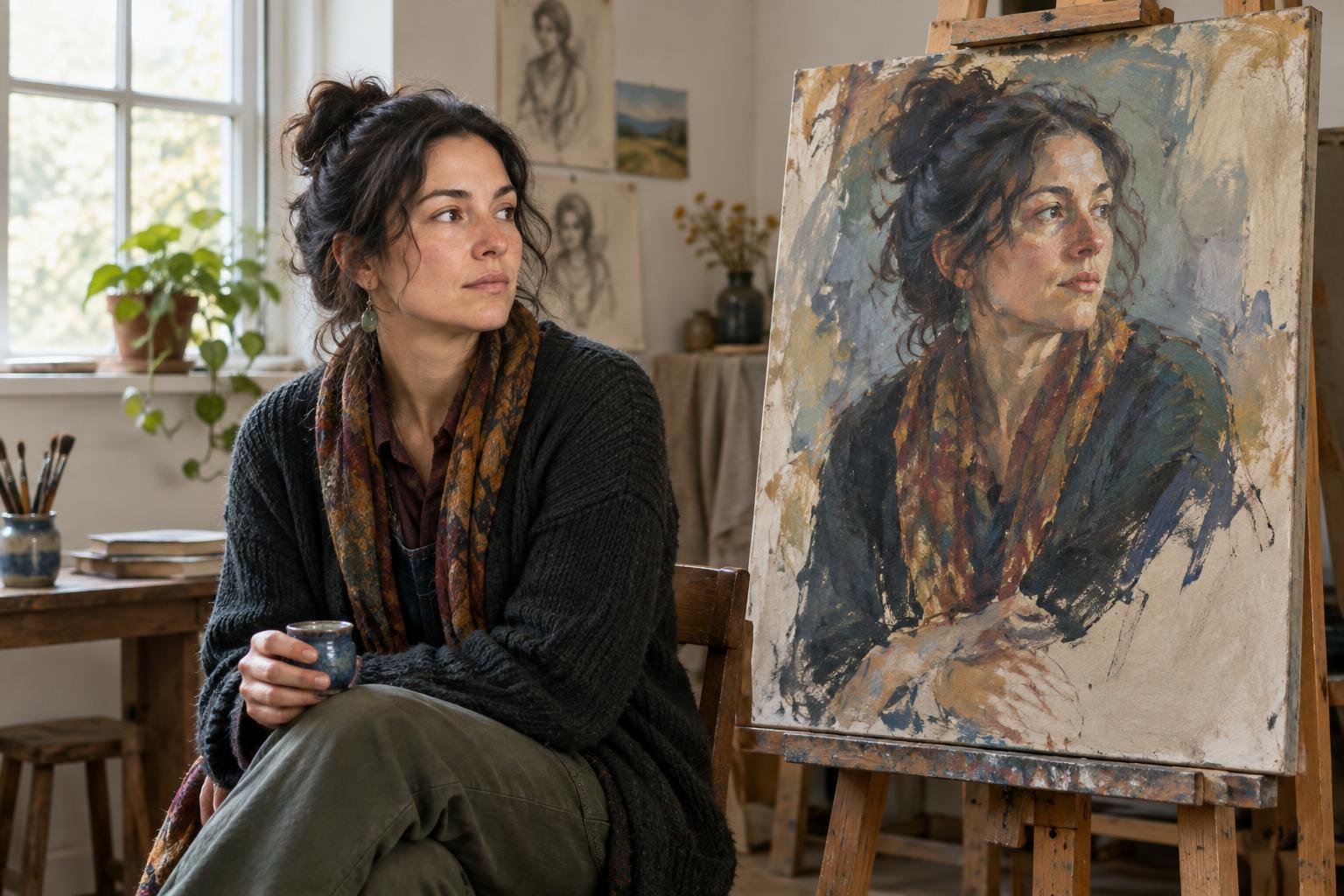
Visual ArtsA portrait can do more than show what someone looks like. Pose, expression, clothing, setting and artistic choices can suggest how a person sees themselves, how others see them, or how they wish to be remembered. This guide offers practical ways to notice those choices without assuming that a single image tells a whole life story.
Read article · 4 min↗
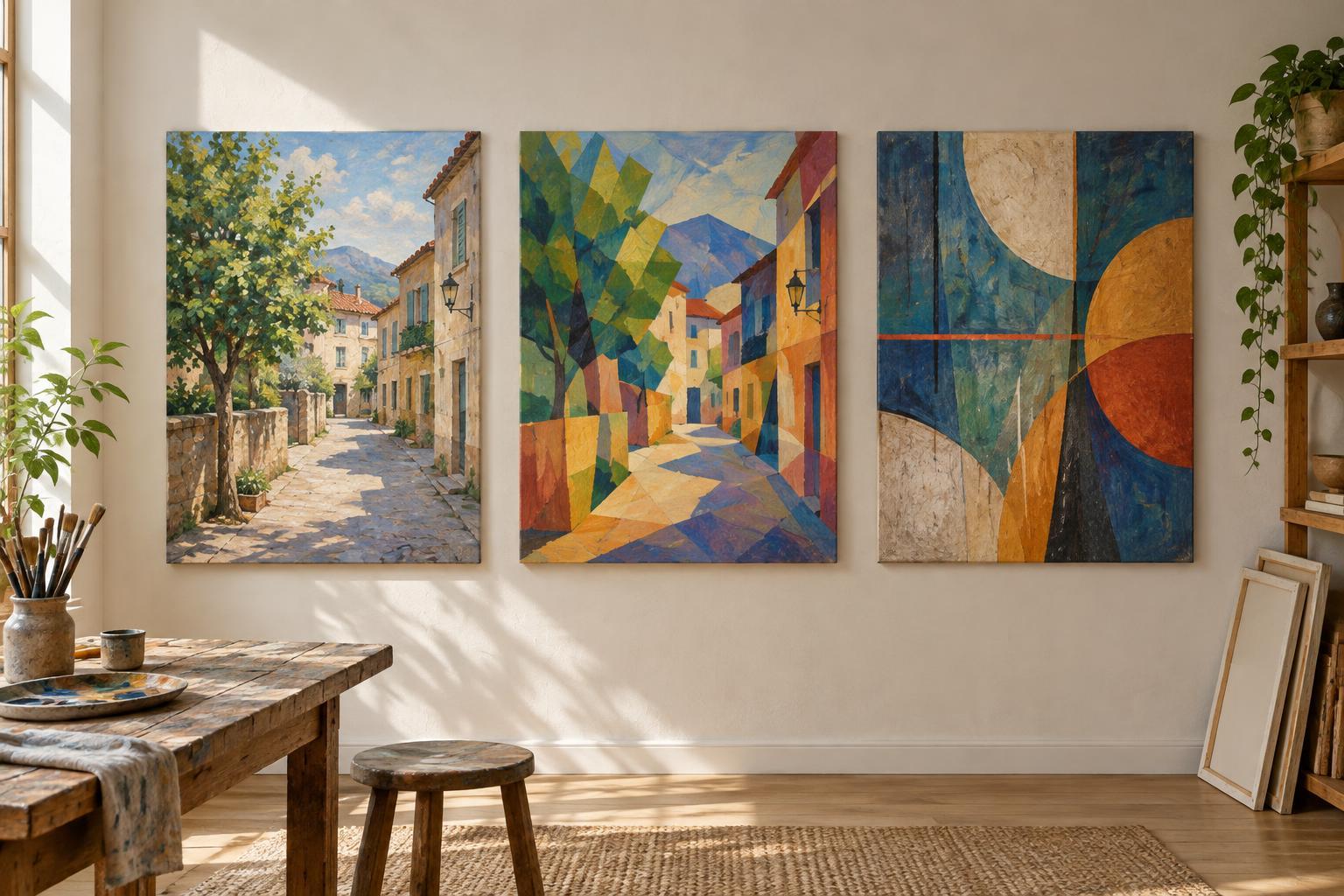
Visual ArtsA painting may show a recognizable street, suggest one through simplified shapes, or make no reference to a street at all. Learn how representational, abstract, and nonobjective art differ, where their boundaries blur, and how to enjoy looking at each.
Read article · 4 min↗
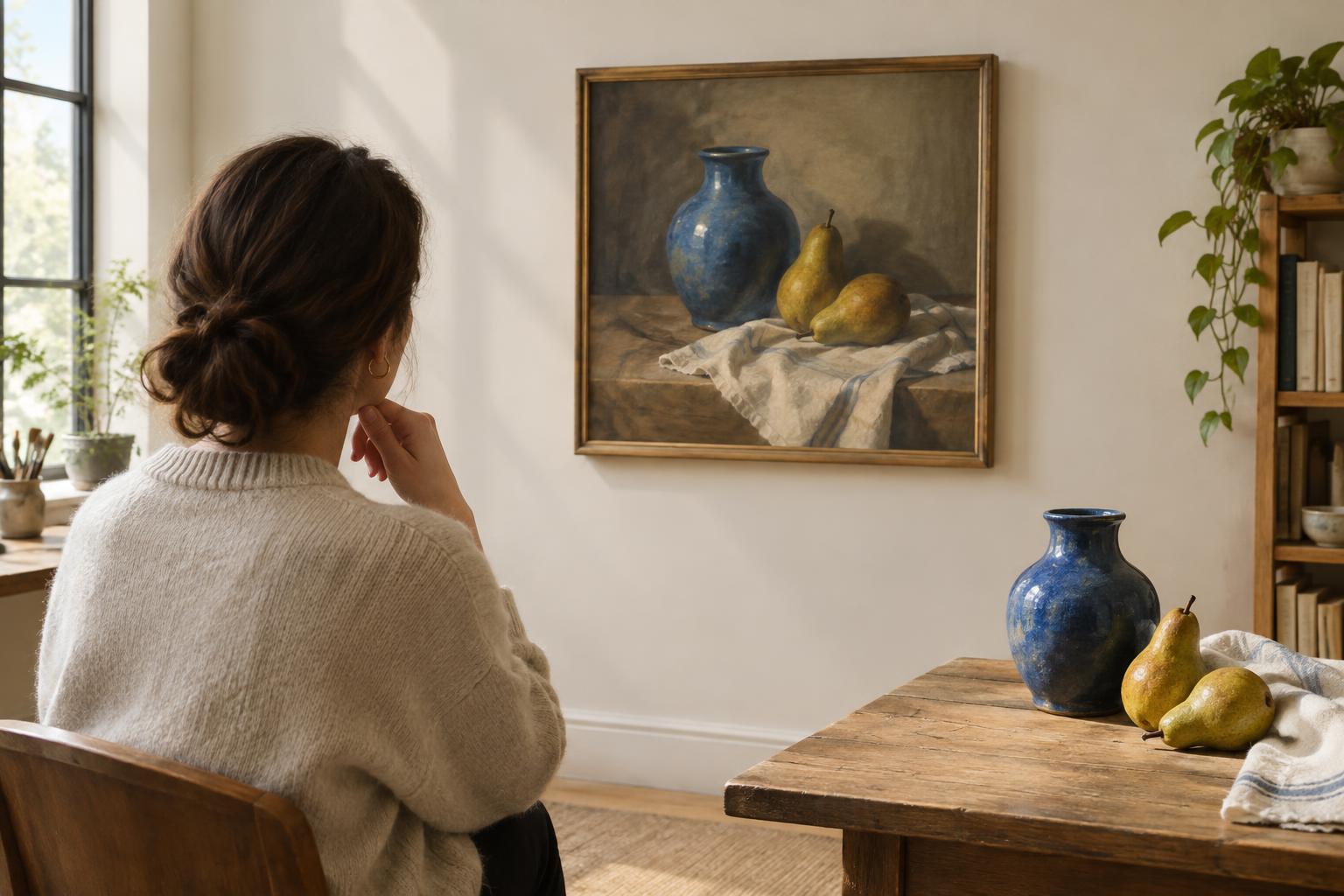
Visual ArtsA practical guide to looking at visual art in two stages: first noticing what is visible, then exploring what those details might suggest. Learn how subject matter, composition and context can shape an interpretation without turning a first impression into a certainty.
Read article · 4 min↗
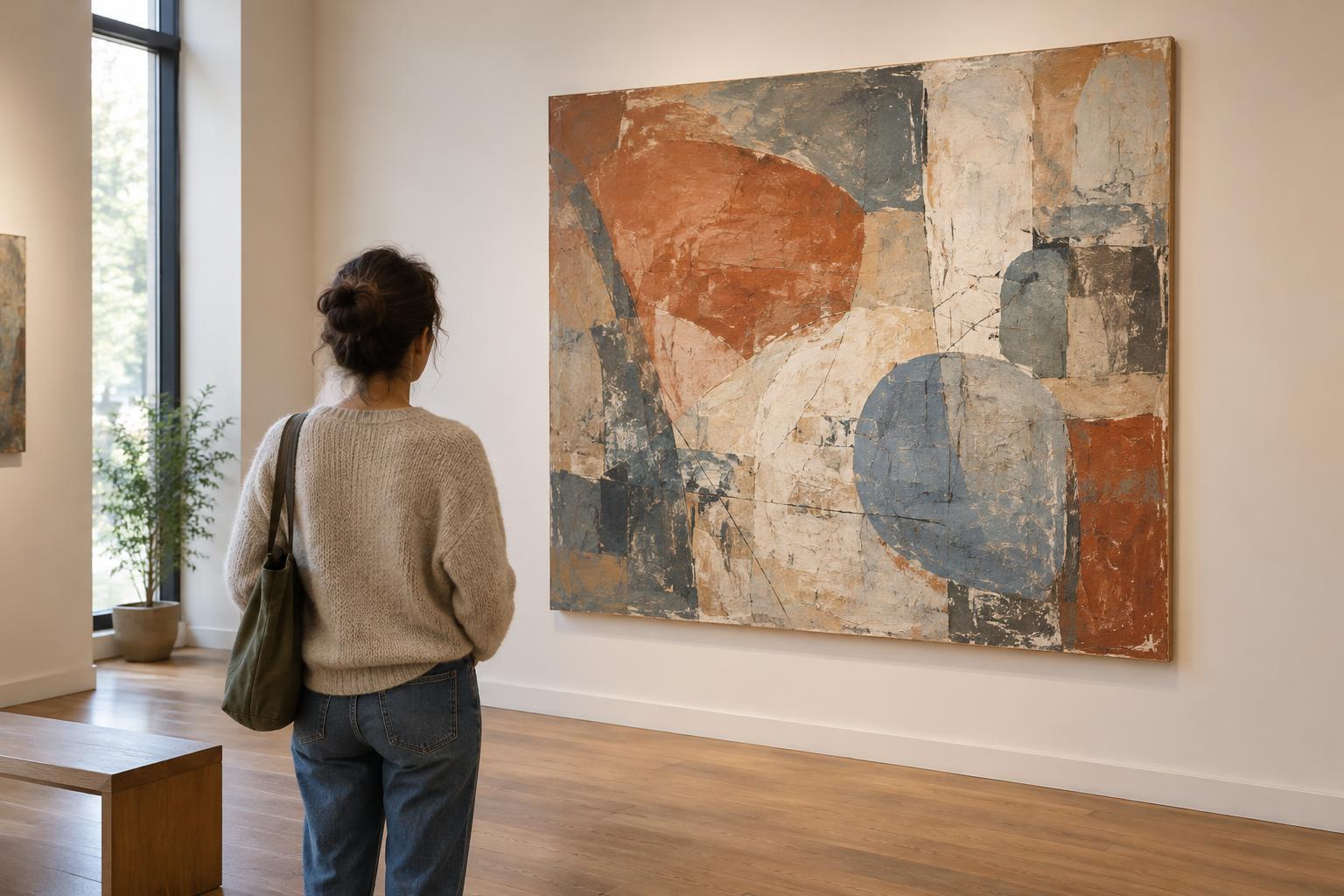
Visual ArtsYou do not need to identify an artist or decode a hidden message to spend time with an artwork. This guide offers a practical way to notice what you see, explore how its parts work together and decide what you want to learn next.
Read article · 4 min↗