What makes an artwork an installation?
A painting can be moved from one wall to another while remaining recognisably the same painting. An installation often works differently: the arrangement of objects and the space around them are central to what we experience. It might fill a room, occupy a corner or lead visitors along a path. Instead of looking at one object from a preferred viewpoint, you may need to turn, walk, pause or look back to understand how its parts relate.
There is no single material or appearance that defines installation art. Artists may work with fabric, found objects, projected images, light, sound or familiar household materials. Some installations invite visitors to enter; others are best viewed from a boundary. What connects them is the deliberate relationship between the work, its surroundings and the person encountering it.
How the setting changes the work
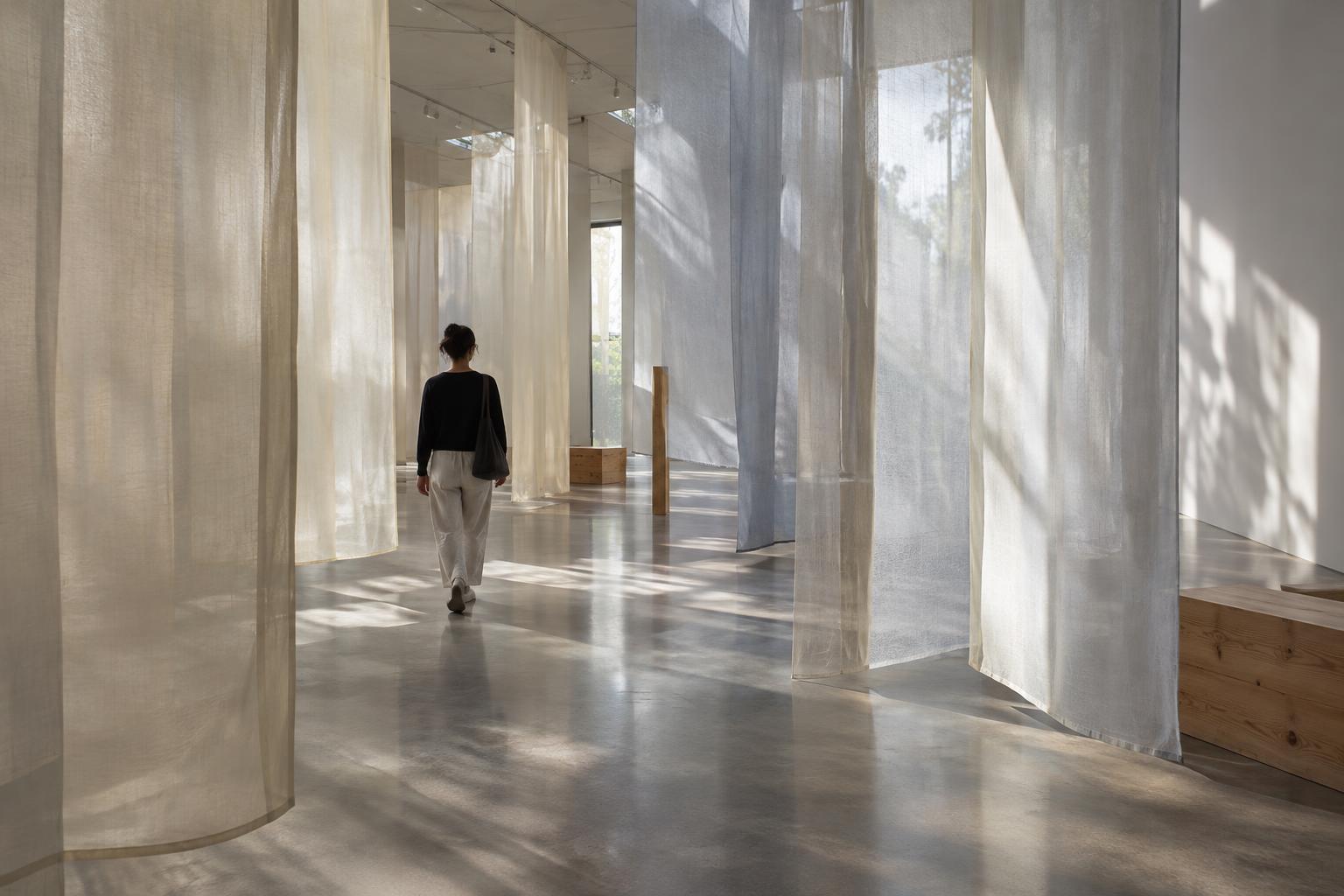
A room is never quite a blank container. Its height, windows, doorways, floor and existing sounds affect what we notice. An artist might hang thin material where daylight passes through it, place objects so a narrow doorway controls the first view, or use a long corridor to create a sense of anticipation. Empty space can be as important as the things placed within it: a wide gap may make two objects feel distant, while a crowded corner can make them feel connected.
Some installations are made for a particular location. In these site-specific works, a feature of the place may be essential to the idea. Moving the objects elsewhere would change the experience, even if their arrangement were copied. Other installations can be rebuilt in different venues, but choices about scale, lighting and layout still matter. In either case, it helps to ask not only “What am I looking at?” but also “Why am I seeing it here?”
The viewer’s movement is part of the experience
Installation art unfolds over time because your view changes as you move. From the entrance, separate shapes might appear to form one image; a few steps later, that image breaks apart. A sound may be faint at one end of a room and clearer at the other. These shifts encourage attention to sequence: what you notice first, what is hidden and what becomes apparent only after you have spent time with the work.
Your presence can matter even when you do not touch anything. You might cast a shadow, see your reflection or become aware of another visitor crossing your line of sight. Interactive installations make that relationship more explicit, perhaps responding to movement or inviting a permitted action. Not every installation is interactive, though. Check any guidance before touching materials or entering a space, and notice how a work engages you even when you remain still.
How to look closely without needing an interpretation
Begin with a slow circuit, if the space allows it. Notice where the work starts and ends, then consider how its parts are arranged. Is there a clear centre, or does your attention travel between several points? Look for changes in scale, texture, colour and light. Listen as well: an installation’s sound may come from the artwork, the building or other visitors, and those layers can affect the atmosphere.
Next, try describing your experience before deciding what the work means. You might say that a low ceiling made you more aware of your body, or that repeated objects made a large room feel orderly. Such observations give you a grounded way into interpretation. A wall label may add useful context, but you do not have to settle on one correct response. If you visit with someone else, comparing what each of you noticed can reveal how differently a shared space is experienced.
Why photographs tell only part of the story
A photograph can preserve an installation’s appearance, but it usually fixes one viewpoint. It may not convey the distance between objects, the sound in a room or the time it took to walk through. That does not make photographs unhelpful; they can record details and show a work to people who cannot visit. They are simply a different way of encountering it.
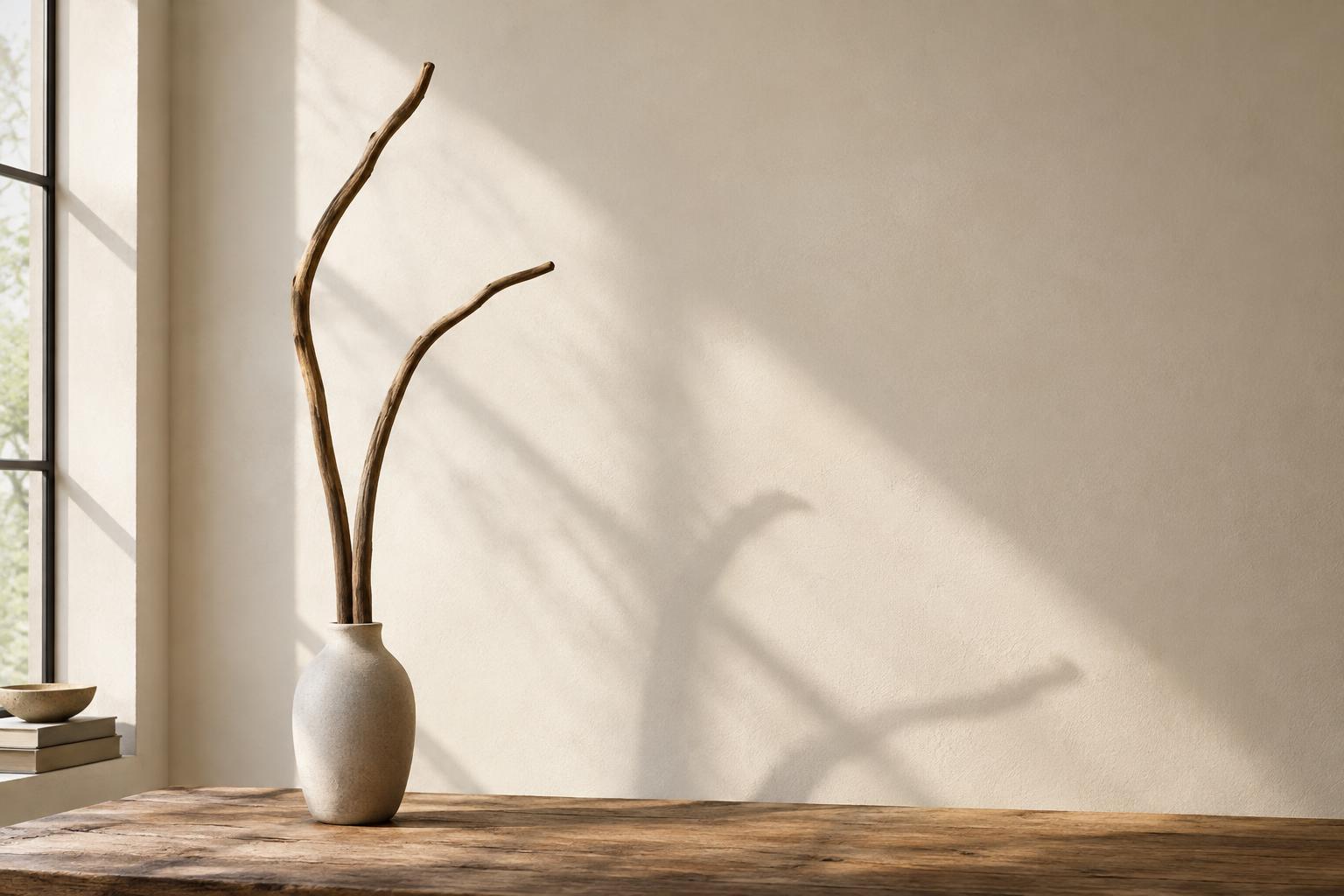
You can apply this distinction beyond a gallery. Consider how an object on a shelf changes when you move it nearer a window, group it with others or leave more space around it. Installation art brings that everyday relationship between things and their surroundings into focus. It reminds us that looking at art is also an experience of where we are.