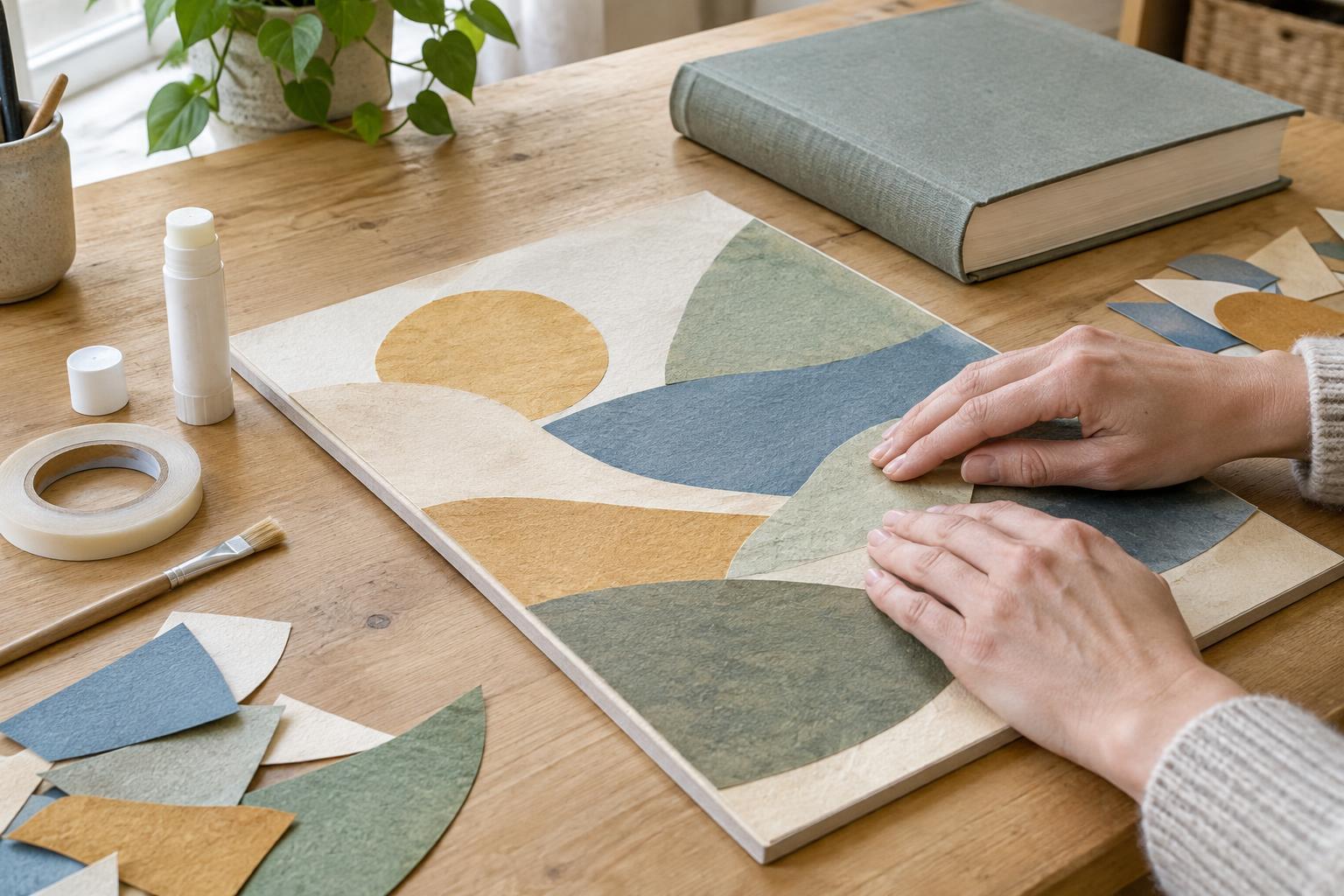
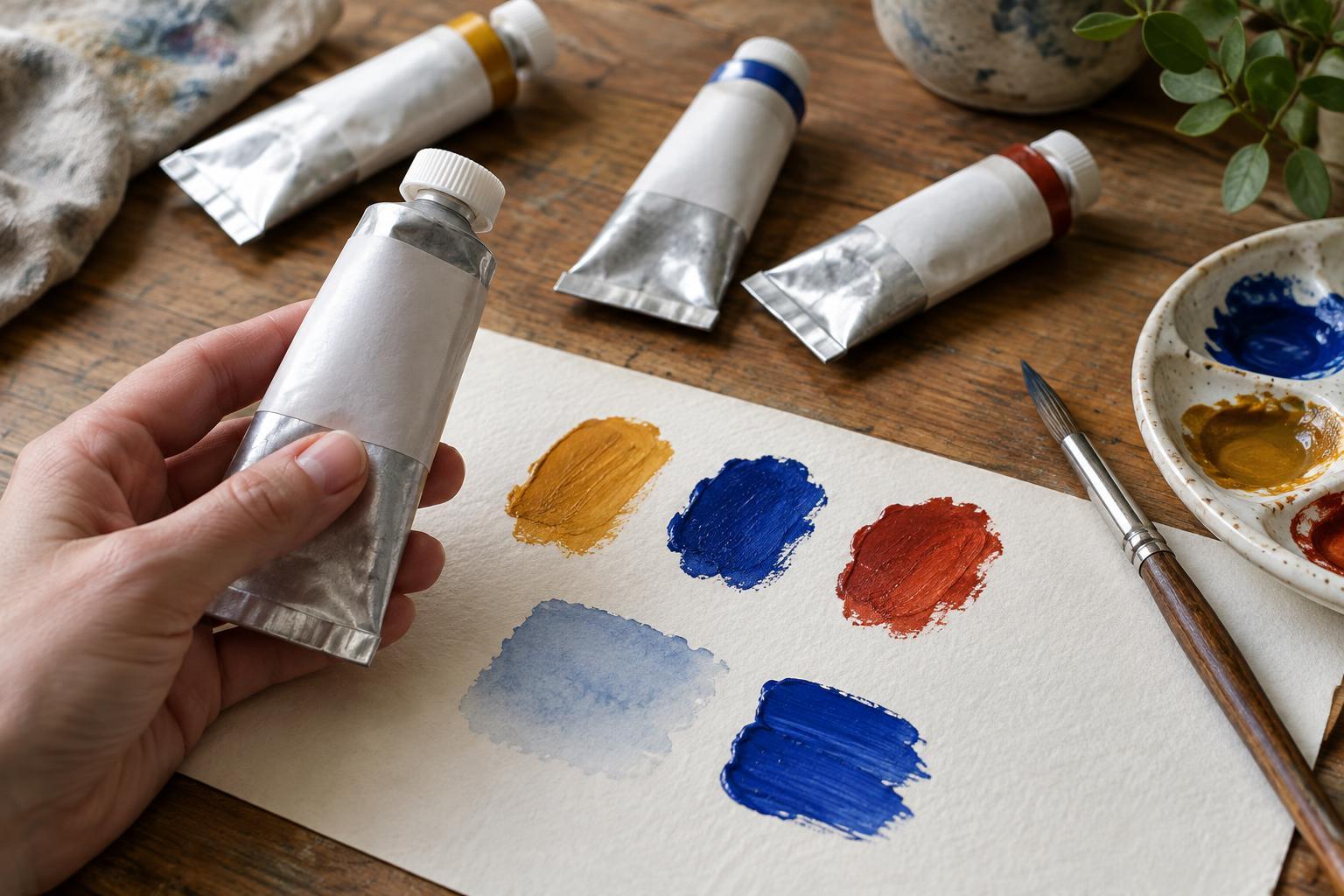
Artists' MaterialsA paint tube can tell you more than its color name suggests. Learn how to find pigment codes, interpret opacity symbols, and compare lightfastness ratings so you can choose materials with greater confidence.
Read article · 4 min↗
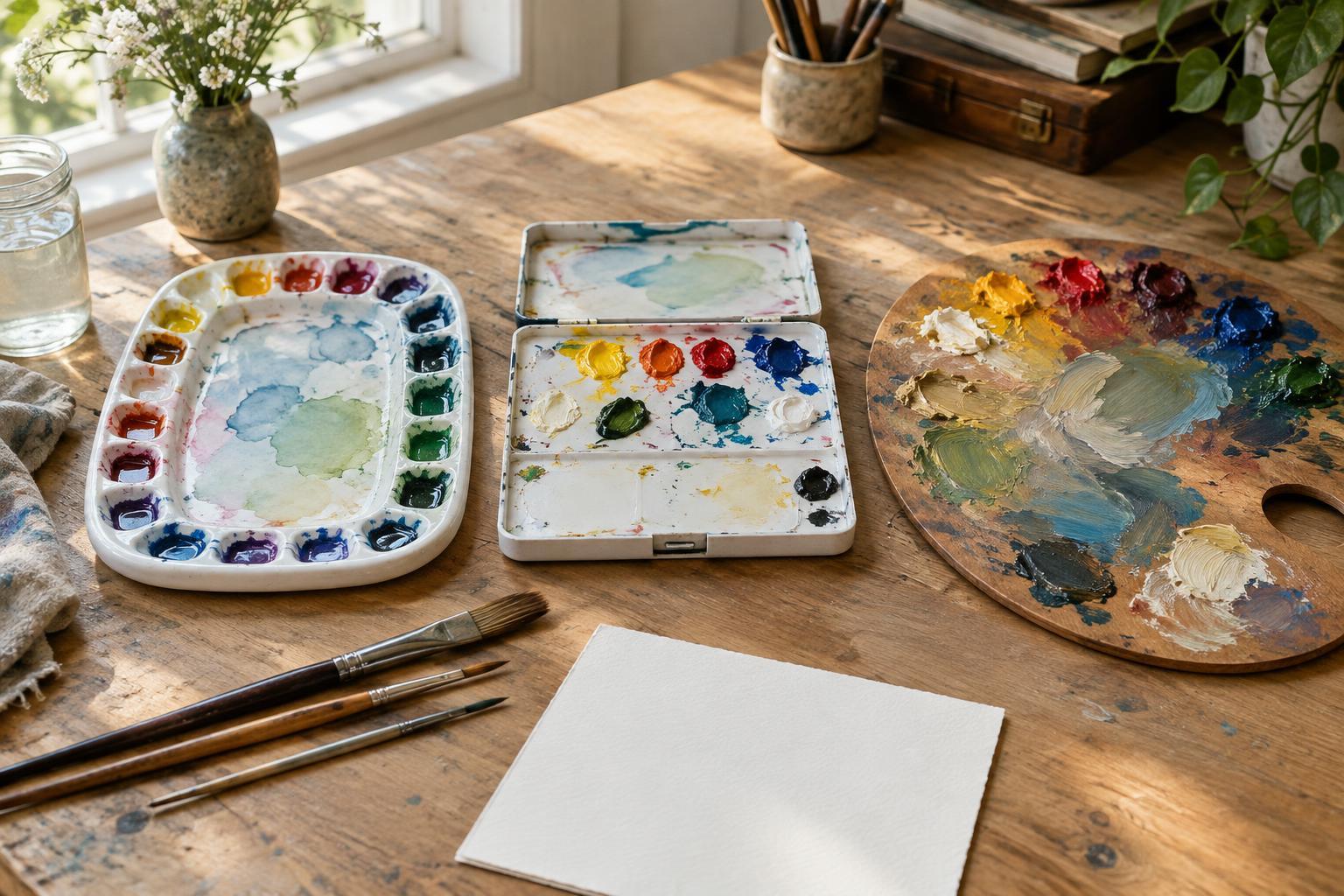
Artists' MaterialsA good paint palette gives you room to mix, keeps colors easy to see, and suits the way your paint behaves. Learn what to look for in watercolor, acrylic, and oil palettes, from mixing surfaces and wells to cleaning and storage.
Read article · 4 min↗
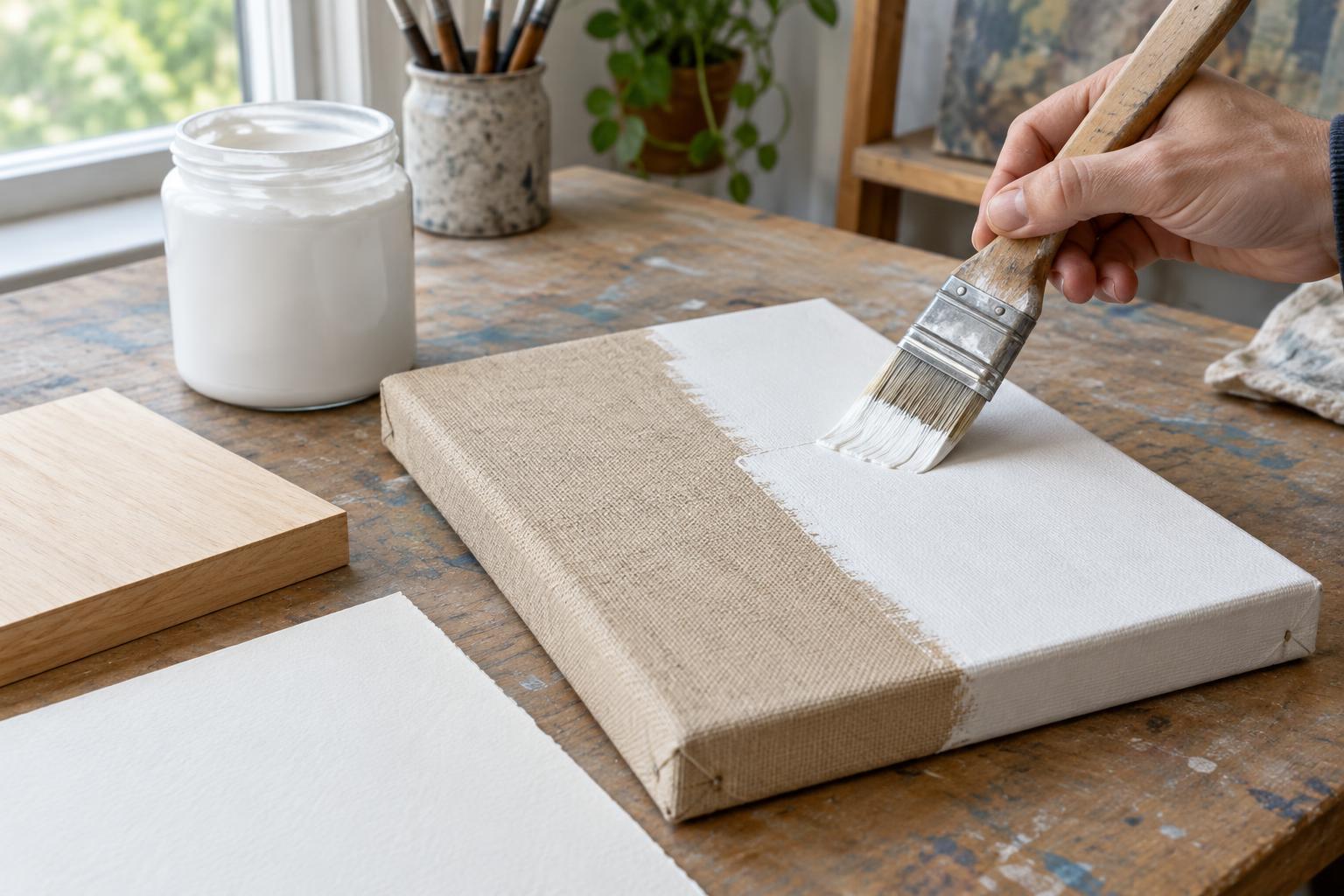
Artists' MaterialsGesso can give paint a more dependable surface, but not every project needs it. Learn what modern gesso does, how it differs from sizing, and when to prime canvas, wood, or paper before painting.
Read article · 5 min↗
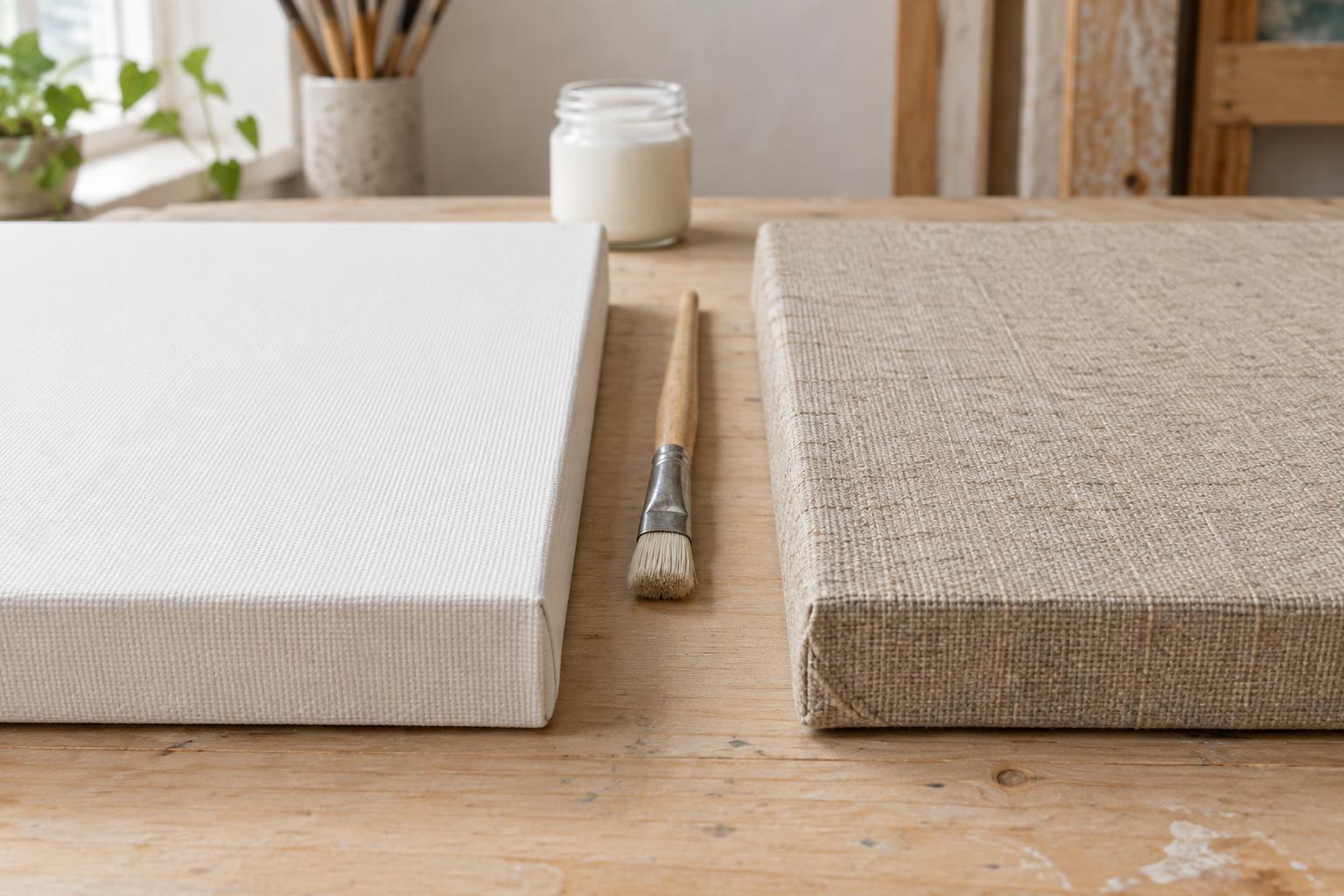
Artists' MaterialsCotton and linen can both make satisfying painting surfaces. Learn how their weave, tension, primer and cost affect the way they feel under a brush, and how to choose a canvas that suits your materials and working style.
Read article · 4 min↗
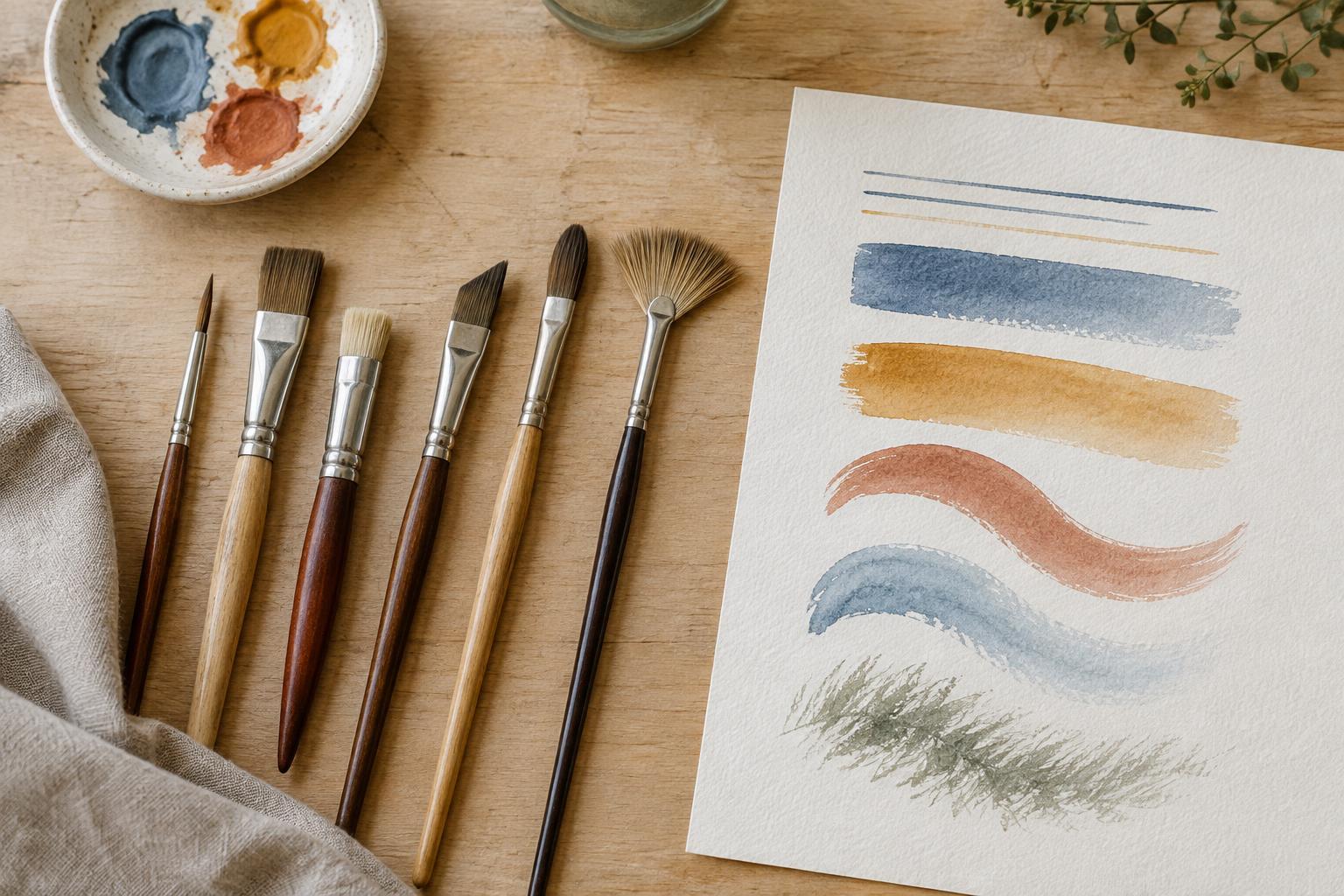
Artists' MaterialsRound, flat, filbert or fan? Learn what common paintbrush shapes do, how size and bristle feel affect your marks, and which few brushes are worth trying first.
Read article · 4 min↗
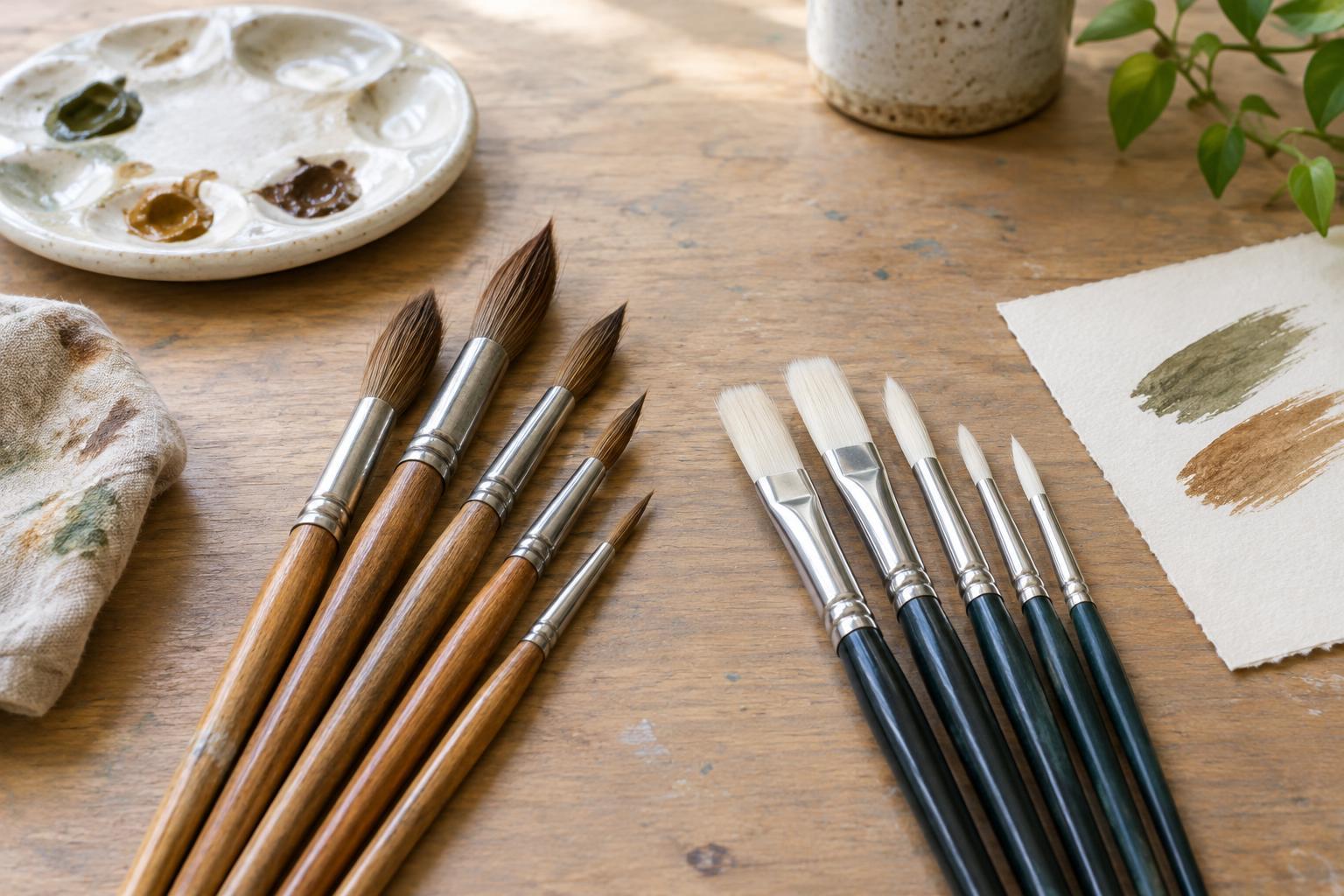
Artists' MaterialsA brush’s bristles affect how it holds paint, releases a stroke and responds to cleaning. Learn the practical differences between natural hair and synthetic filaments, then choose a brush that suits your paint, technique and budget.
Read article · 4 min↗
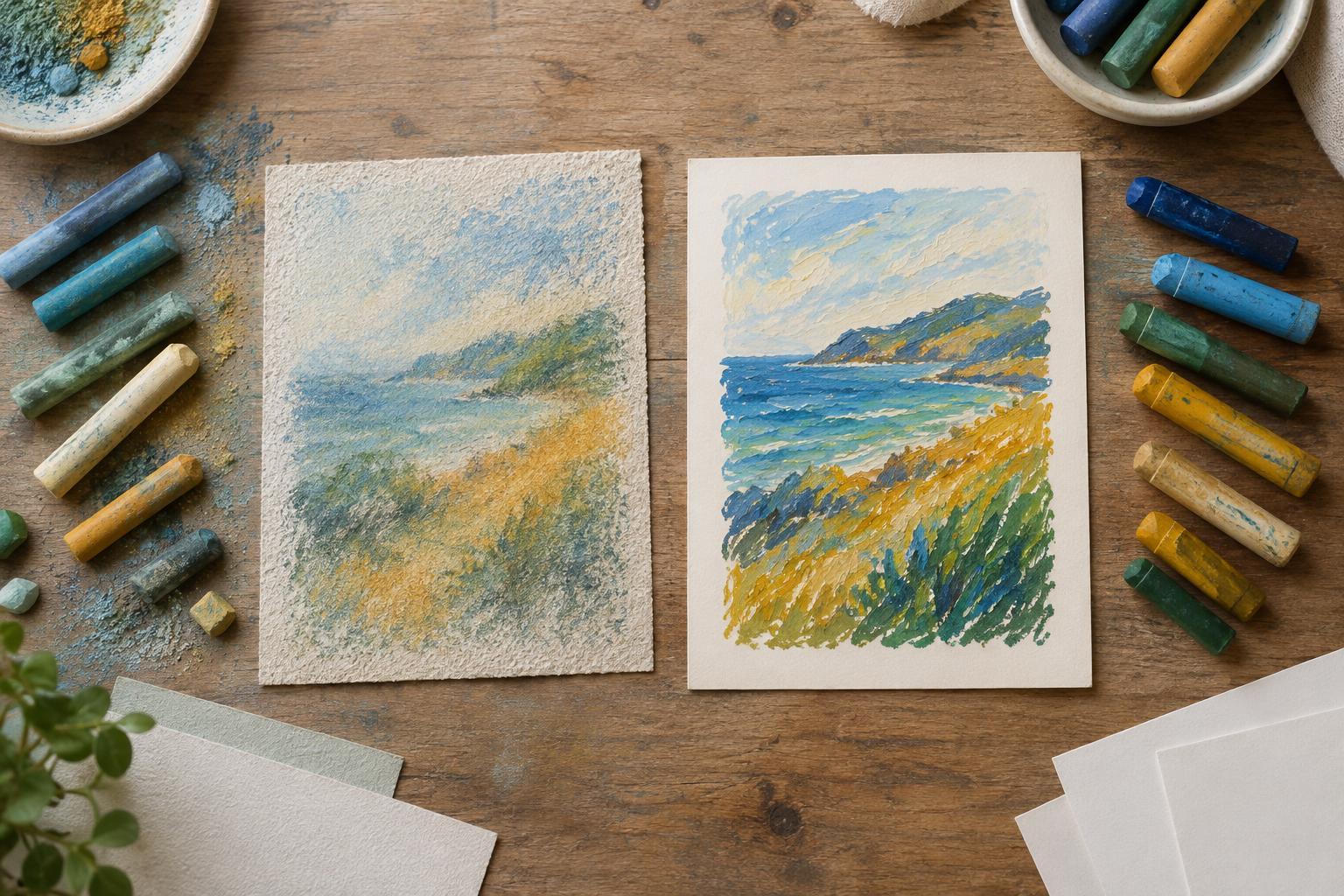
Artists' MaterialsSoft pastels and oil pastels may share a name, but they behave differently on the page. Learn how their binders, textures and surface needs affect layering, blending, storage and display.
Read article · 4 min↗
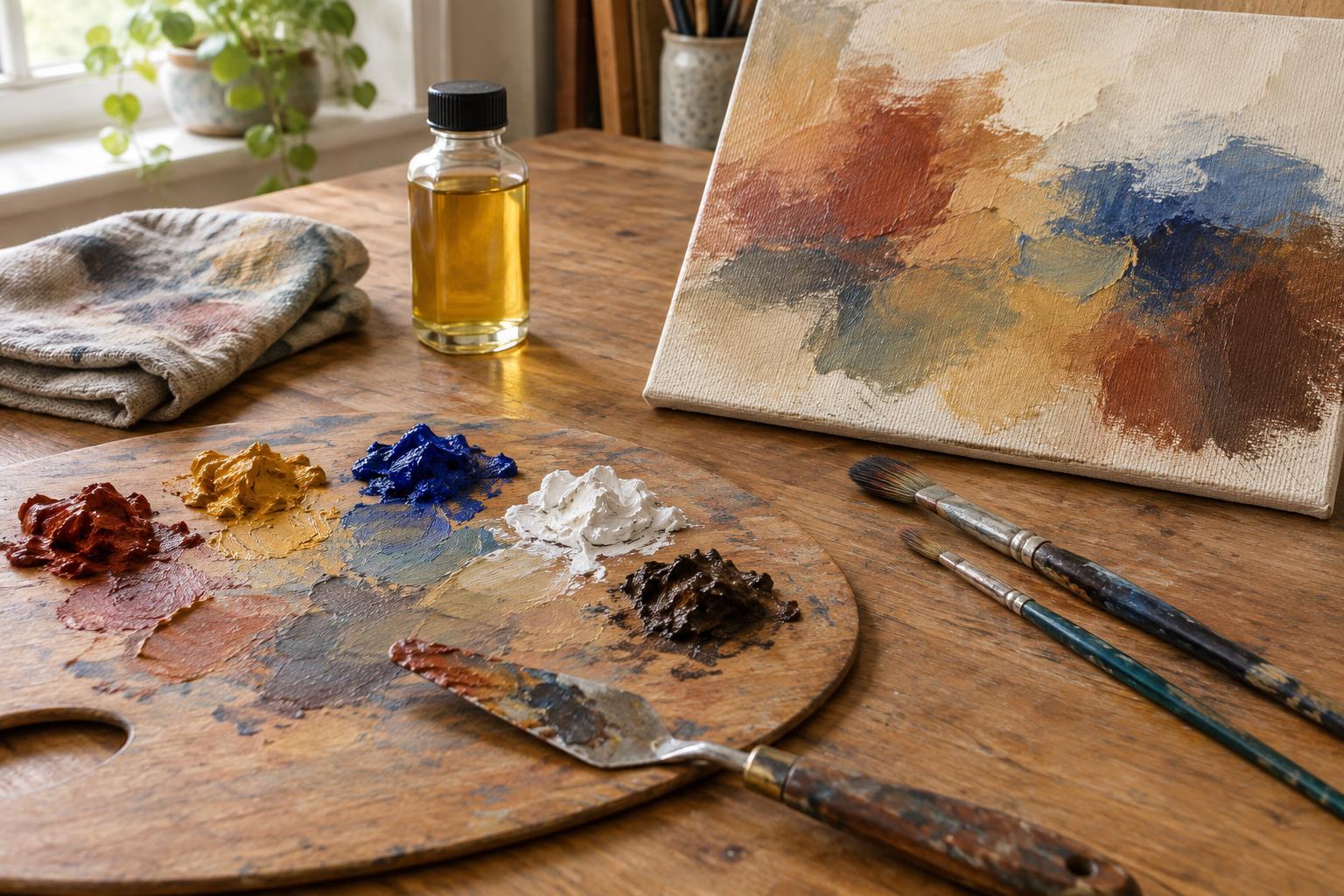
Artists' MaterialsOil paint offers rich colour and time to blend, but its materials can feel unfamiliar at first. Learn what pigments and binders do, why drying takes time, and how to set up a practical painting routine with less mess and more care.
Read article · 4 min↗
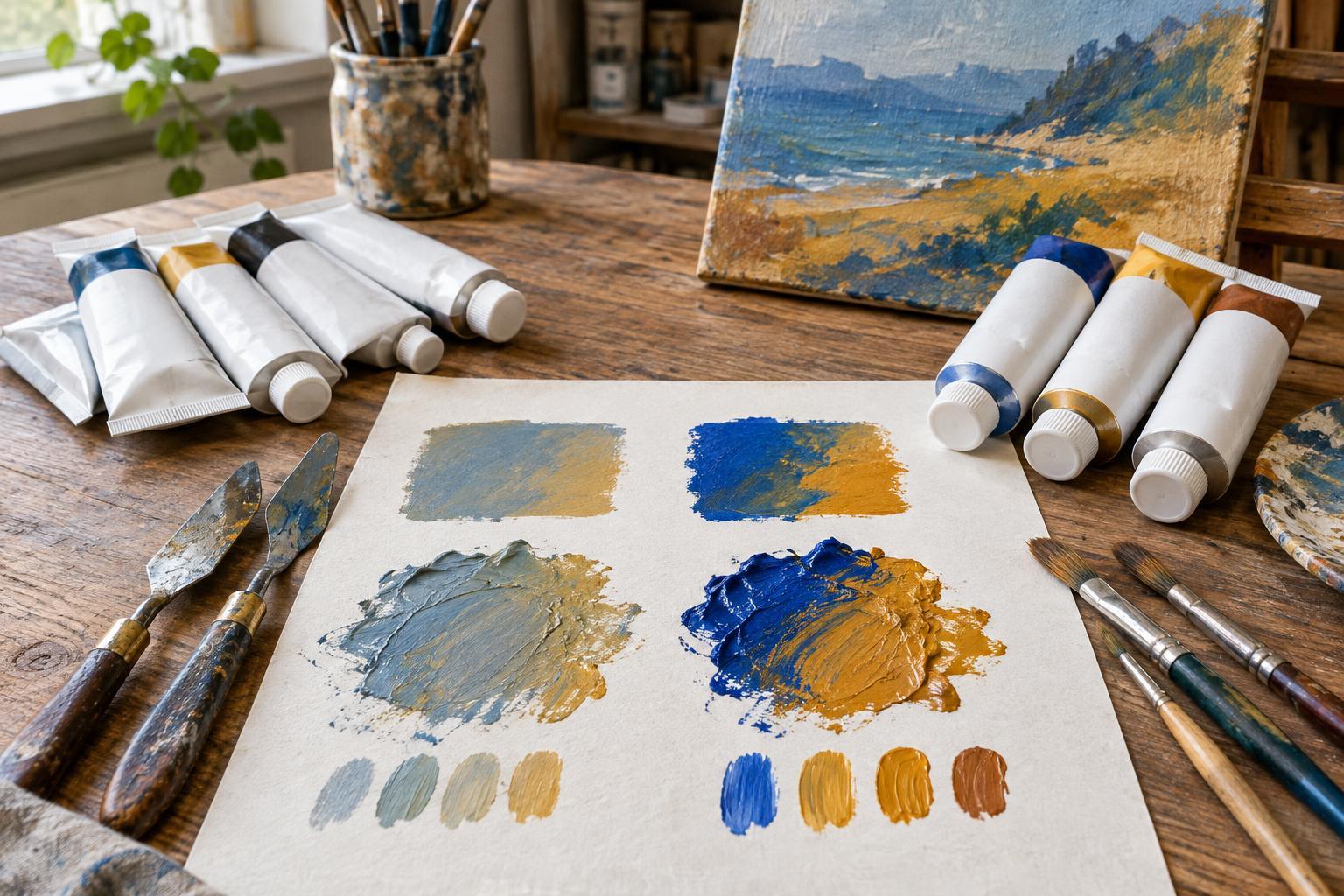
Artists' MaterialsStudent-grade acrylics can be a practical choice for learning and large projects, while artist-grade paints often offer stronger color and more detailed pigment information. Here is how to decide where the difference matters for your work.
Read article · 4 min↗
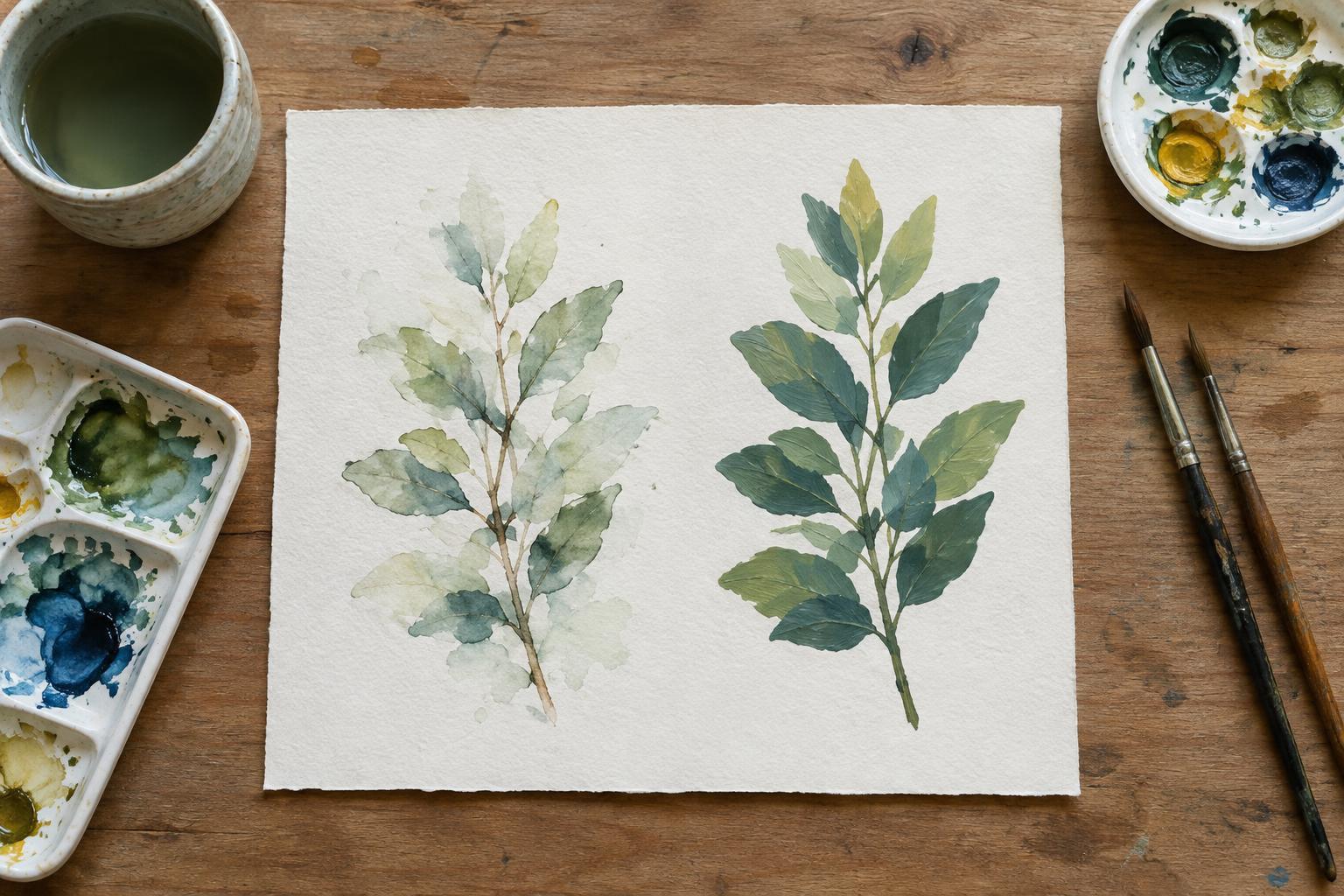
Artists' MaterialsGouache and watercolor can look similar in the palette but behave differently on paper. Learn how transparency, layering, water, and paper choice affect each paint, and try a simple comparison before your next project.
Read article · 4 min↗
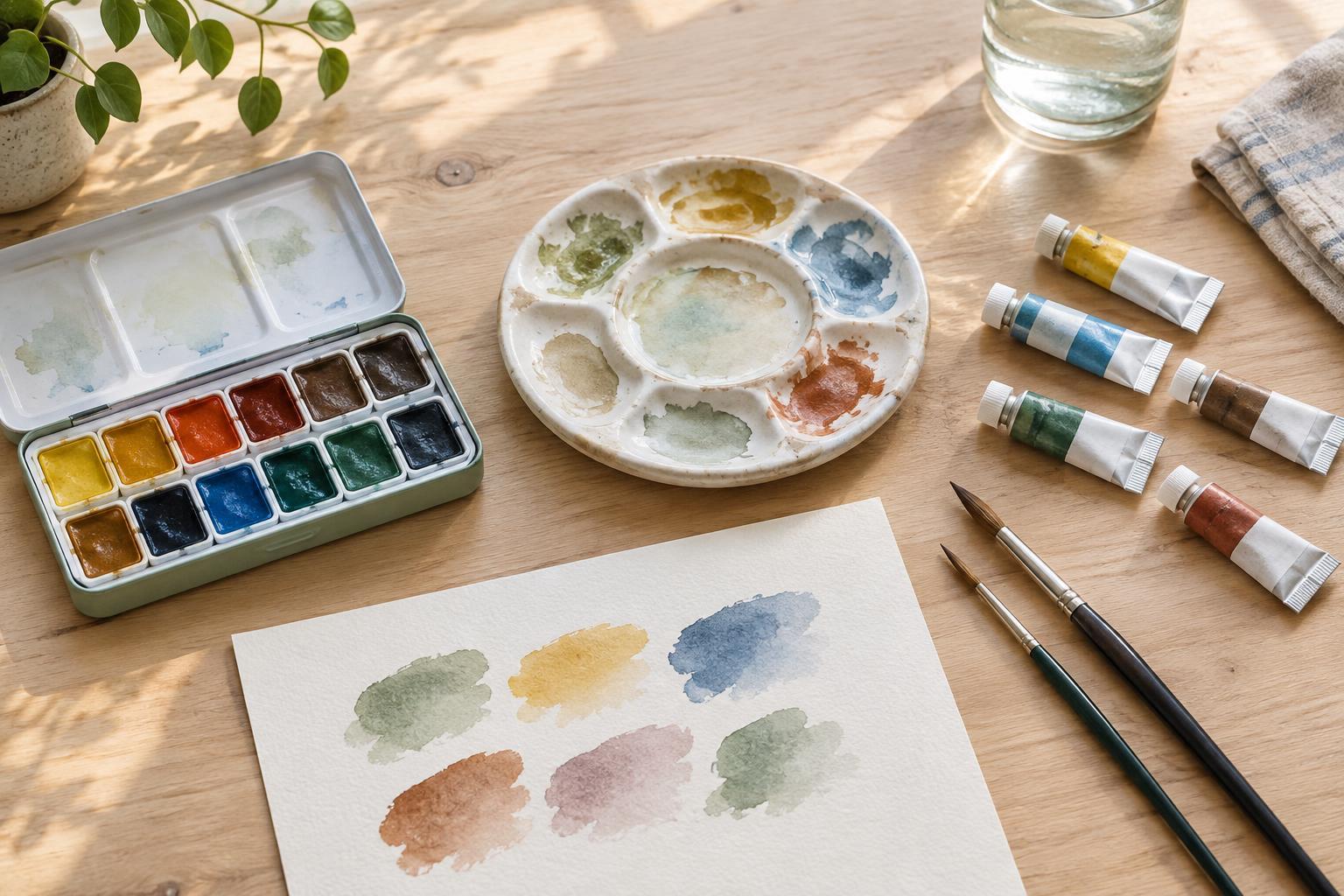
Artists' MaterialsWatercolor pans are compact and simple to set up, while tubes make it easier to mix larger amounts of paint. Learn how each format works, what changes when you paint, and how to choose a beginner-friendly setup.
Read article · 4 min↗
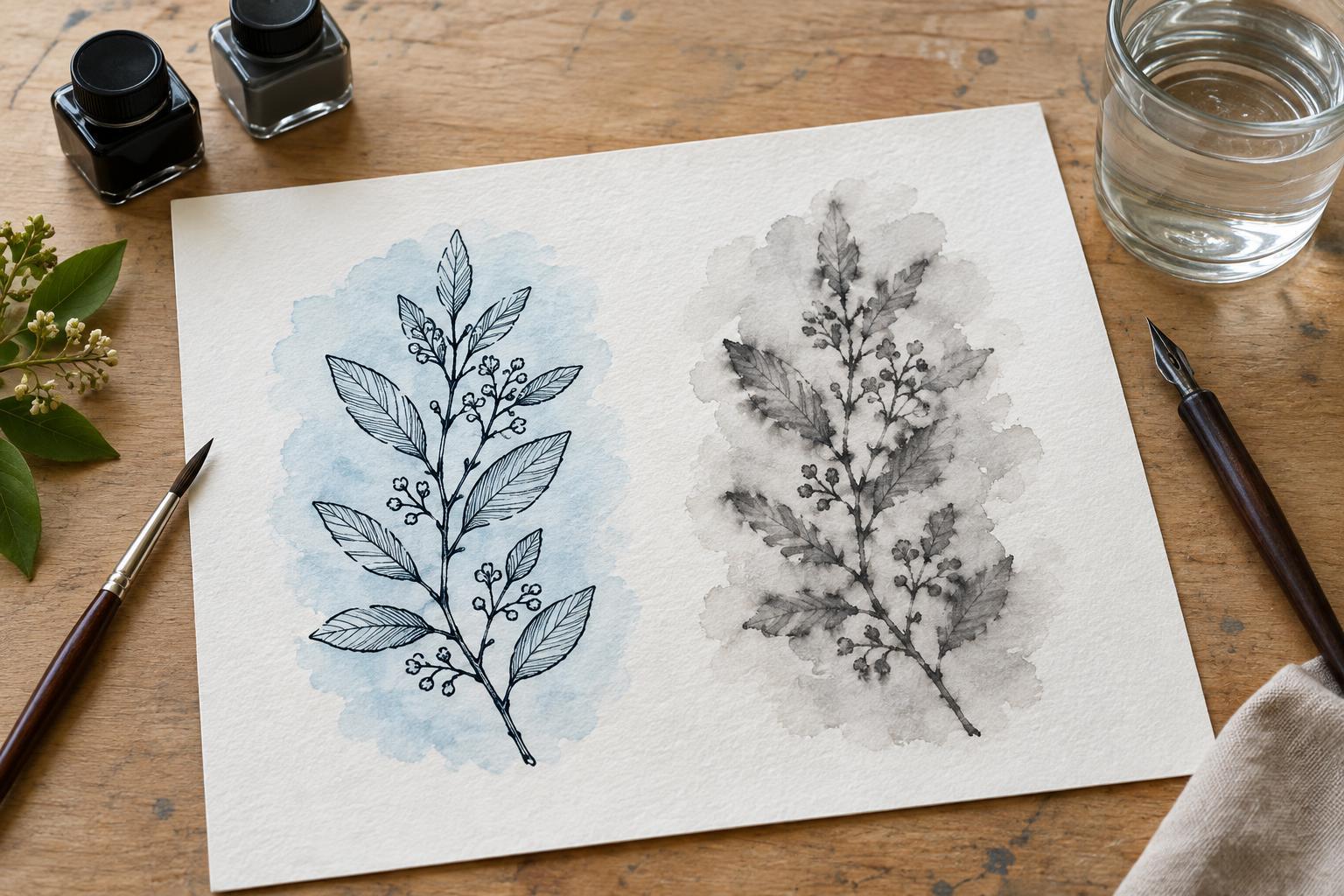
Artists' MaterialsThe difference between waterproof and water-soluble ink matters most when you add water after drawing. Learn how each behaves, where each is useful, and how to test an ink before committing it to a finished piece.
Read article · 4 min↗
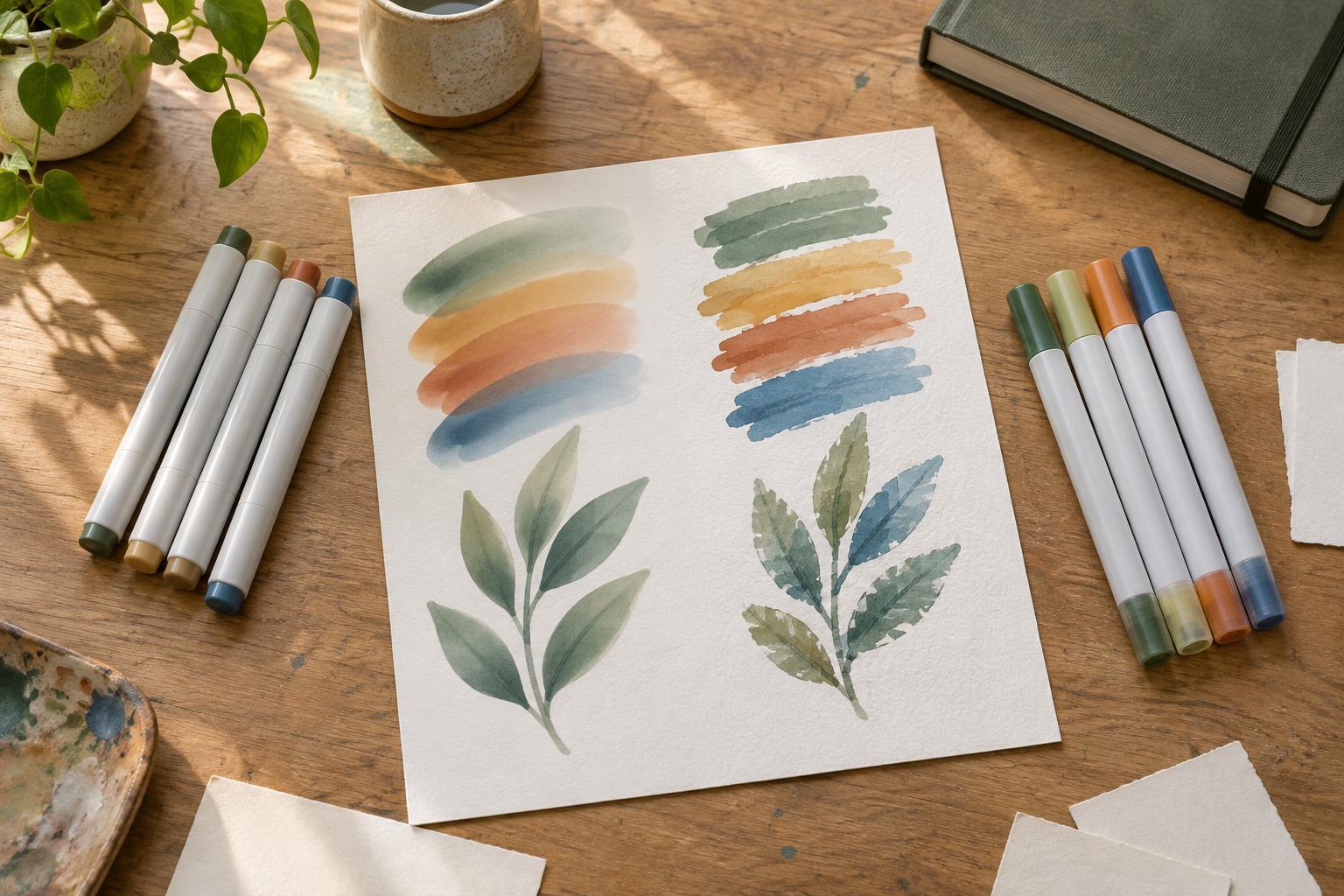
Artists' MaterialsAlcohol-based and water-based markers can produce very different lines, layers and blends. Learn how each type behaves on paper, what to expect from the color, and how to choose a marker that suits your drawing style.
Read article · 4 min↗
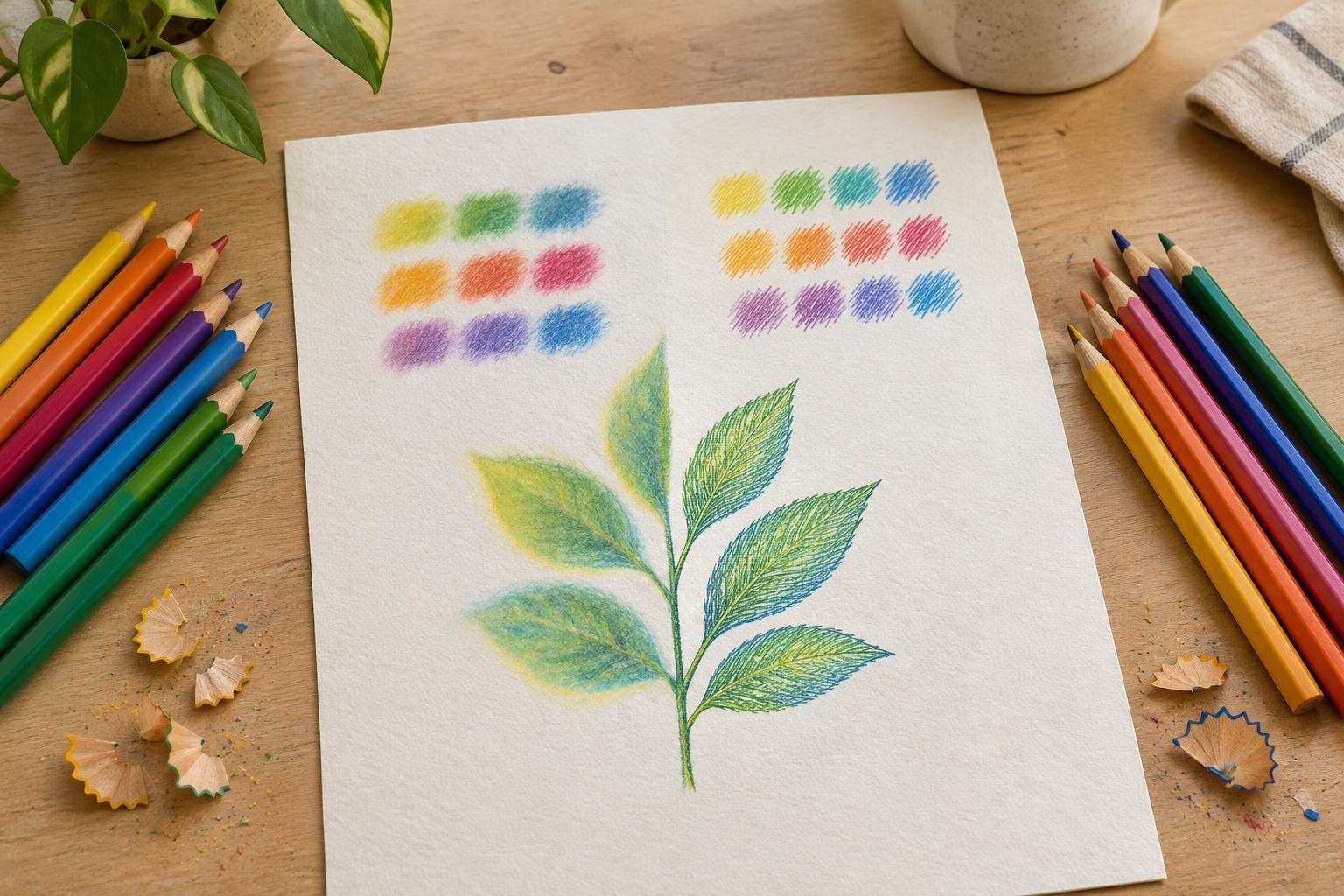
Artists' MaterialsThe difference between wax-based and oil-based colored pencils is less rigid than the labels suggest. Learn how they can feel on paper, what affects blending and layering, and how to choose a small set that suits the way you draw.
Read article · 4 min↗
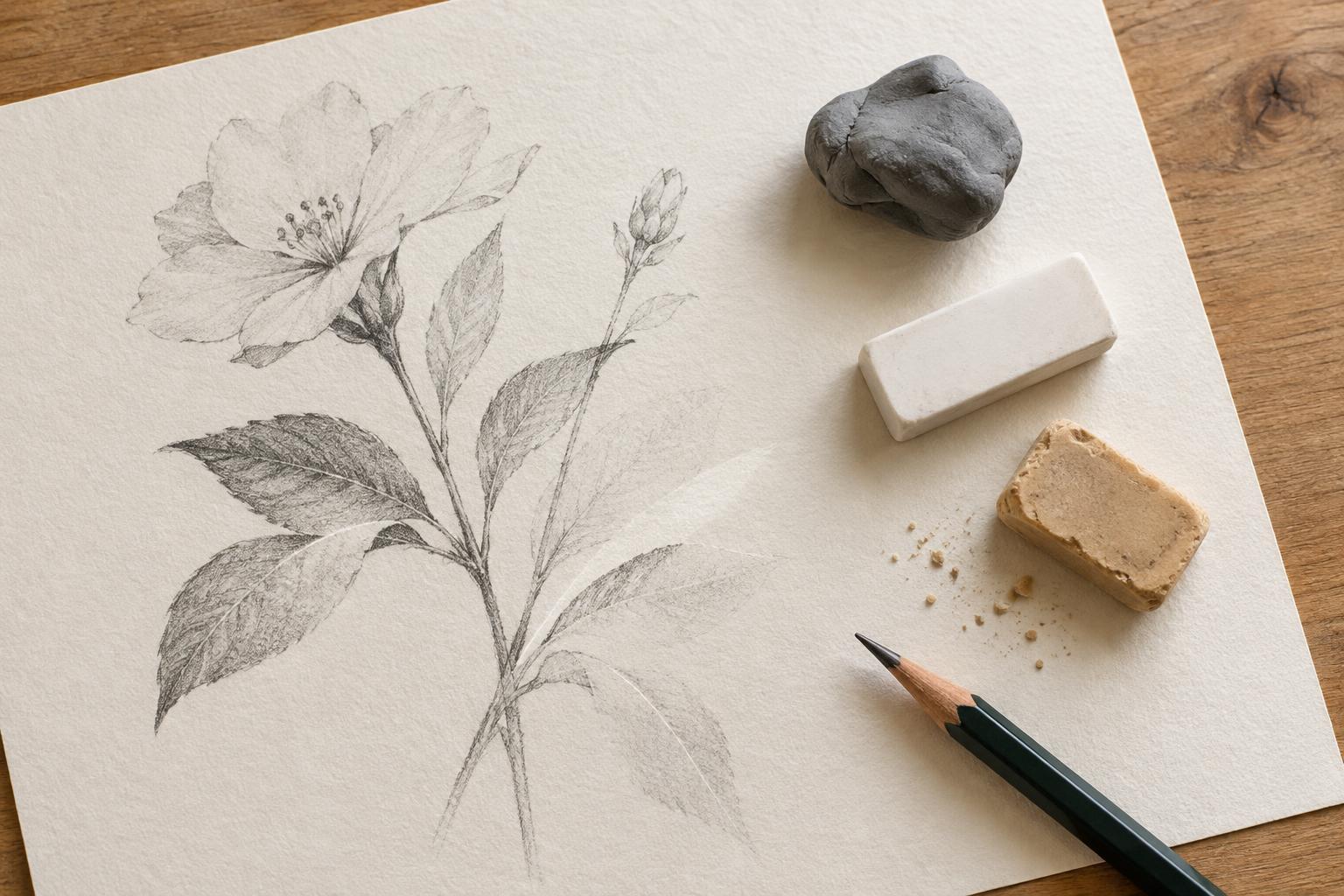
Artists' MaterialsNot all erasers treat a drawing—or its paper—the same way. Learn how kneaded, vinyl, and gum erasers work, where each is most useful, and how to remove marks without roughening the surface.
Read article · 4 min↗
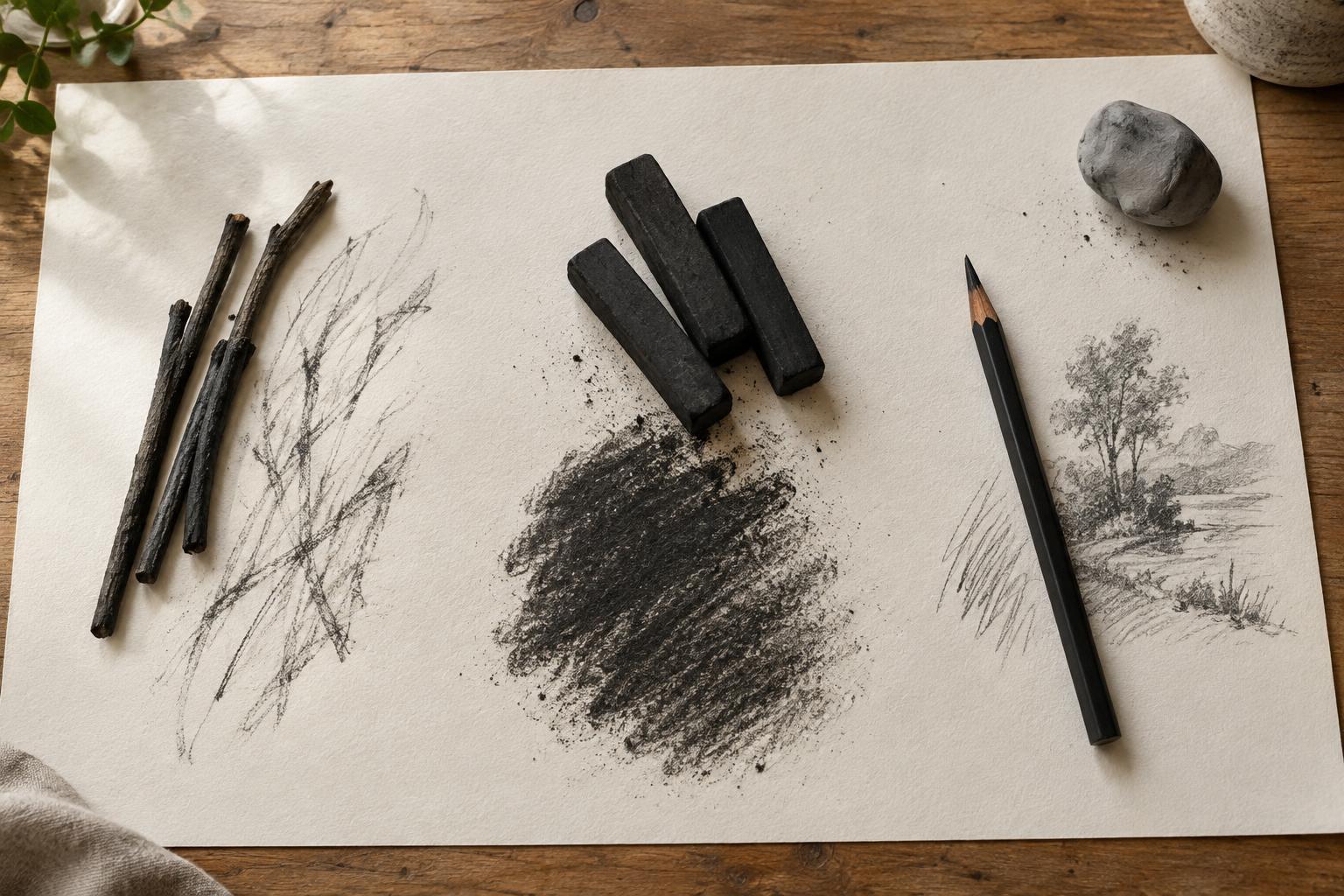
Artists' MaterialsCharcoal can make a faint sketch or a dense black mark, but the form you choose changes how it feels on the page. Learn how vine, compressed, and pencil charcoal compare, and when each is useful.
Read article · 4 min↗
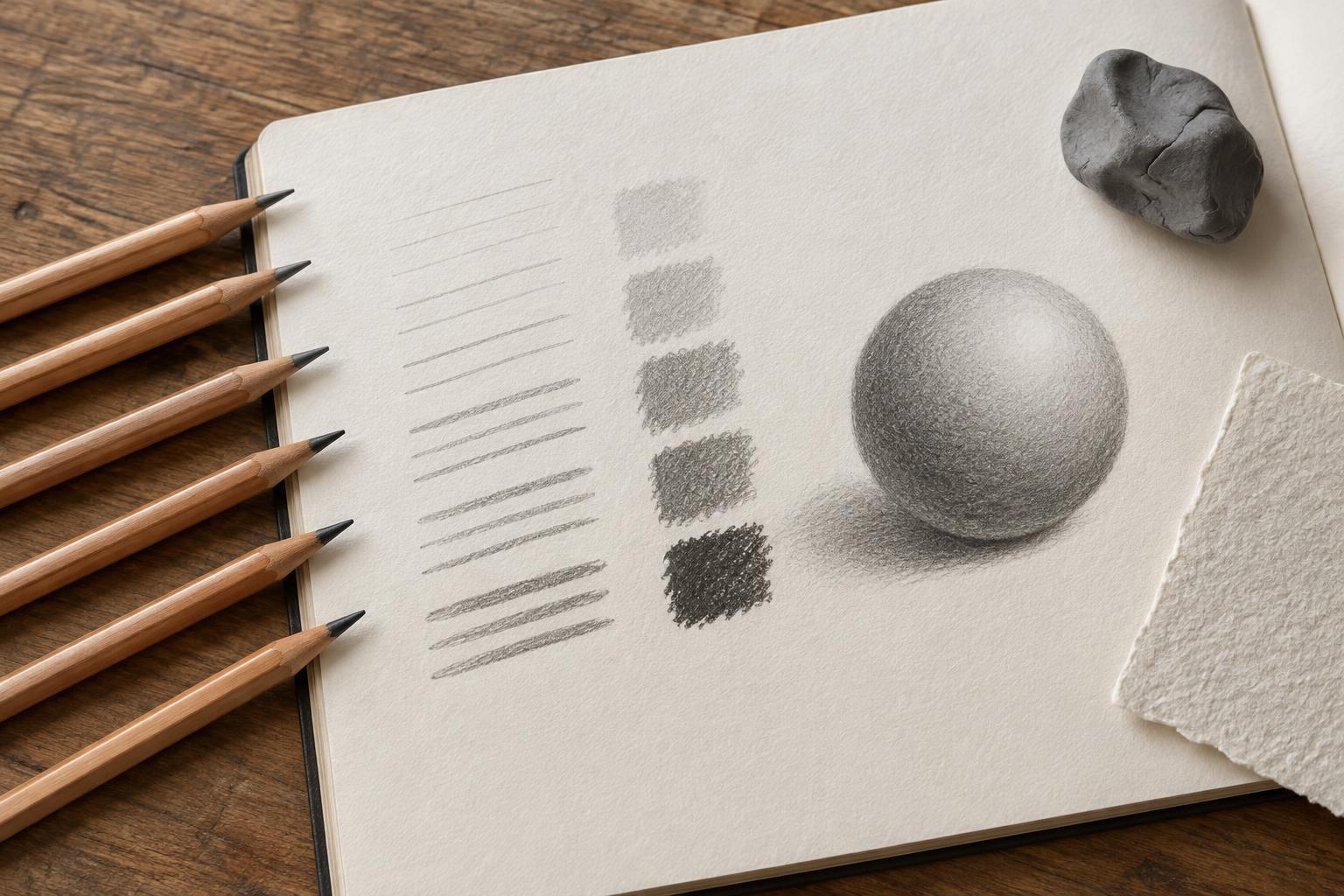
Artists' MaterialsA pencil marked 2H behaves differently from one marked 4B, but the labels are only a starting point. Learn how graphite grades affect line, tone and control, and how to build a small, useful set for your drawings.
Read article · 4 min↗
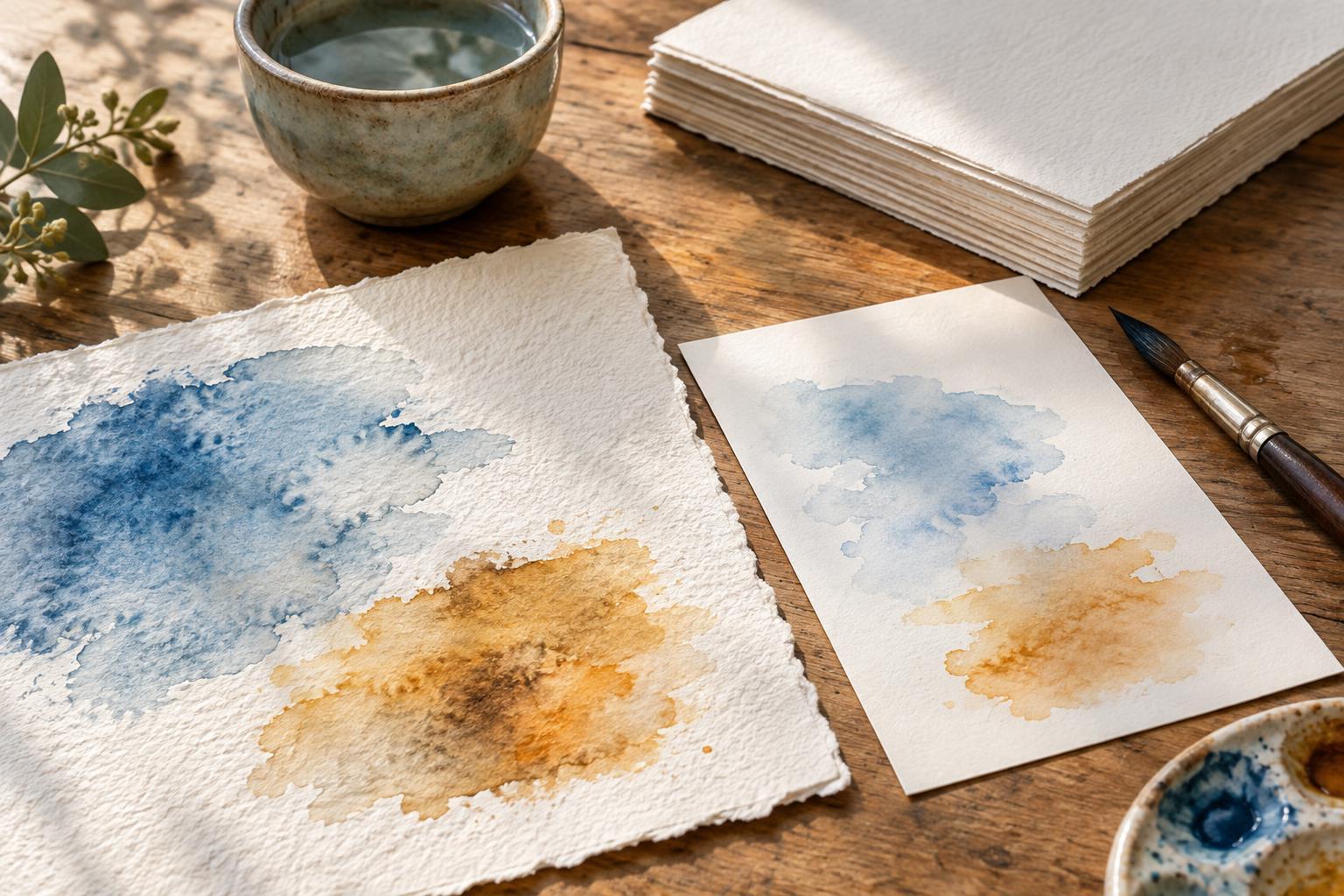
Artists' MaterialsWatercolor paper affects how paint flows, settles, and lifts. Learn what paper weight and sizing mean, how cotton and cellulose compare, and how to choose a sheet for the way you like to paint.
Read article · 4 min↗
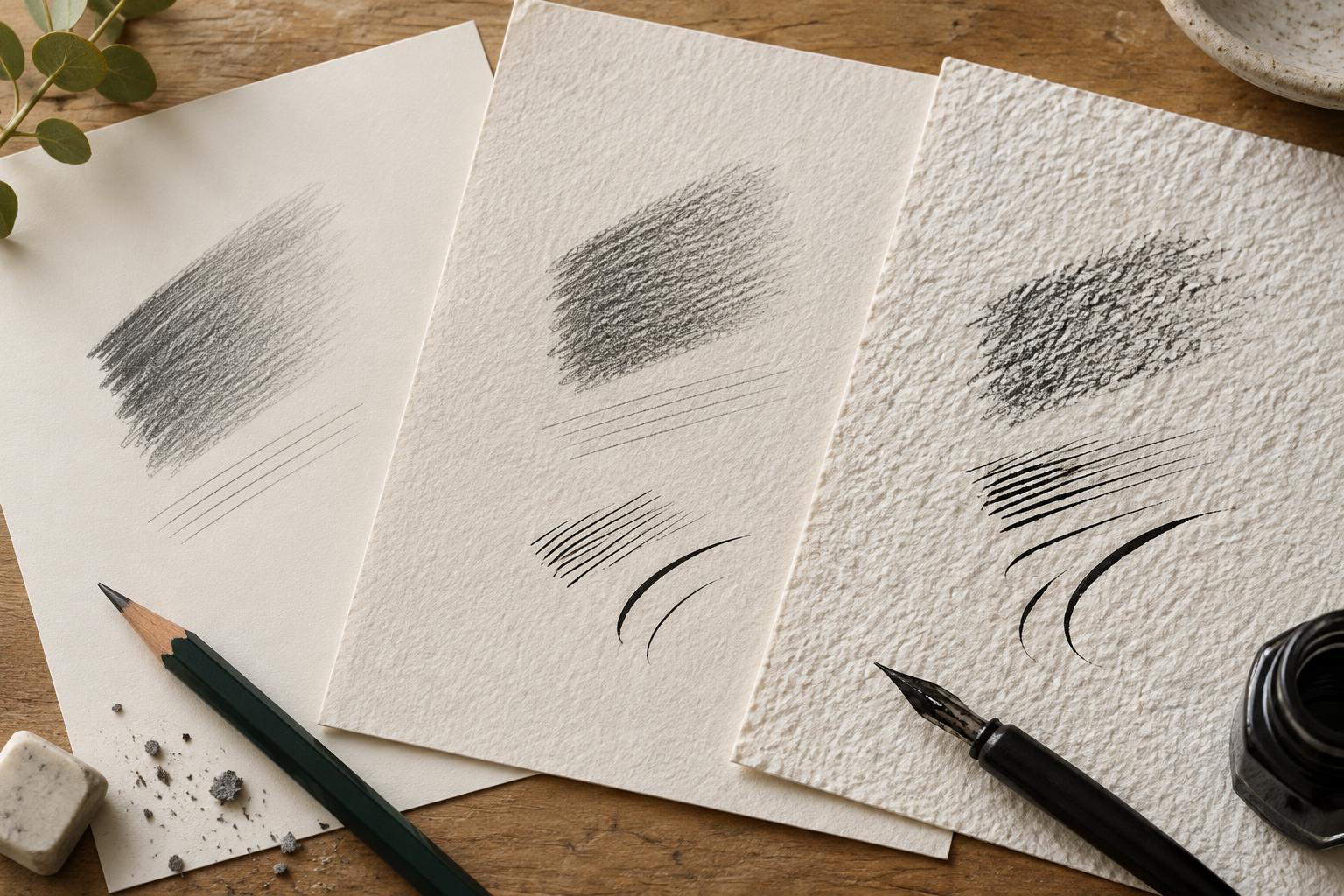
Artists' MaterialsPaper is more than a surface beneath a drawing. Its texture changes how pencil marks build, how ink lines appear, and how easily you can correct or layer your work. Learn what to look for when choosing a sheet and how to test it before starting a drawing.
Read article · 4 min↗