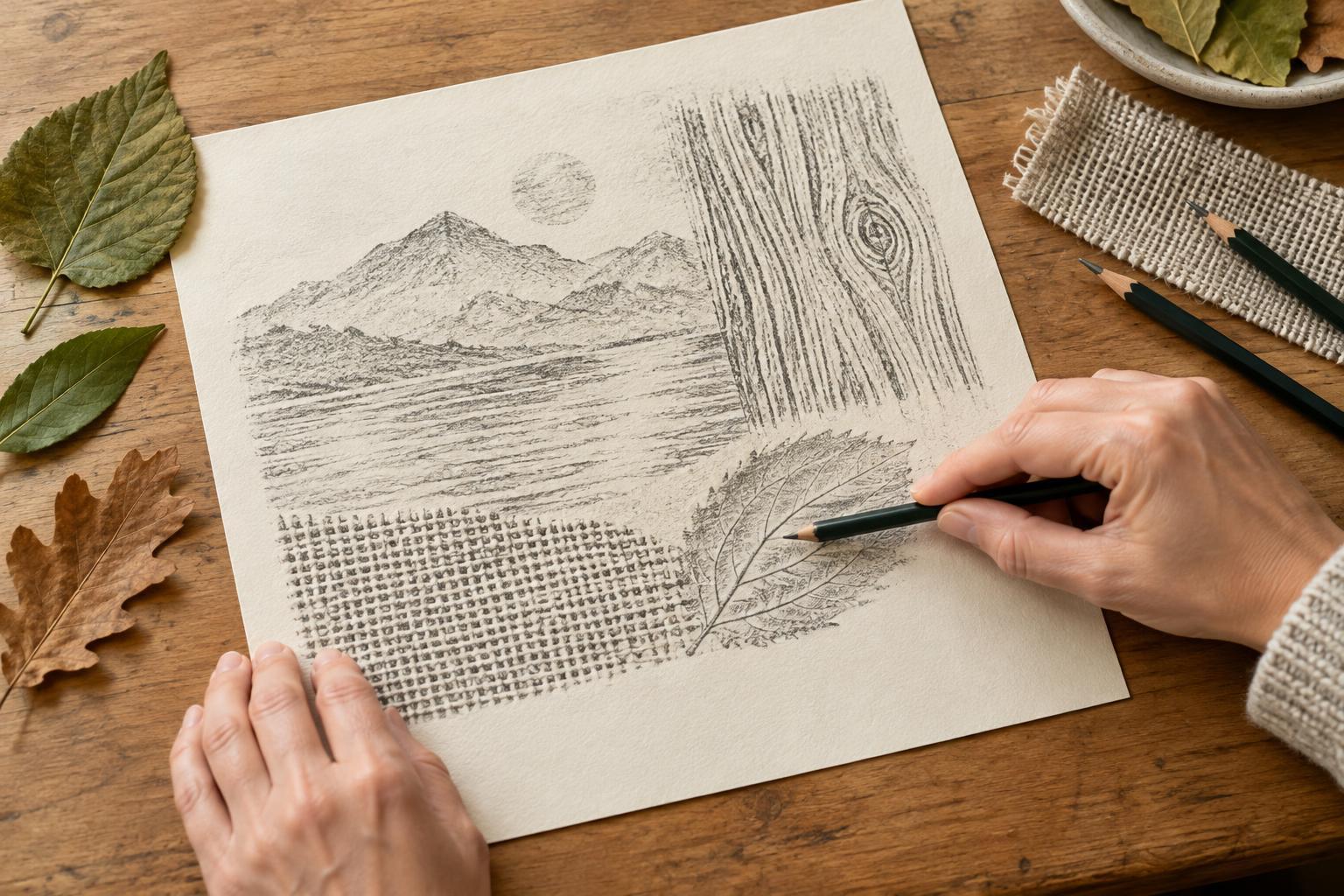
Creative TechniquesFrottage begins with a simple action: placing paper over a textured surface and rubbing to reveal its pattern. Learn how to choose surfaces, make clear rubbings and combine them into an image that feels like more than a collection of textures.
Read article · 4 min↗
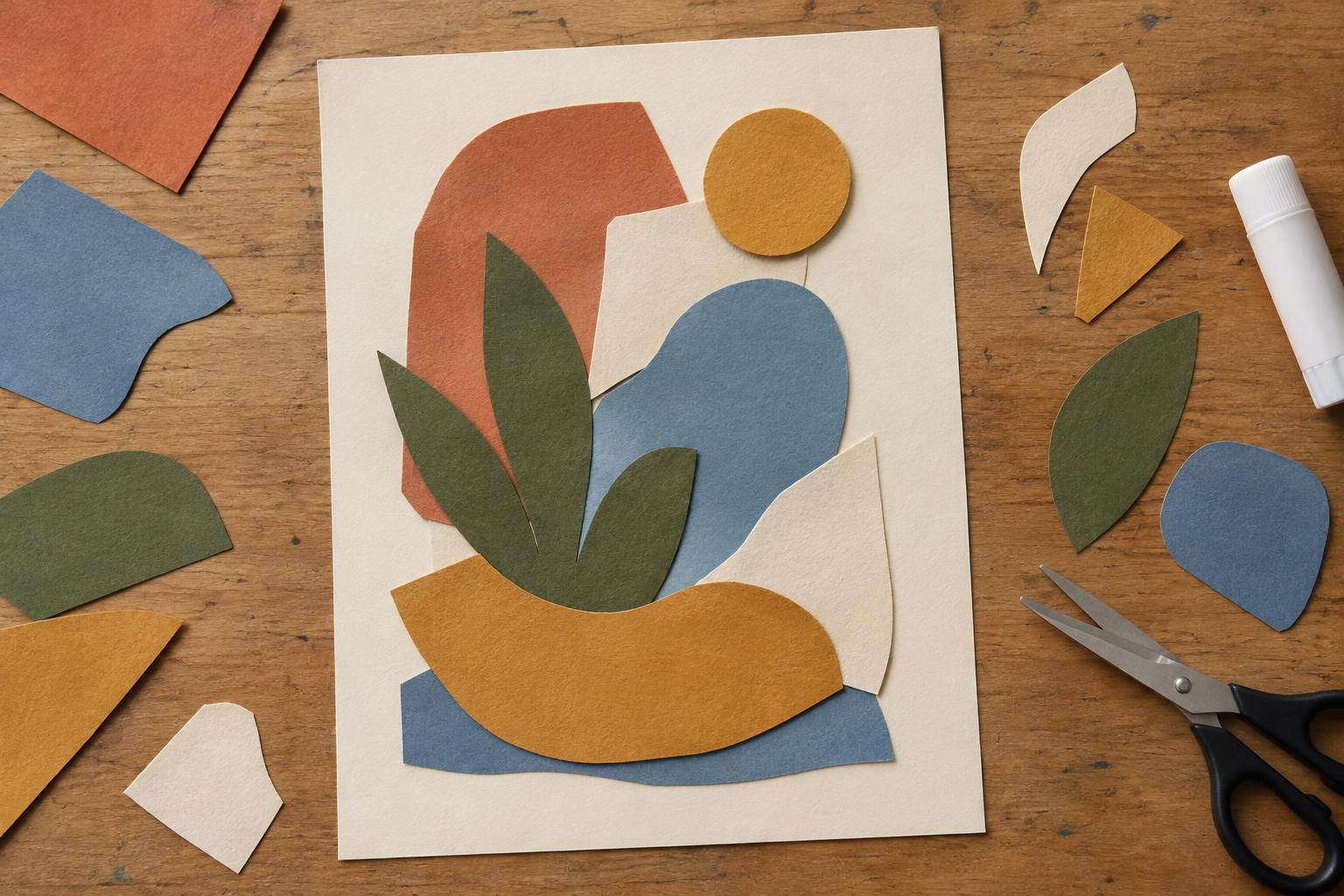
Creative TechniquesA paper collage can begin with a few sheets of colored paper and a simple idea. Learn how to cut shapes, arrange them in layers, and attach them to a background while keeping the composition flexible and expressive.
Read article · 4 min↗
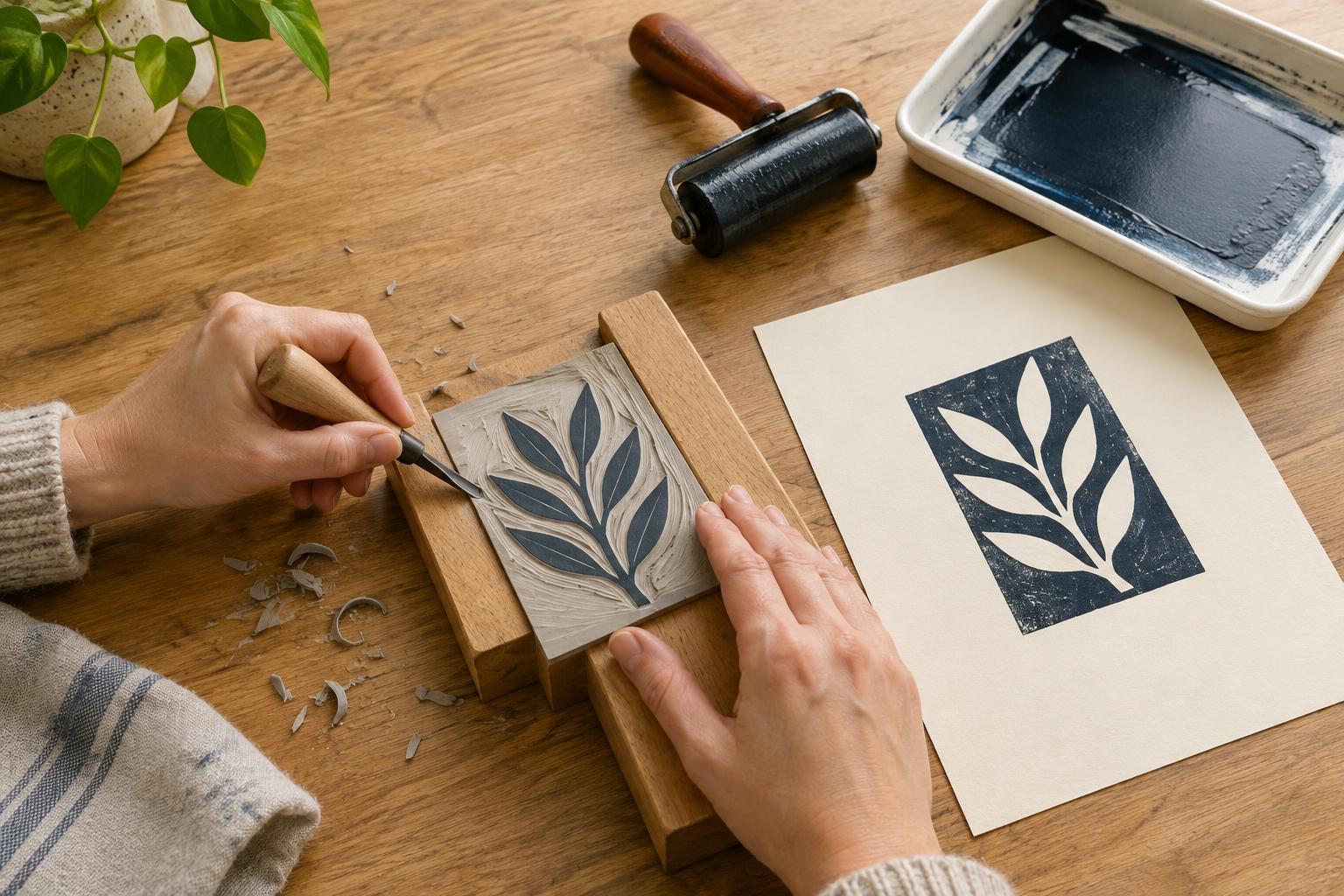
Creative TechniquesLearn how to turn a small drawing into a linocut print. This beginner guide covers choosing a design, setting up a safe carving space, cutting away the background, and making a first print by hand.
Read article · 4 min↗
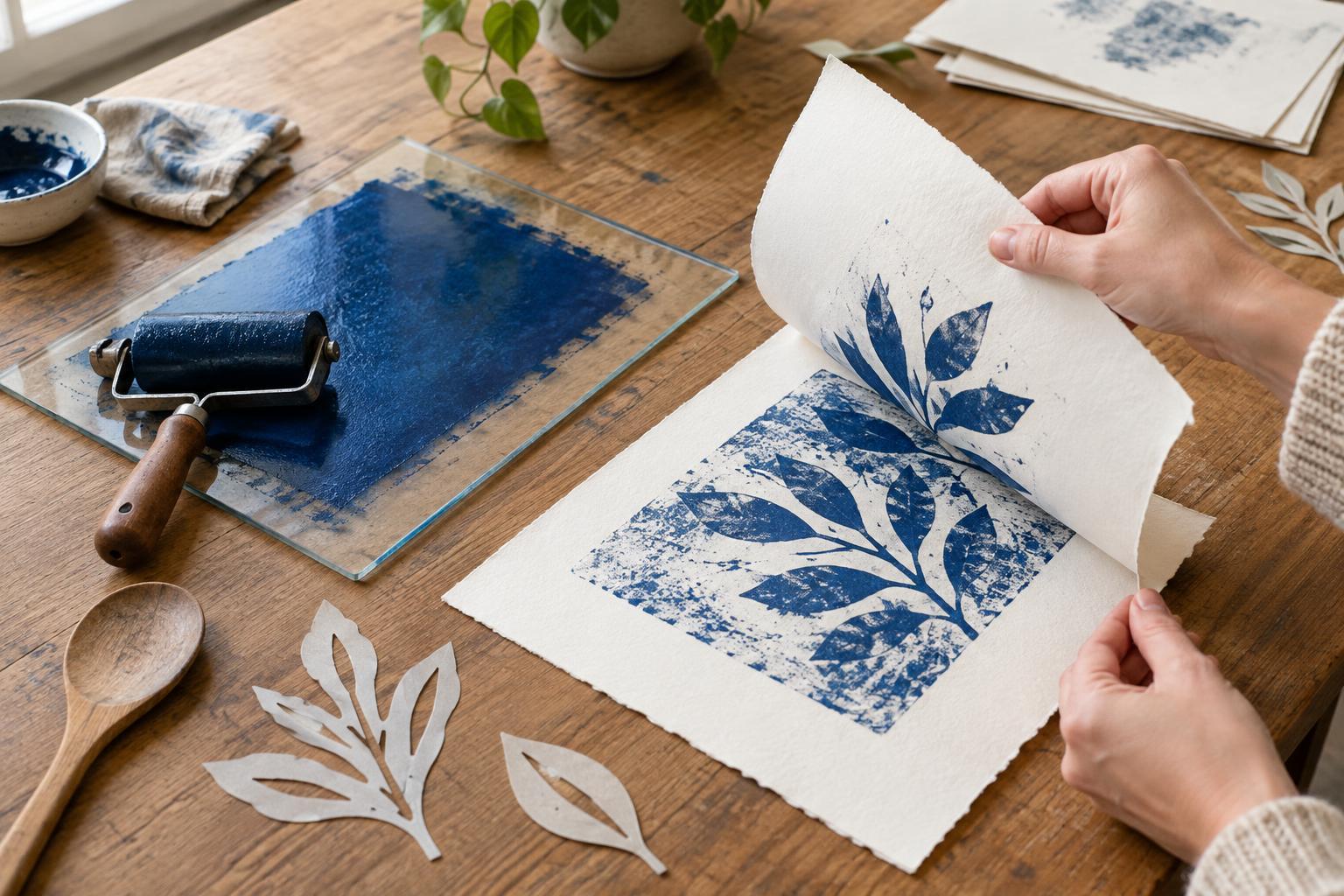
Creative TechniquesA monoprint needs only a smooth surface, a thin layer of ink and a sheet of paper. Learn a beginner-friendly method for pulling a print by hand, then experiment with texture, stencils and second impressions.
Read article · 4 min↗
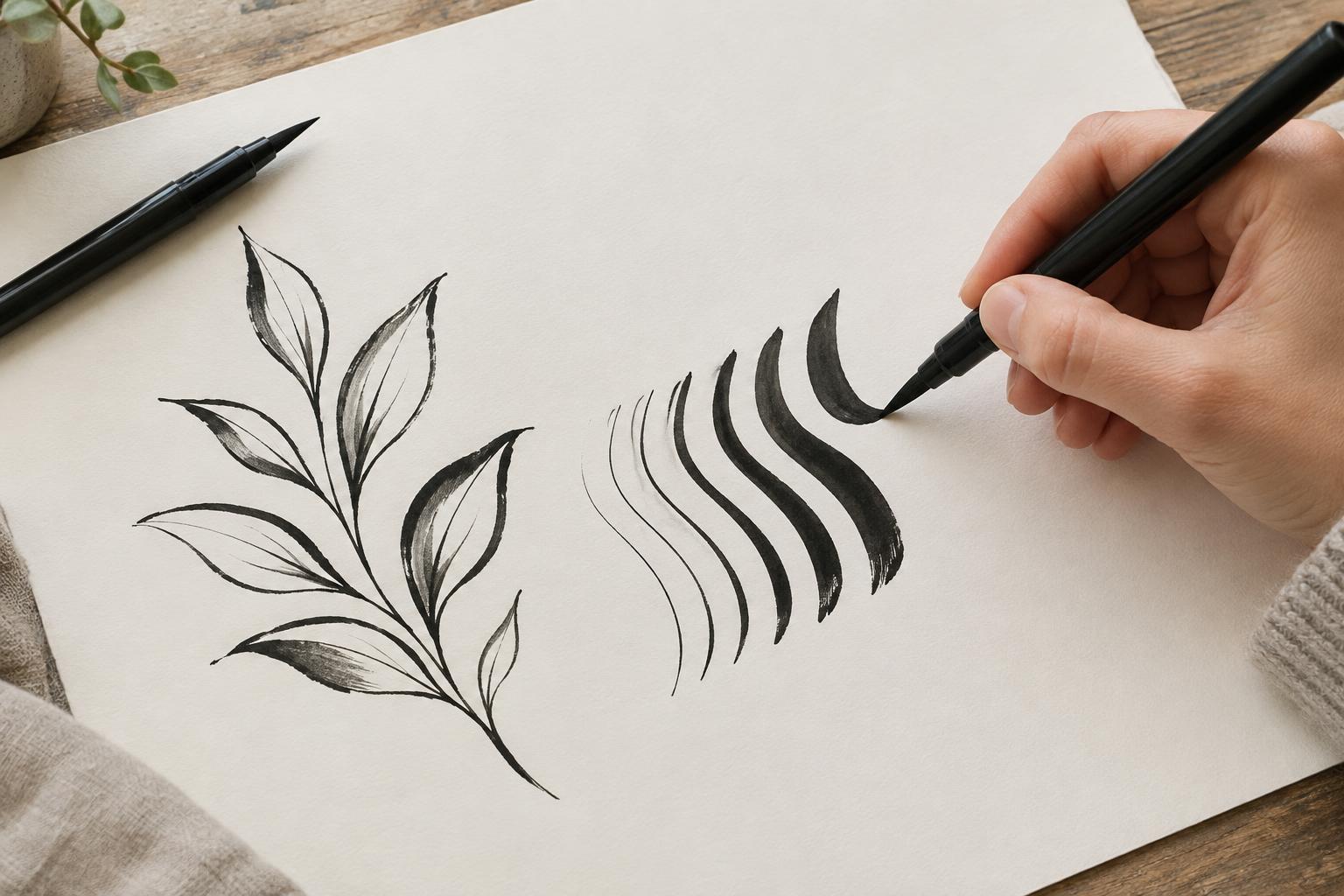
Creative TechniquesA brush pen can make both fine and broad marks without changing tools. Learn how pressure, pen angle and movement work together, then practice a few simple exercises to bring varied line weight into lettering and drawing.
Read article · 4 min↗
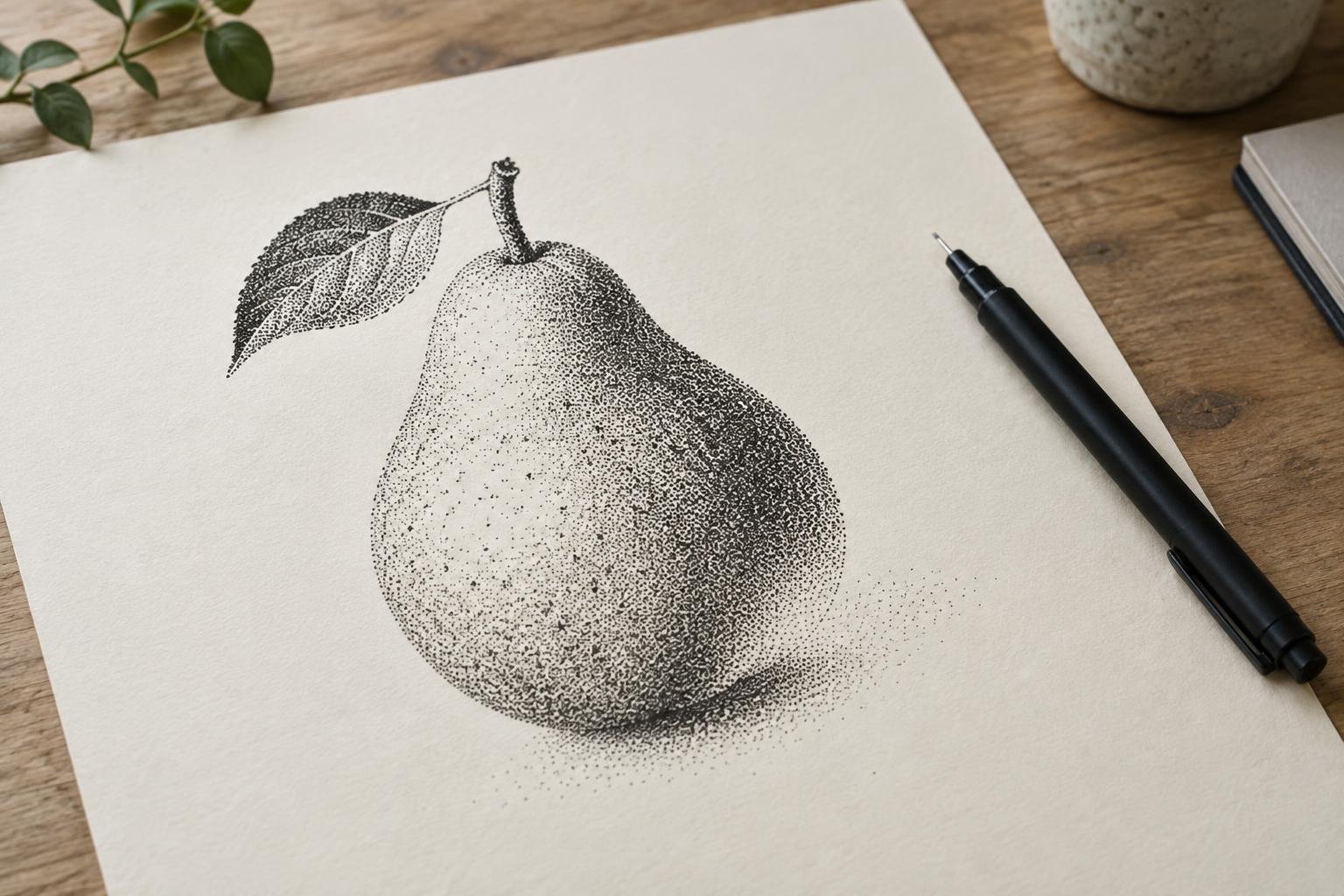
Creative TechniquesStippling builds light, shadow and texture from individual ink dots. Learn how to choose materials, plan a range of values and develop a drawing without losing the clarity of its marks.
Read article · 4 min↗
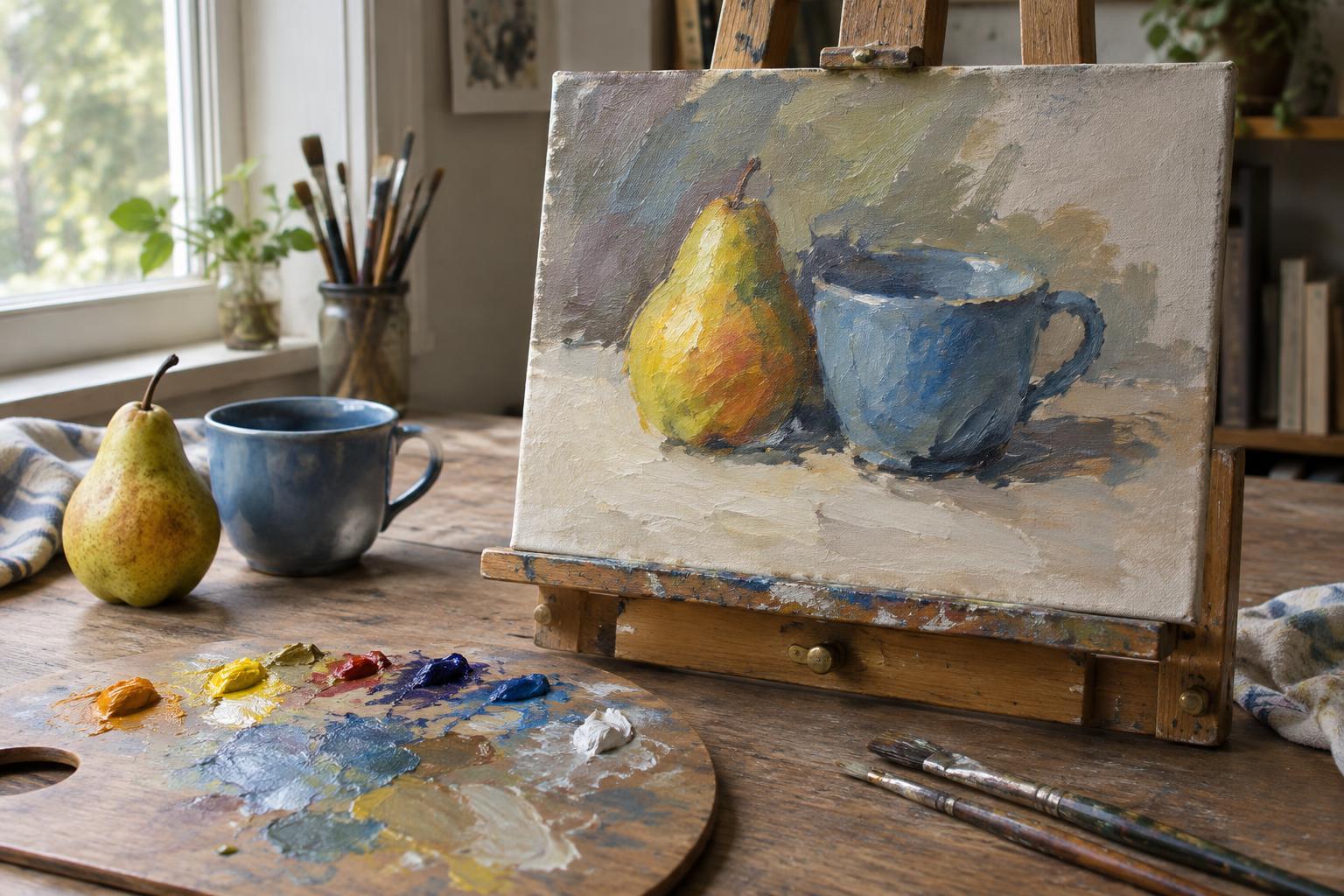
Creative TechniquesAlla prima painting brings an image together while its oil paint is still workable. Learn how to prepare a surface, establish a simple composition, mix clean colors and use wet paint to shape edges and texture.
Read article · 4 min↗
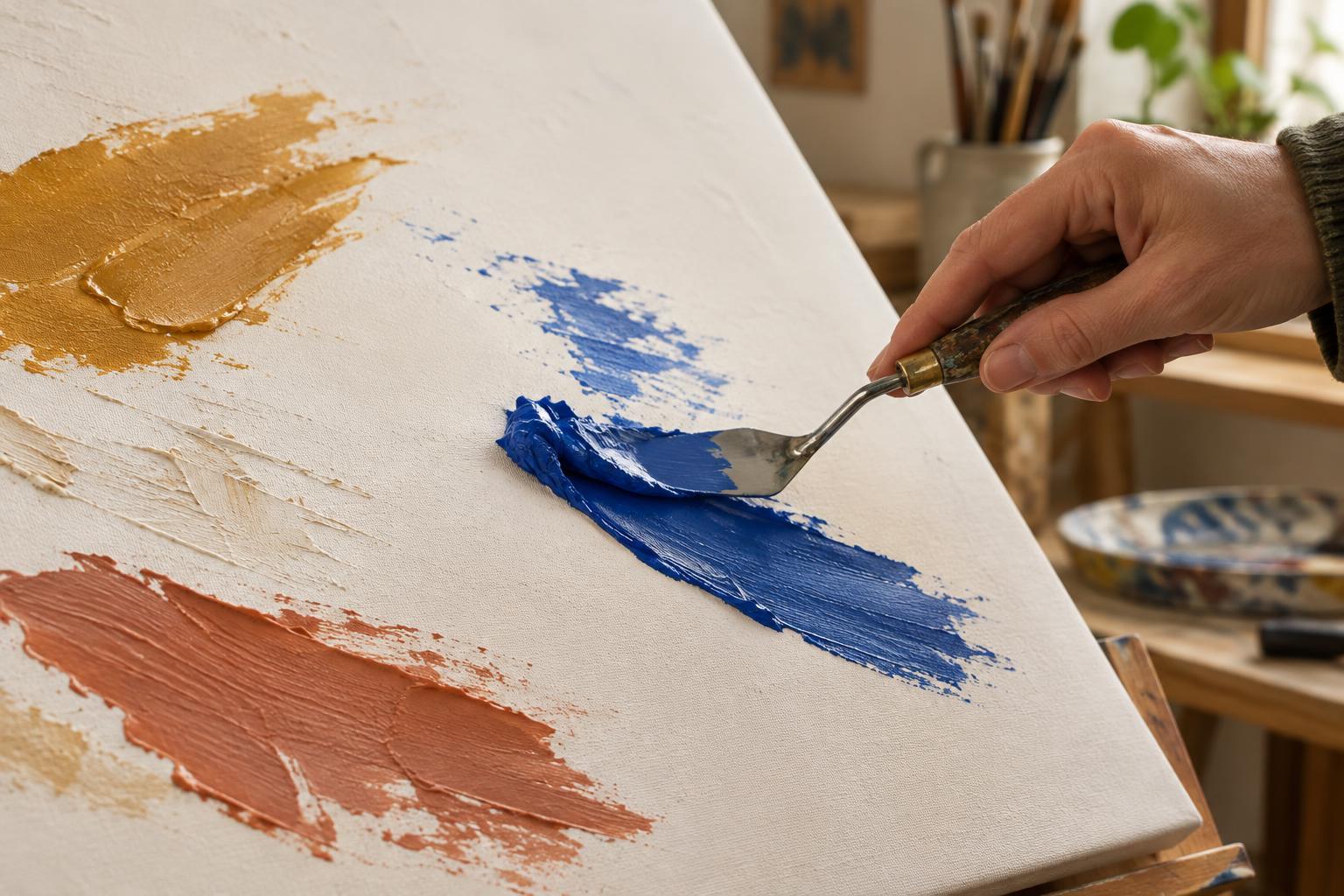
Creative TechniquesA palette knife can turn a small amount of paint into a ridge, scrape or broad sweep. Learn how to choose a knife, load it, vary your pressure and build texture while keeping the marks clear.
Read article · 4 min↗
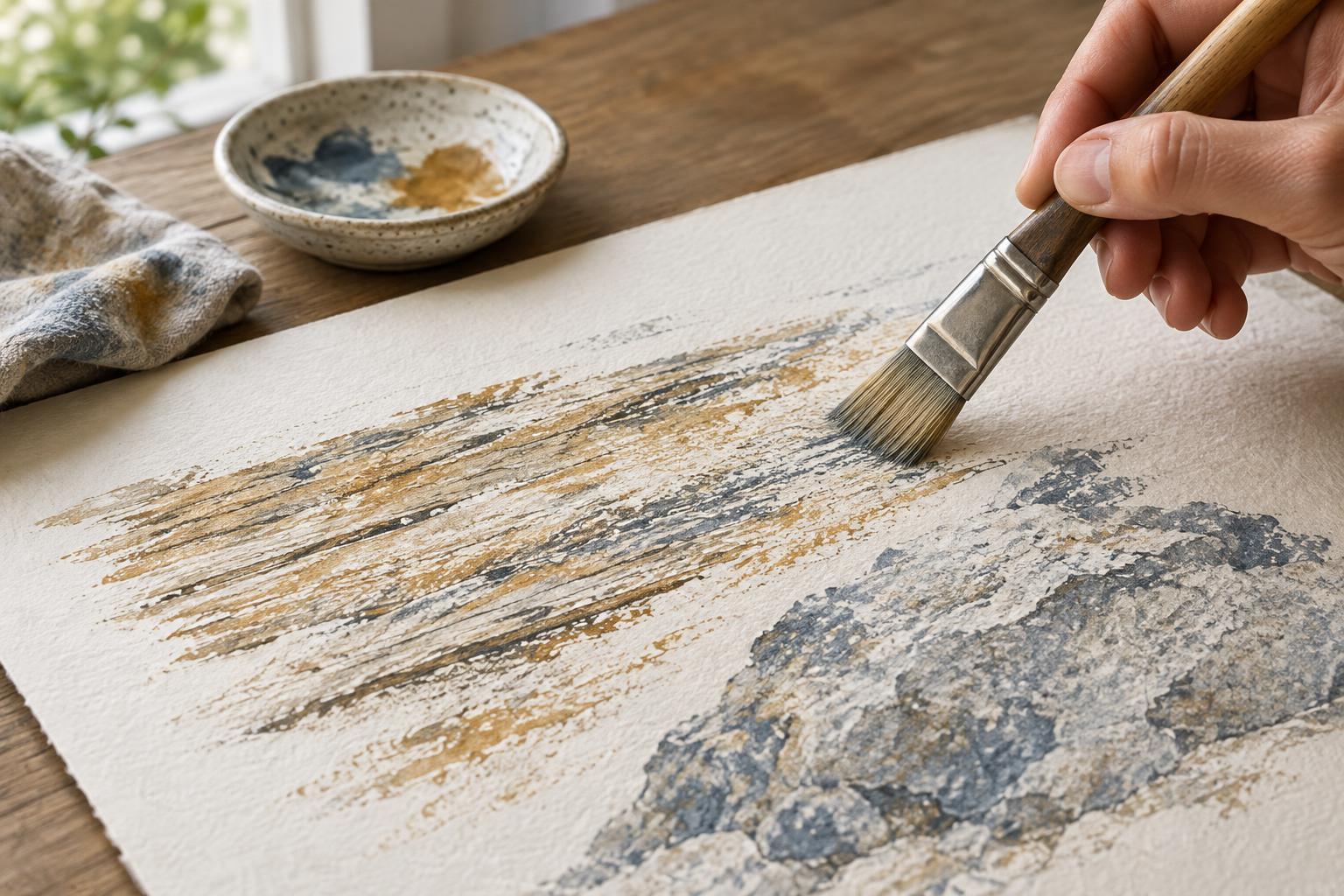
Creative TechniquesA dry brush can suggest rough stone, weathered wood, grass or soft fabric without painting every detail. Learn how to control the paint load, choose a surface and build texture in layers.
Read article · 4 min↗
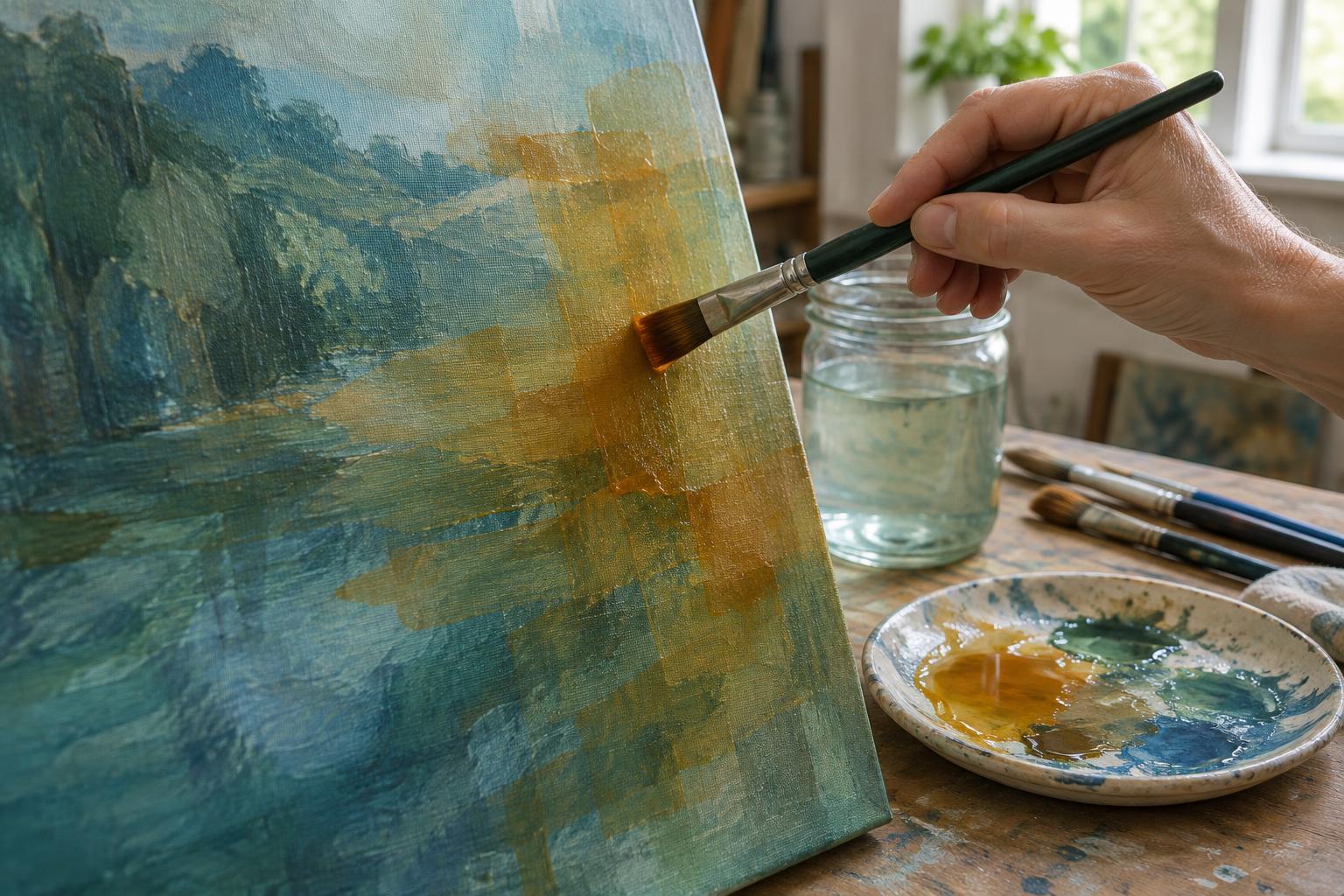
Creative TechniquesAcrylic glazing builds color through thin, transparent layers rather than one heavy coat. Learn how to choose colors, mix a workable glaze, let each layer dry, and use the technique to add depth, warmth, and subtle shifts to a painting.
Read article · 4 min↗
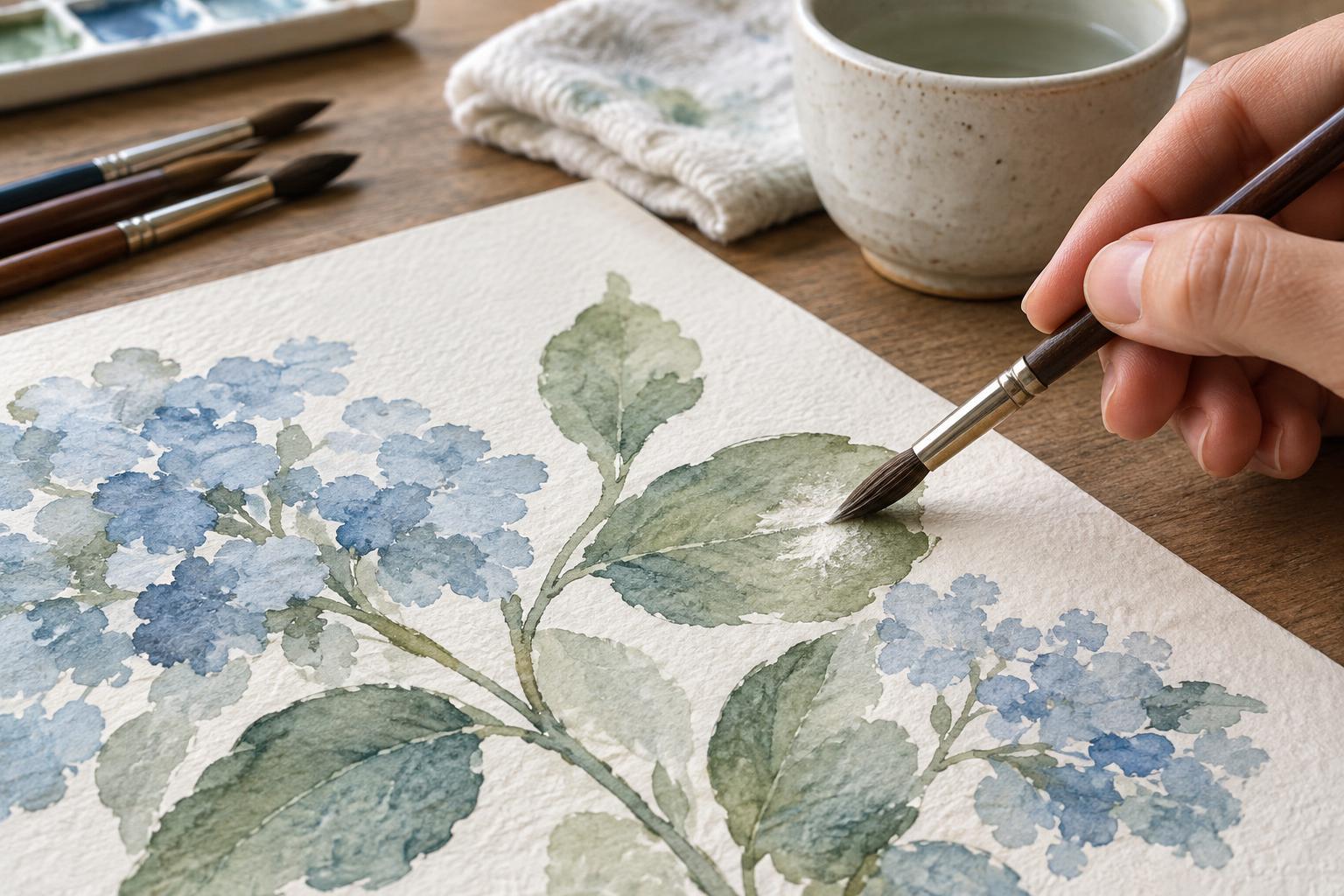
Creative TechniquesA highlight that has disappeared under a watercolor wash is not always lost. Learn when paint is easiest to lift, how to work gently on wet and dry paper, and what to do when a clean white cannot be recovered.
Read article · 4 min↗
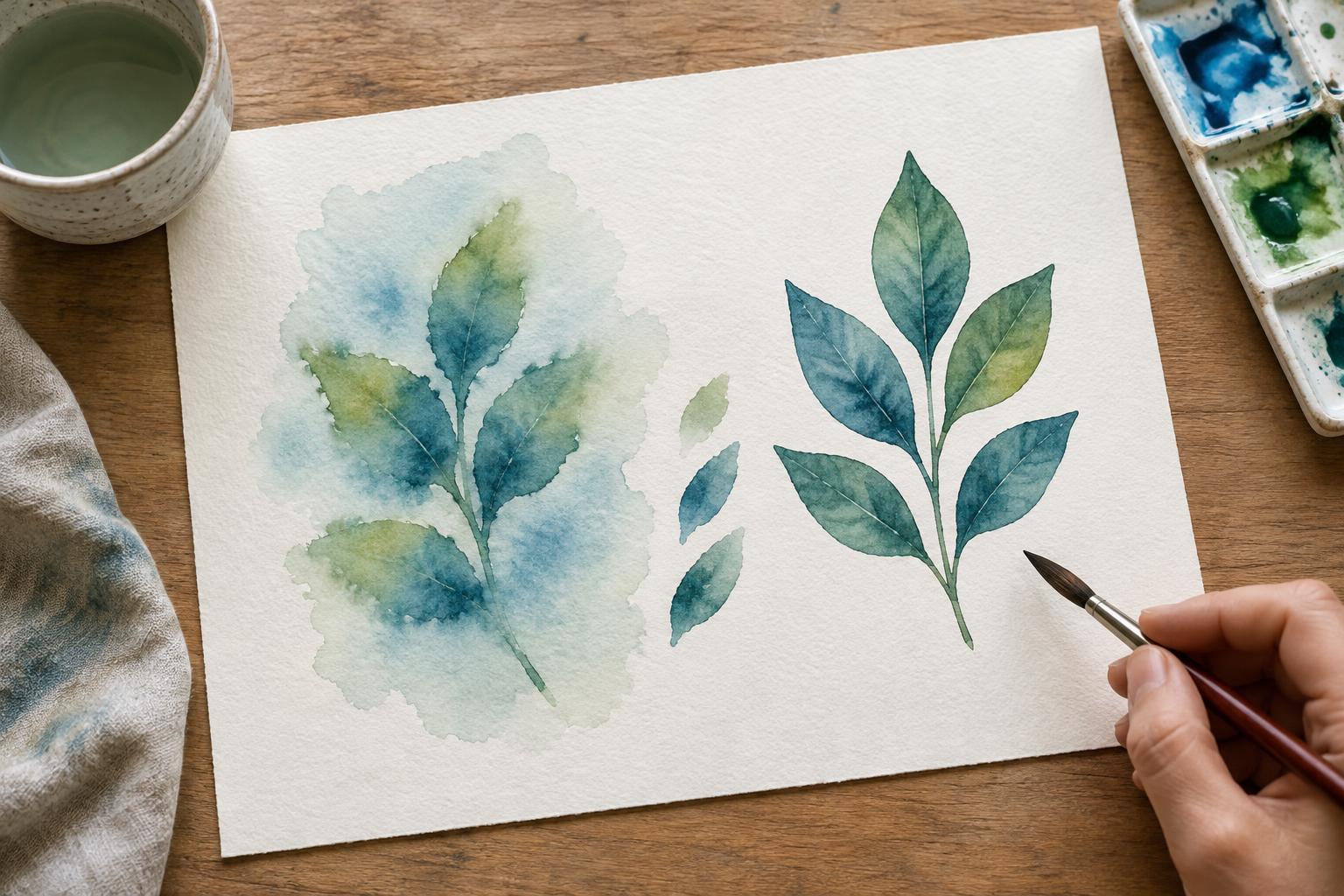
Creative TechniquesA watercolor edge can be soft, sharp or somewhere in between. Learn how wet-on-wet and wet-on-dry painting affect those edges, how to judge the moisture on your paper, and how to practice both approaches with a simple study.
Read article · 4 min↗
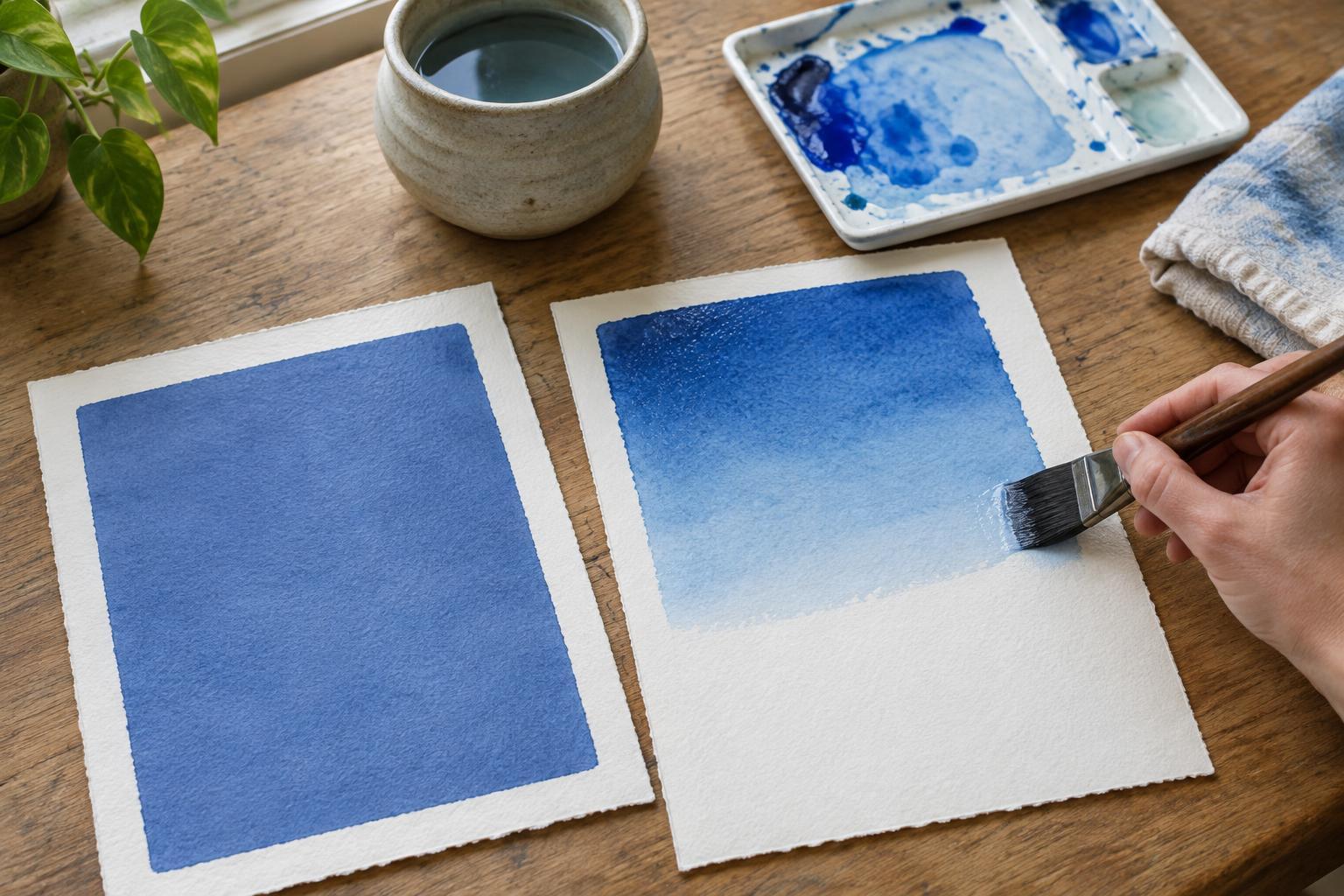
Creative TechniquesA flat wash gives an area of watercolor an even tone; a graded wash moves smoothly from dark to light. Learn how to prepare your paper, control the moving edge of paint, and practice both techniques with confidence.
Read article · 4 min↗
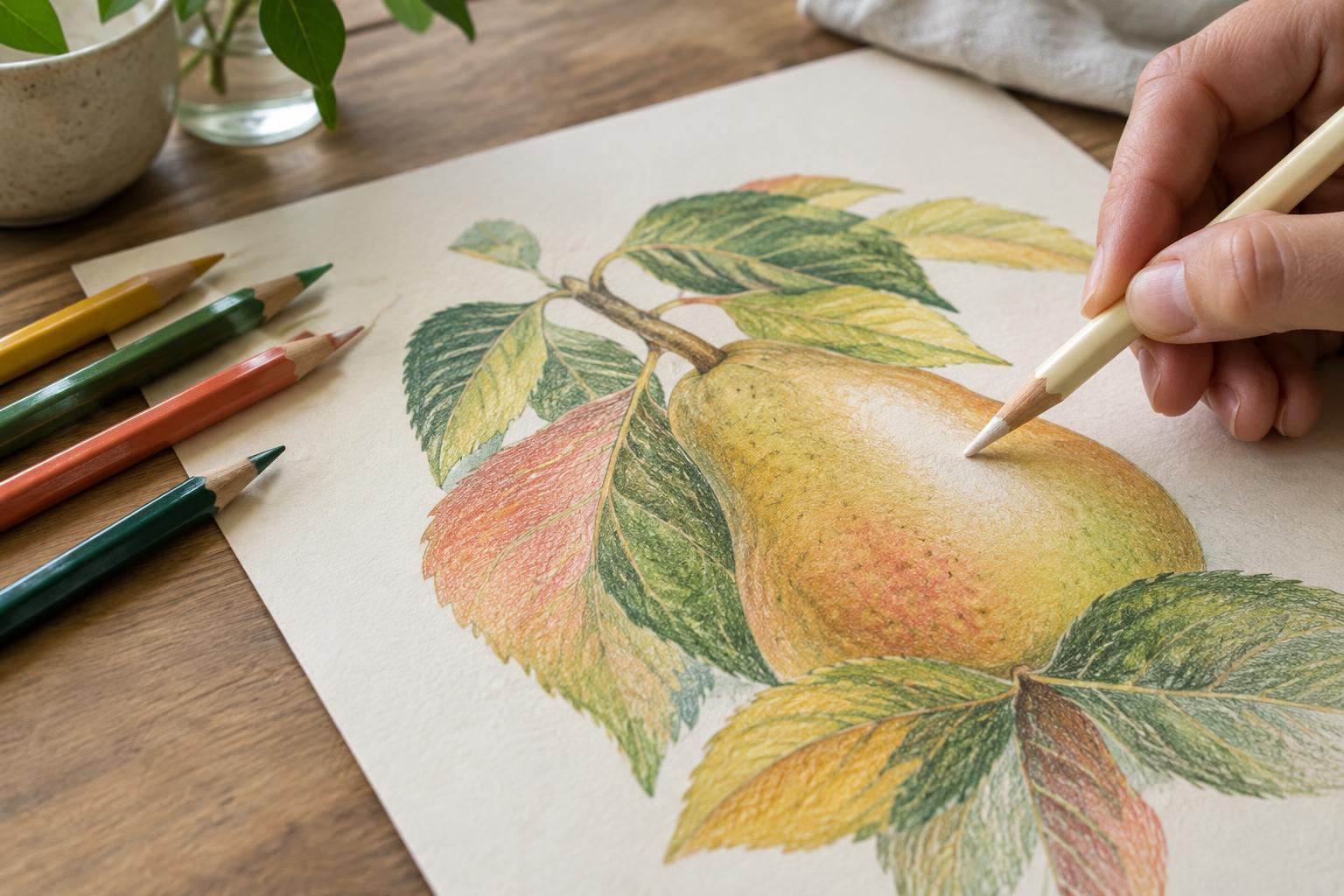
Creative TechniquesColored pencil can produce rich, luminous color through careful layering. Learn how to preserve clear hues, use the paper’s texture to your advantage, and burnish at the right time without flattening every detail.
Read article · 4 min↗
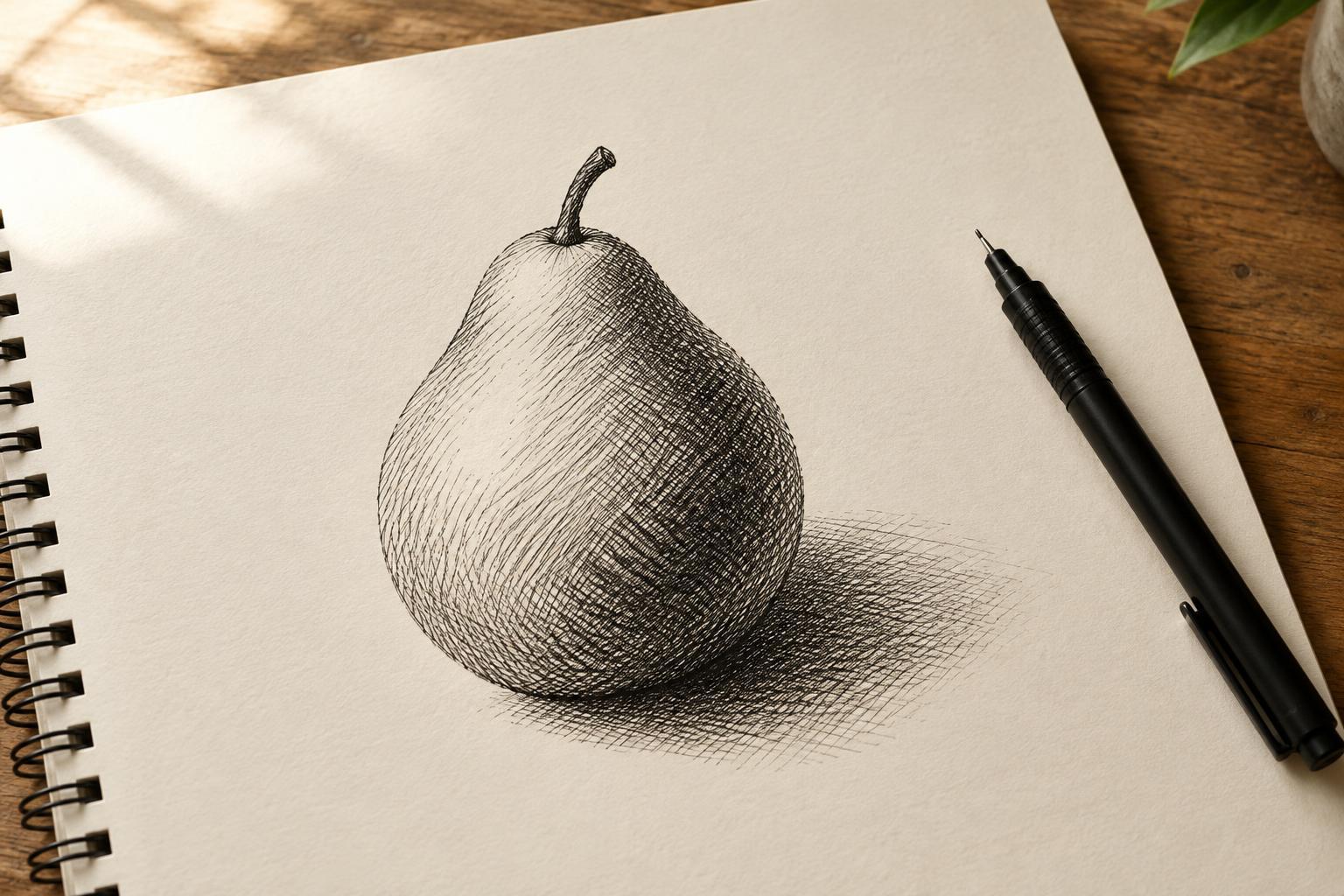
Creative TechniquesA practical guide to building light, shadow and texture with repeated lines. Learn how line spacing, direction and overlapping layers can give a drawing depth without relying on smooth shading.
Read article · 4 min↗
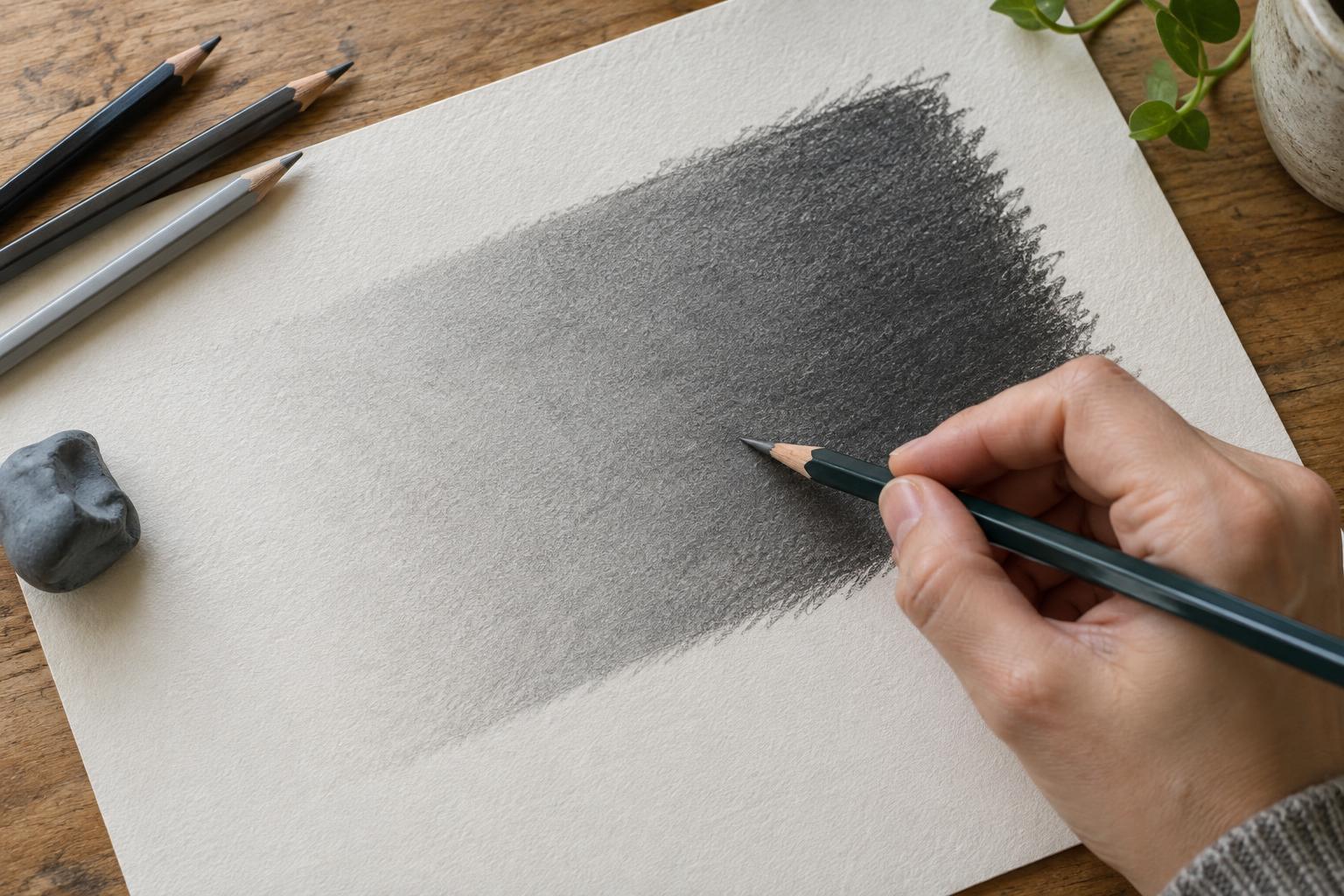
Creative TechniquesSmooth graphite shading comes from planning your lightest and darkest values, then building the tones between them in gentle layers. Learn how to control pressure, pencil choice and transitions without losing the texture of your paper.
Read article · 4 min↗
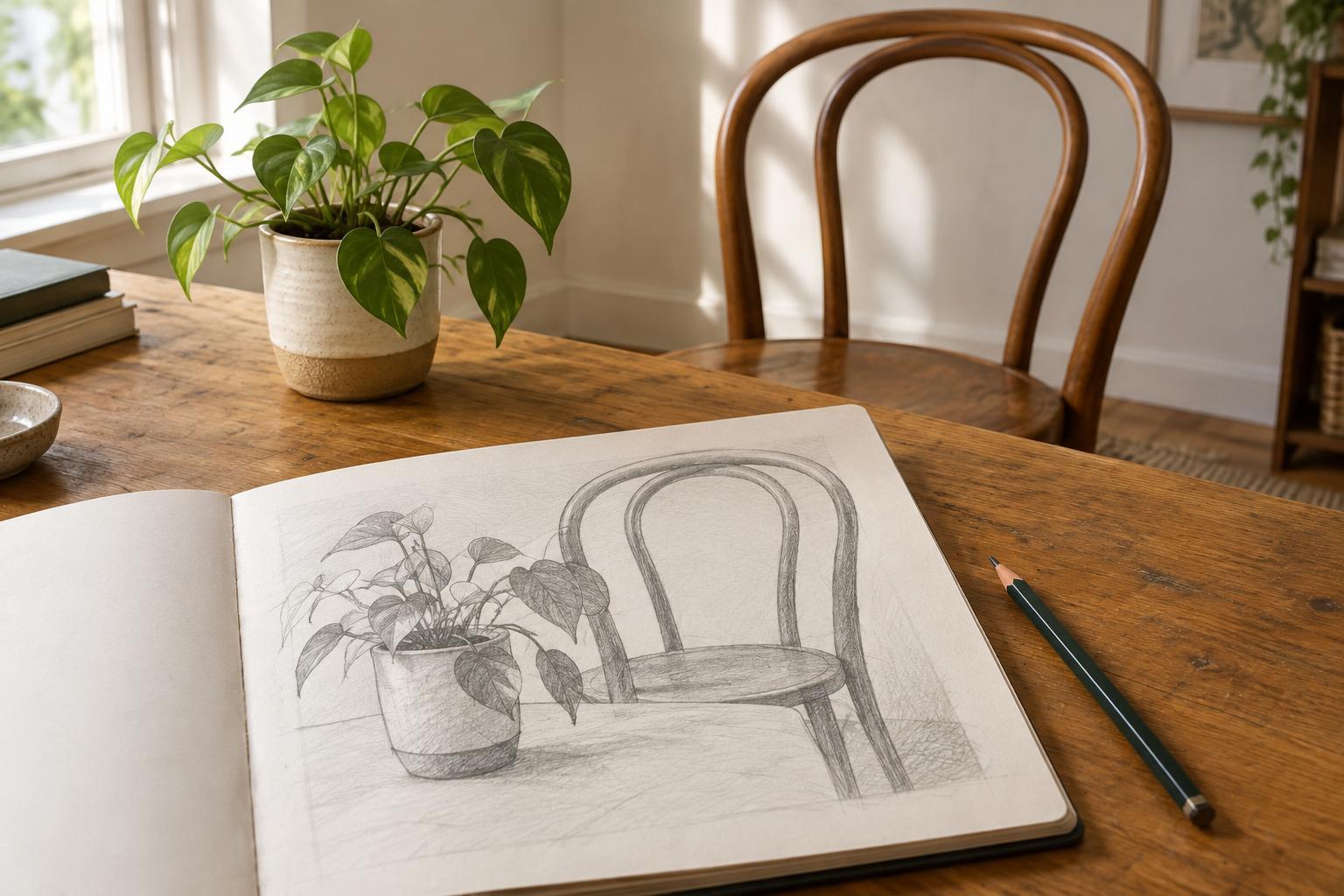
Creative TechniquesWhen an object is hard to draw, try looking at the empty shapes around it. This guide shows how to use negative space to check placement, proportion and angles in an observational drawing.
Read article · 4 min↗
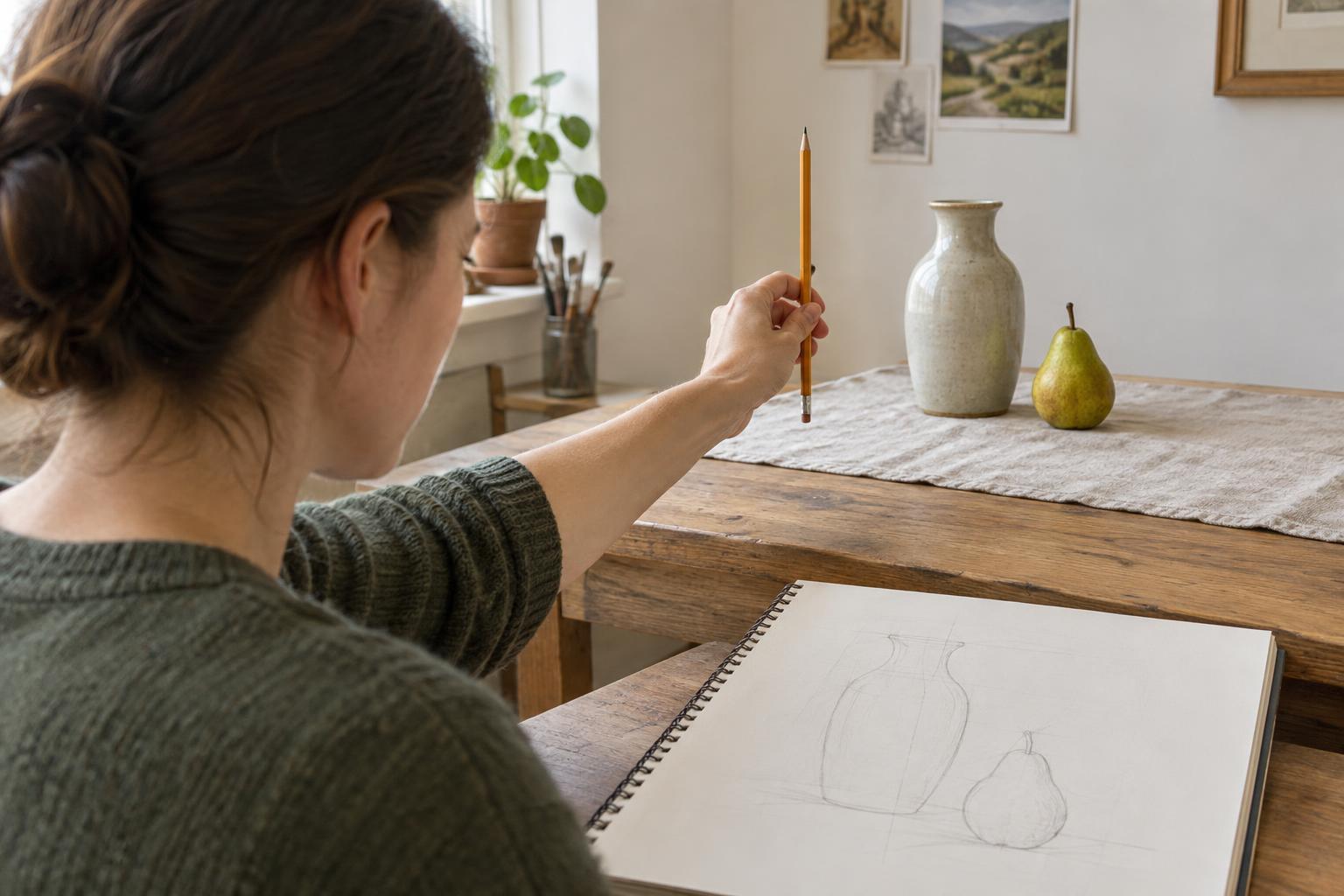
Creative TechniquesA practical guide to comparing heights, widths, angles and spaces while drawing what you see. Learn how to use a pencil as a measuring tool, establish a reliable reference and check proportions before adding detail.
Read article · 4 min↗
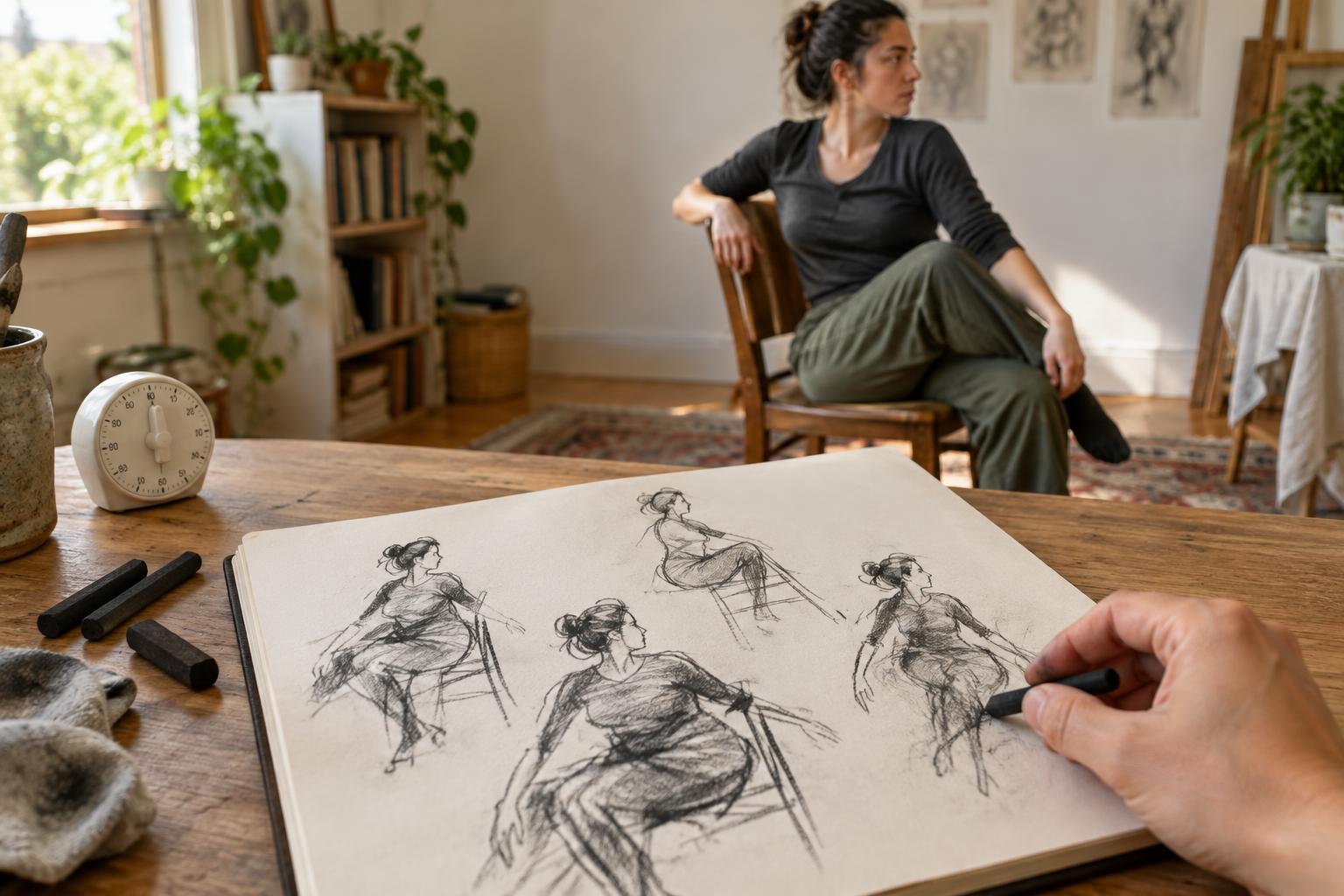
Creative TechniquesA two-minute gesture drawing is not a race to finish a figure. It is a way to notice movement, weight and the relationship between major forms. Learn a simple timed approach that keeps your marks loose and your attention on the whole pose.
Read article · 4 min↗
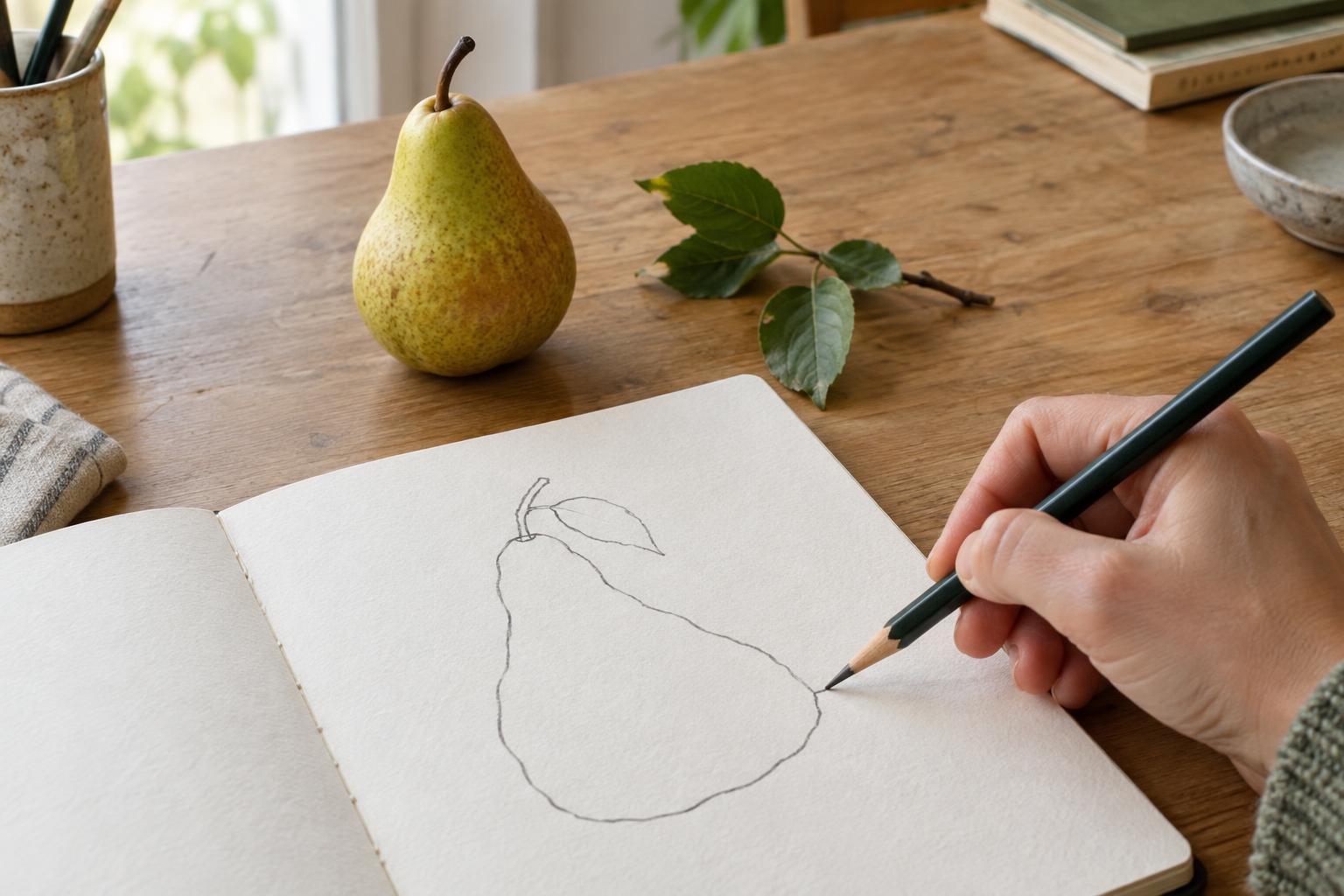
Creative TechniquesContour drawing helps you slow down and observe the shape of what you see. Learn the difference between blind and modified contour drawing, set up a simple practice, and use unexpected lines to notice more rather than judge your results.
Read article · 4 min↗