Two questions about size
Scale and proportion are closely related, which makes them easy to confuse. Scale asks how large something is compared with a reference: a person, a room, a page or another familiar object. A tiny chair in a large gallery has a different scale from a chair of the same shape in a dollhouse. The surrounding context changes how we experience its size.
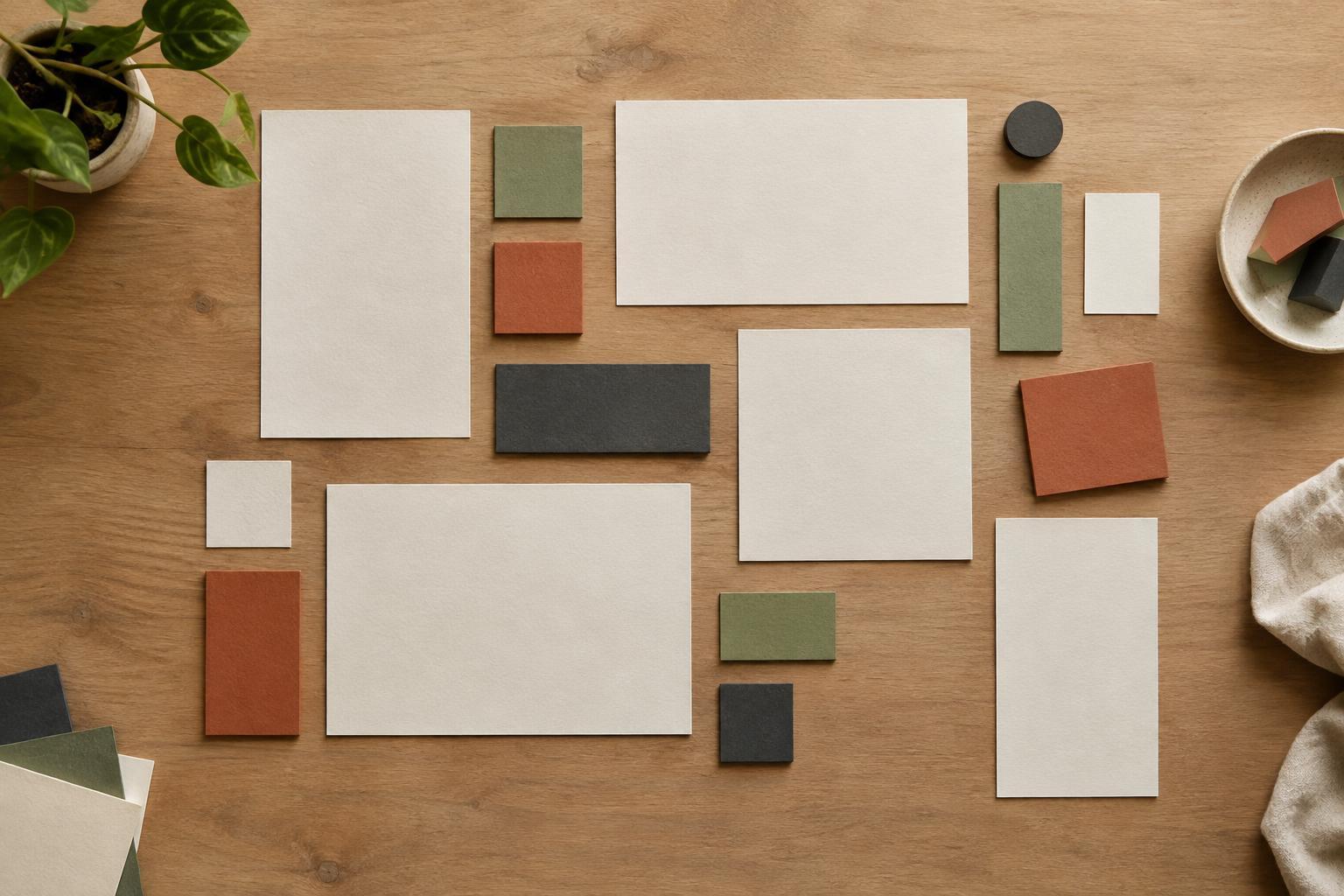
Proportion asks how the parts relate to one another or to the whole. The height of a chair back compared with its seat is a question of proportion. So is the width of a picture’s border compared with the image inside it. You can describe these relationships even when you do not know the object’s actual dimensions.
A simple way to remember the distinction is to ask two questions: “How big does it feel here?” for scale, and “How do its parts fit together?” for proportion. Neither has one correct answer in every design. Both are tools for making deliberate choices.
How context changes scale
A shape can feel imposing on a small page and quiet on a large wall. In a drawing, a tree that fills most of the frame may seem monumental even if no measurements are given. Add a small figure beside it, and the figure becomes a reference that strengthens that impression. Remove the figure, and the viewer may have less certainty about the tree’s apparent size.
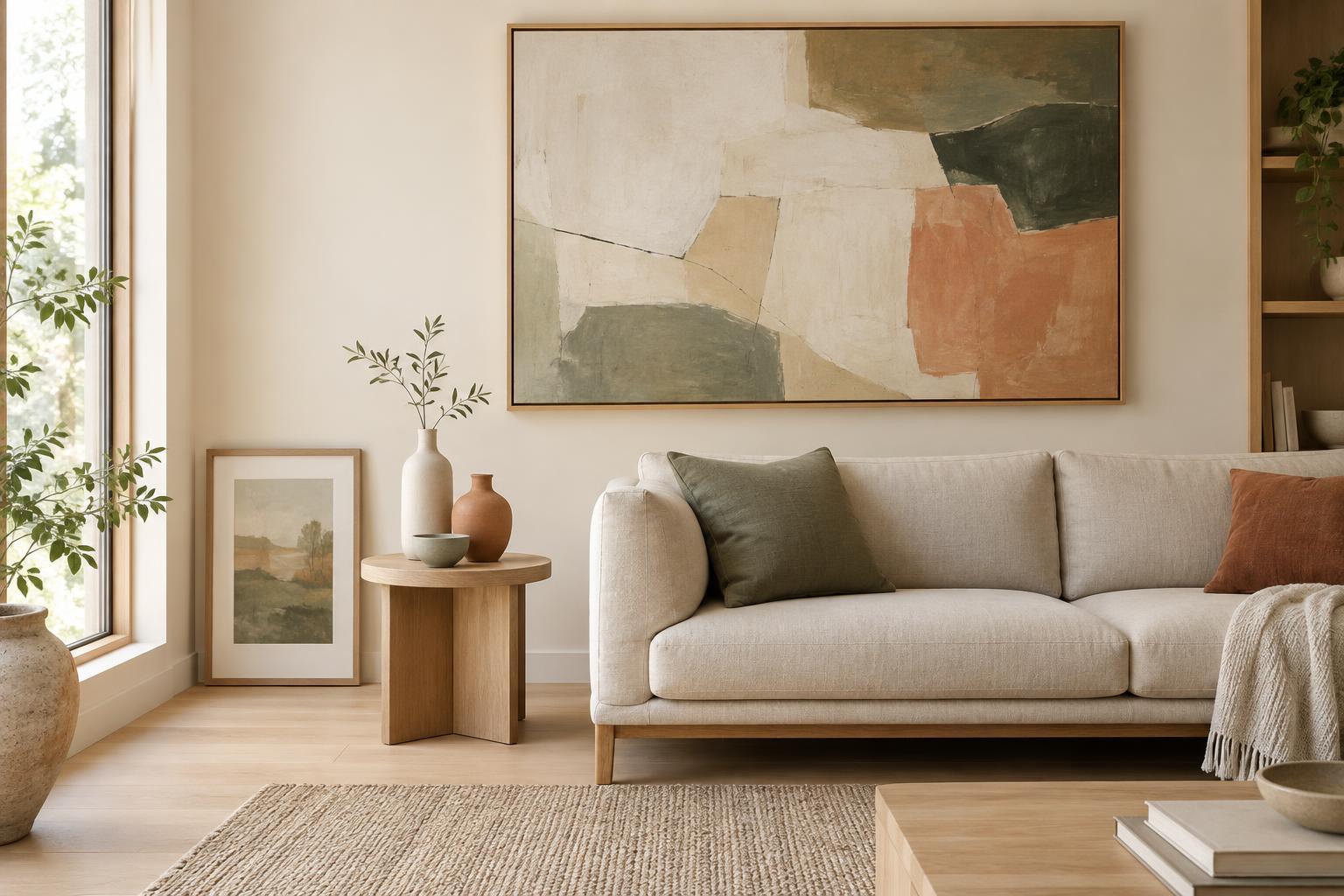
This is why scale matters when moving a design from one setting to another. A title that looks bold on a phone screen may feel modest on a poster. A painting that commands attention when viewed alone may recede when placed above a wide sofa. Rather than judging an object only in isolation, look at it from the distance and position at which people are likely to encounter it.
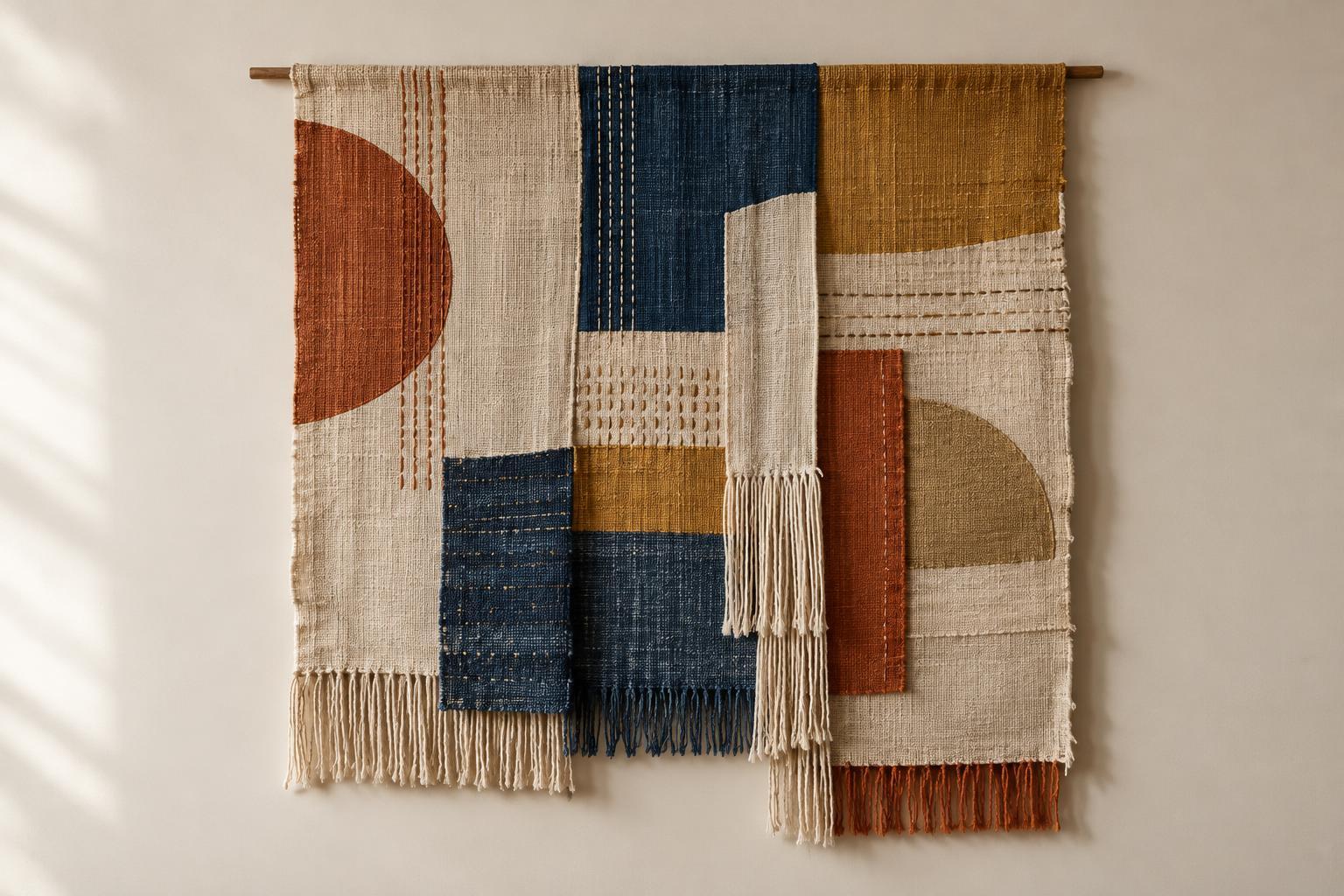
Scale can also set a mood. Oversized elements often demand attention, while small ones may invite a closer look. These are possibilities, not rules: color, contrast, placement and surrounding space can change the effect.
How proportion shapes a whole
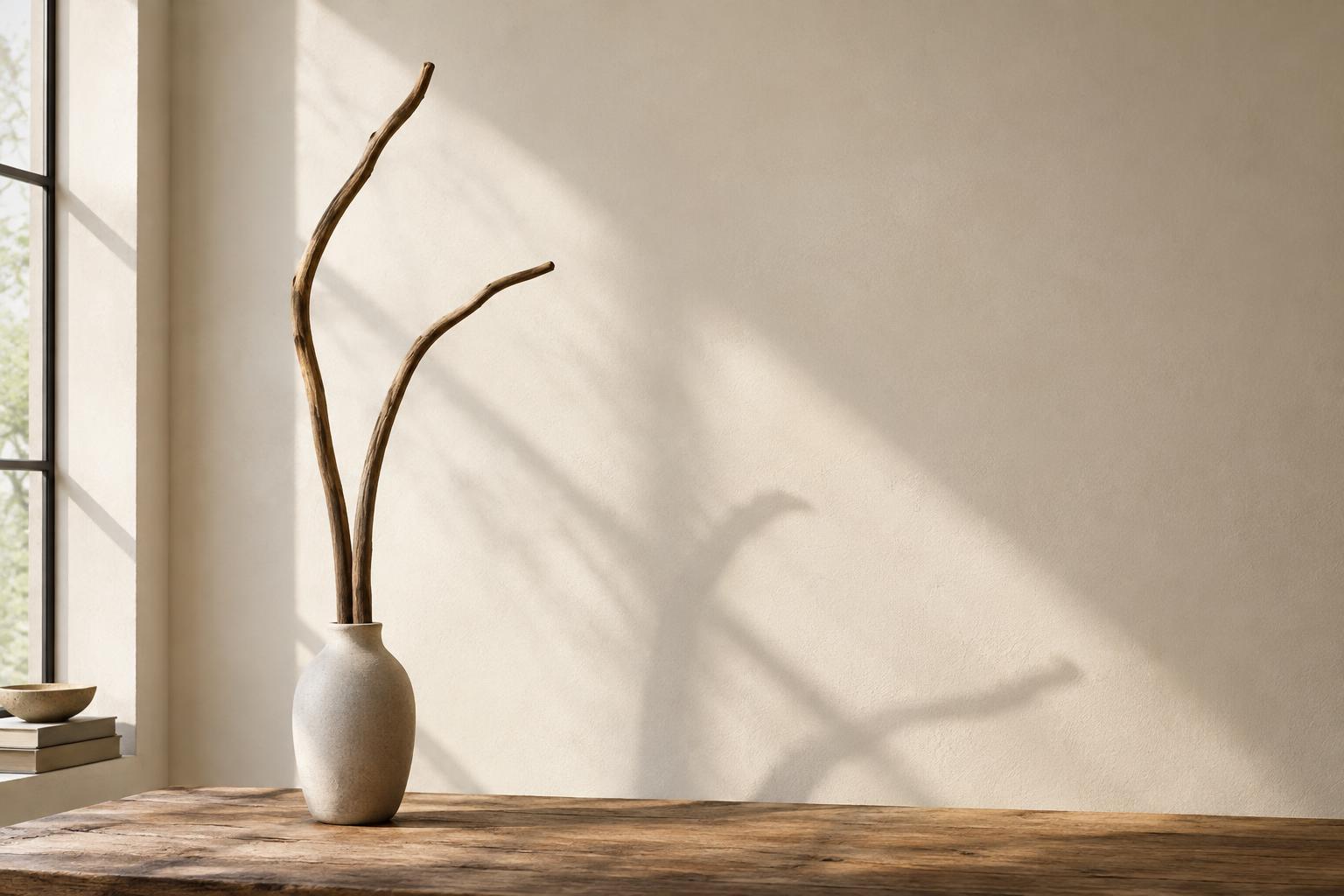
Proportion helps explain why two objects of similar overall size can feel quite different. Imagine two vases of equal height. One has a narrow neck and a broad body; the other has a long neck and a compact body. Their scale in a room might be nearly the same, but their proportions create distinct silhouettes.
The same principle applies to a page. A layout with a wide image and a slim column of text feels different from one that gives image and text equal widths. In a painting, a large area of open sky above a narrow strip of land may create a sense of spaciousness. These effects come from relationships among parts, not from the work’s absolute size.
When assessing proportion, compare visible shapes before reaching for measurements. Does one part dominate? Does another seem compressed? Would changing the margin, the height of a form or the amount of empty space make the whole feel more settled? Measurements can help you repeat a choice, but observation helps you decide whether that choice serves the work.
Where the two ideas meet
Scale and proportion often operate at once. Suppose you hang a framed print above a desk. Its scale concerns the print’s apparent size against the desk, wall and person using the space. Its proportion concerns relationships within the framed object, such as the image’s width relative to its height and the mat’s width relative to the image.
Changing one may affect how you perceive the other. A wider mat increases the framed work’s overall size and changes the proportion of image to border. A small photograph in a very large frame might look substantial on the wall while still appearing delicate within its frame. Naming both relationships makes it easier to understand what you like—or what feels off.
There is no need to force every decision into a formula. A repeated ratio can lend consistency, but variety can be equally useful. The aim is to notice which comparison you are making so you can change the right thing.
A simple way to practice
Choose a familiar arrangement, such as a shelf, a sketch or a page layout. First, assess scale: identify a reference and ask which element appears large or small beside it. Then assess proportion: look within an object or arrangement and compare its parts. Write down one observation for each before making any changes.
Next, try two separate experiments. Change an element’s size or place it in a different context to test scale. Then keep its overall size roughly the same while changing the relationship among its parts to test proportion. For a sketch of a lamp, for example, you might first draw it larger beside a chair. In a second drawing, keep its height but widen its shade.
Compare the results at a glance and from a normal viewing distance. You may find that a design needs a stronger presence in its setting, a better balance among its parts, or both. Thinking in terms of scale and proportion gives you two clear ways to explore the difference.