Choose a place where you can pause
An art-viewing corner is simply a place where you can stop and spend a little time with an artwork. It might be beside a chair in the living room, at the end of a landing or near a dining table. You do not need to set aside a whole room. Start by noticing where you naturally pause during the day, rather than choosing a wall only because it is empty.
Consider the view from where you would sit or stand. Can you see the artwork without turning sharply or looking past a tall lamp, door or screen? Leave enough space to step back and take in the whole piece, then move closer to notice its details. If the spot is part of a busy route through the home, placing the work slightly off that route may make it easier to linger without getting in anyone’s way.
Comfort matters, too. A corner that feels draughty or cramped may not invite a second look, however well the art is placed. If you are thinking more broadly about comfort in the spaces you use at home, you can browse Efektywność budynków · Wytwórnia Energii for related topics.
Let one artwork lead the arrangement
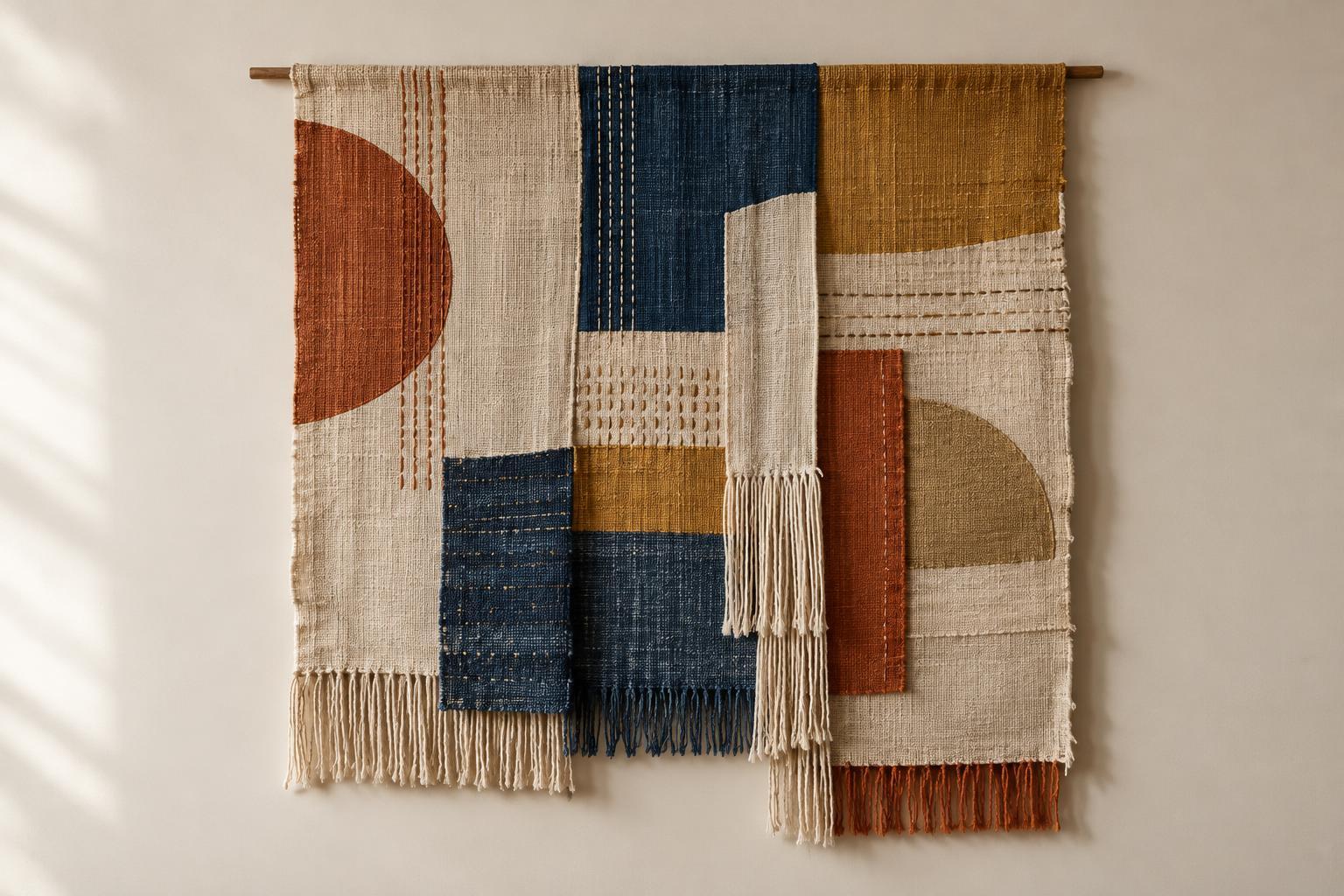
Choose a piece you would like to spend time with. It need not be large or valuable: a drawing, print, photograph or small textile can give a corner a clear focus. Before placing it, ask what makes you want to look again. Perhaps it has fine lines that reward a close view, or broad shapes that become clearer from across the room. Let that quality guide the viewing distance.
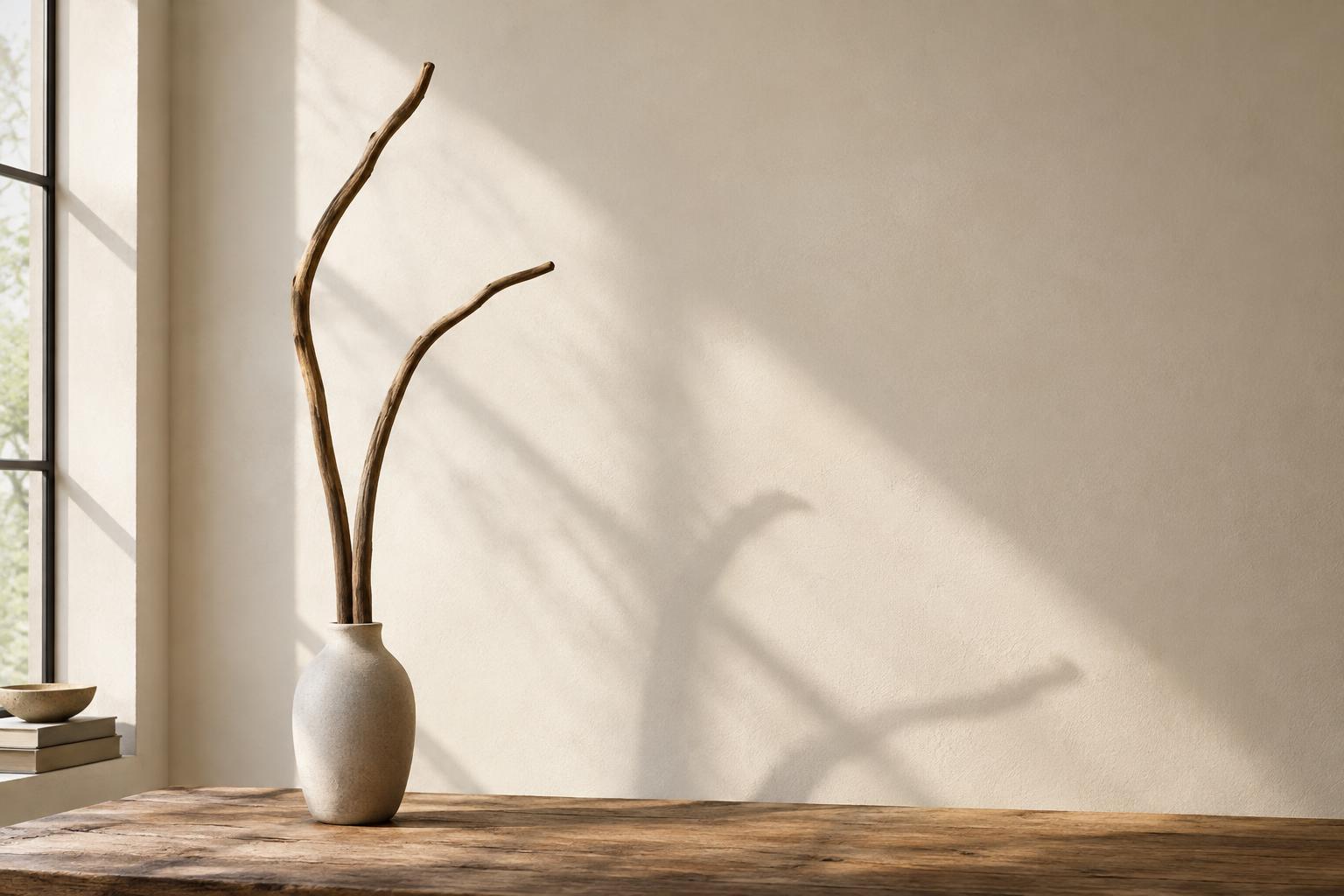
Give the piece enough breathing room to be noticed. A side table, stack of books or plant can make the area feel lived in, but several attention-grabbing objects may compete with the art. Try removing nearby items temporarily and putting back only what serves the space. You may find that a modest work feels more present when its surroundings are simple.
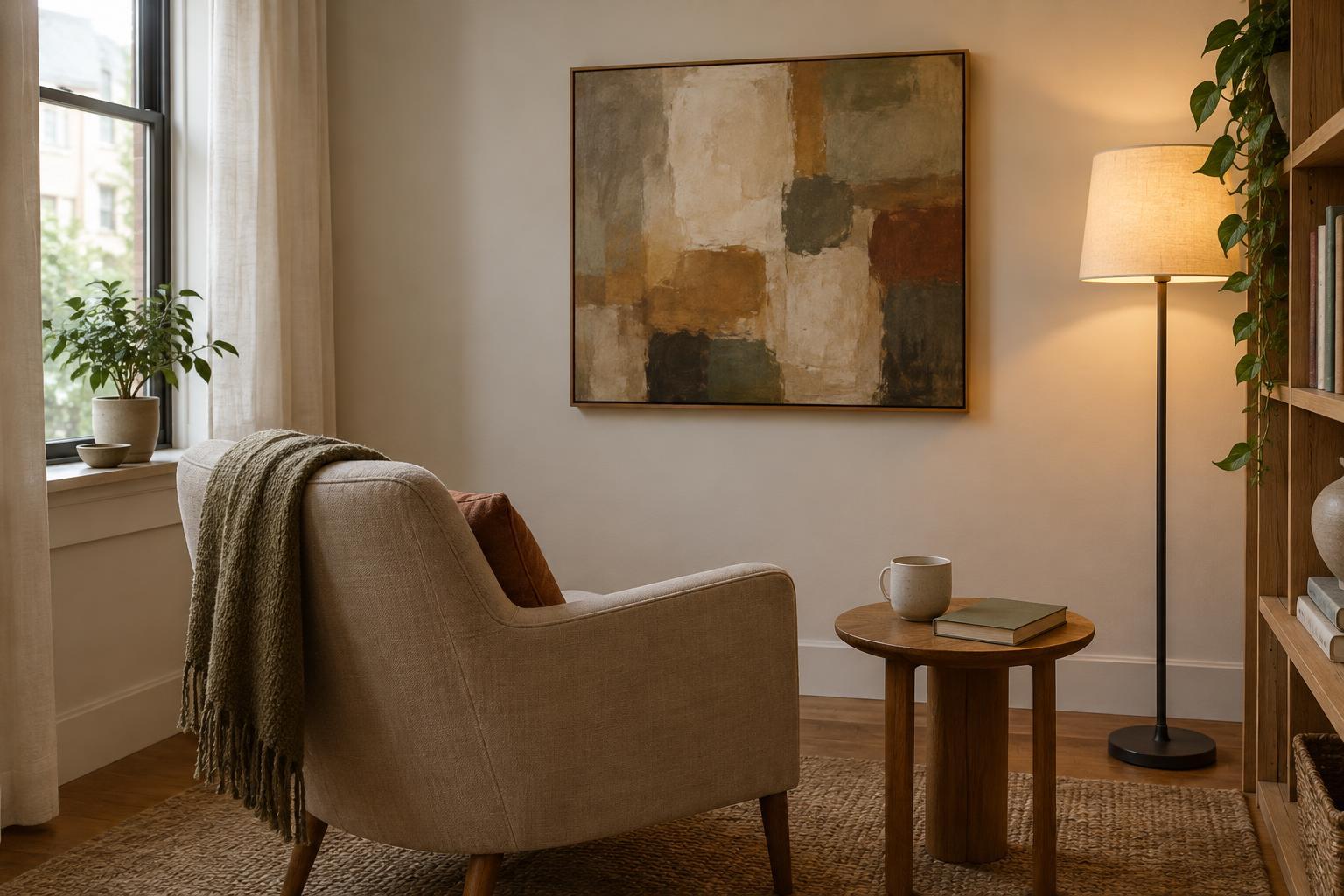
The corner does not have to look like a formal display. A familiar chair and a surface for a cup of tea can make looking at art part of an ordinary routine. If you want to show more than one piece, begin with a small grouping and check how it reads from your usual seat. The aim is not perfect symmetry; it is a view that feels easy to return to.
Balance light with everyday use
Look at the corner at the times you are most likely to use it. Daylight may make colors easy to see in the morning yet leave the artwork in shadow later. A nearby lamp can help, but avoid placing it where its reflection obscures a glazed piece. You can test a position by sitting in the viewing spot and shifting the lamp or artwork until the surface is comfortable to look at.
Be mindful of prolonged direct sunlight, which can affect some materials over time. Moving a light-sensitive piece to a less exposed wall is often simpler than trying to change how you use the room. If you add a lamp, choose one that also helps with an everyday activity, such as reading, so the corner remains useful rather than requiring a separate lighting setup. For further browsing on household energy use, visit Zużycie energii w domu · Wytwórnia Energii.
Light changes the mood of a viewing corner, but brighter is not always better. An even, gentle light may make it easier to notice texture and shape without drawing attention to the light source itself. Check the result from both a seated position and the route past the artwork; a setup that works from one angle may cause glare from another.
Make room for looking, not just displaying
Once the corner is arranged, try using it for a few minutes without doing anything else. Notice where your eye goes first, what you see after a while and whether anything nearby keeps pulling your attention away. These small observations can tell you more than a plan made from across the room. Adjust one thing at a time, such as the chair angle or the objects beside the artwork.
A comfortable viewing corner can change as your interests do. You might swap in another piece occasionally, or keep the same work in place long enough to notice new details. There is no required length of time to spend looking and no correct interpretation to find. The point is to make space in daily life for curiosity: a place where art is not merely something you pass, but something you can pause to enjoy.